Rhedd Fruit Co. · Louisiana River Country

Seeds, Trees
& Rare Plants
from the River Country

An intergenerational farming family from St. James Parish, cultivating rare and heritage plant species on Mississippi River bottomland. We've been perfecting our trade behind the scenes for years. Opening to the public late 2026.

15 years sourcing genetics from across the continent
8+ species categories — fruit trees, citrus, berries, herbs, seeds
270+ growing days per year in Zone 9a

10K+

Years cultivated by
Indigenous peoples

26

U.S. states in its
native range

270+

Growing days
per year

3

Days of shelf life
(that's why you can't buy it)

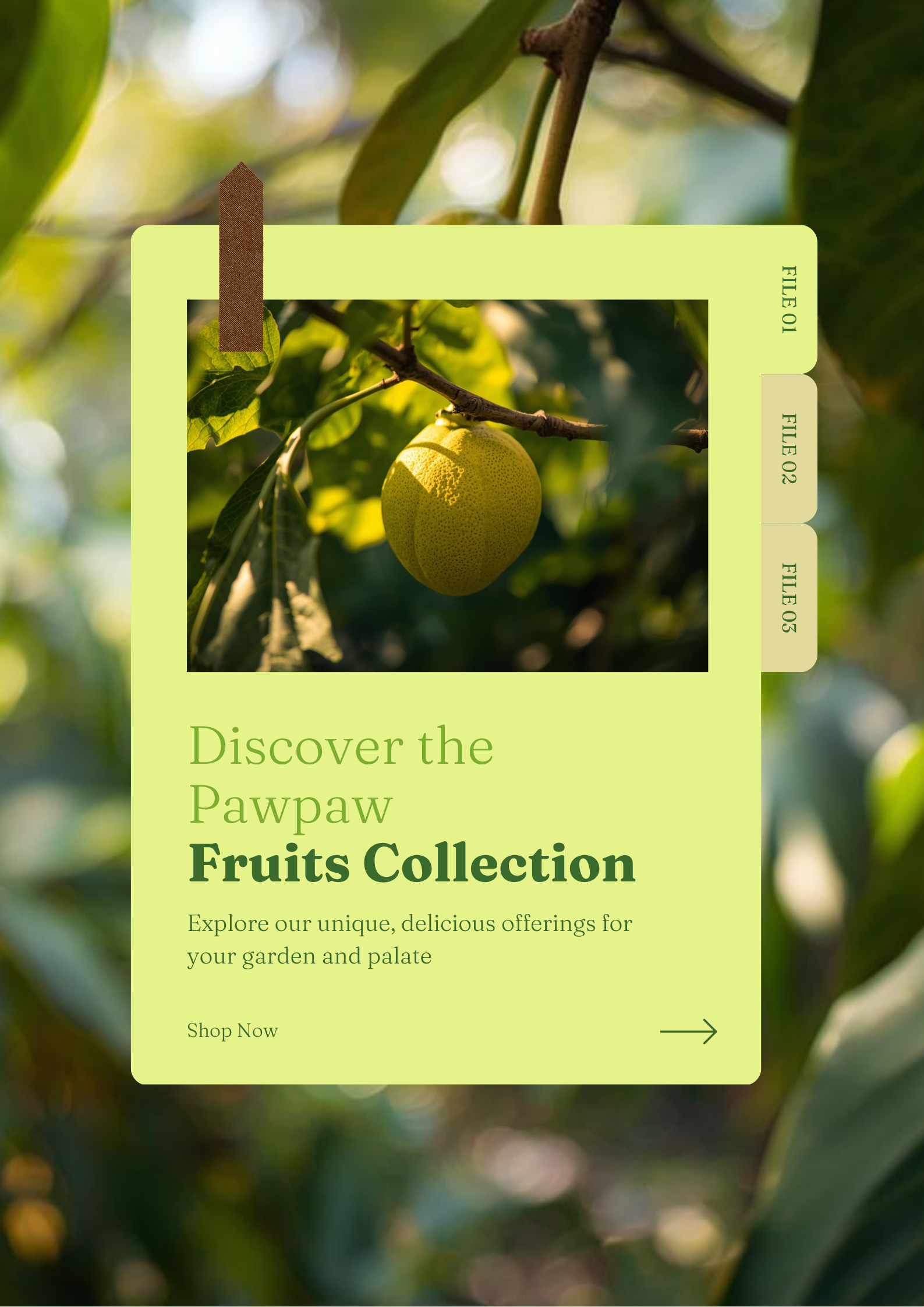
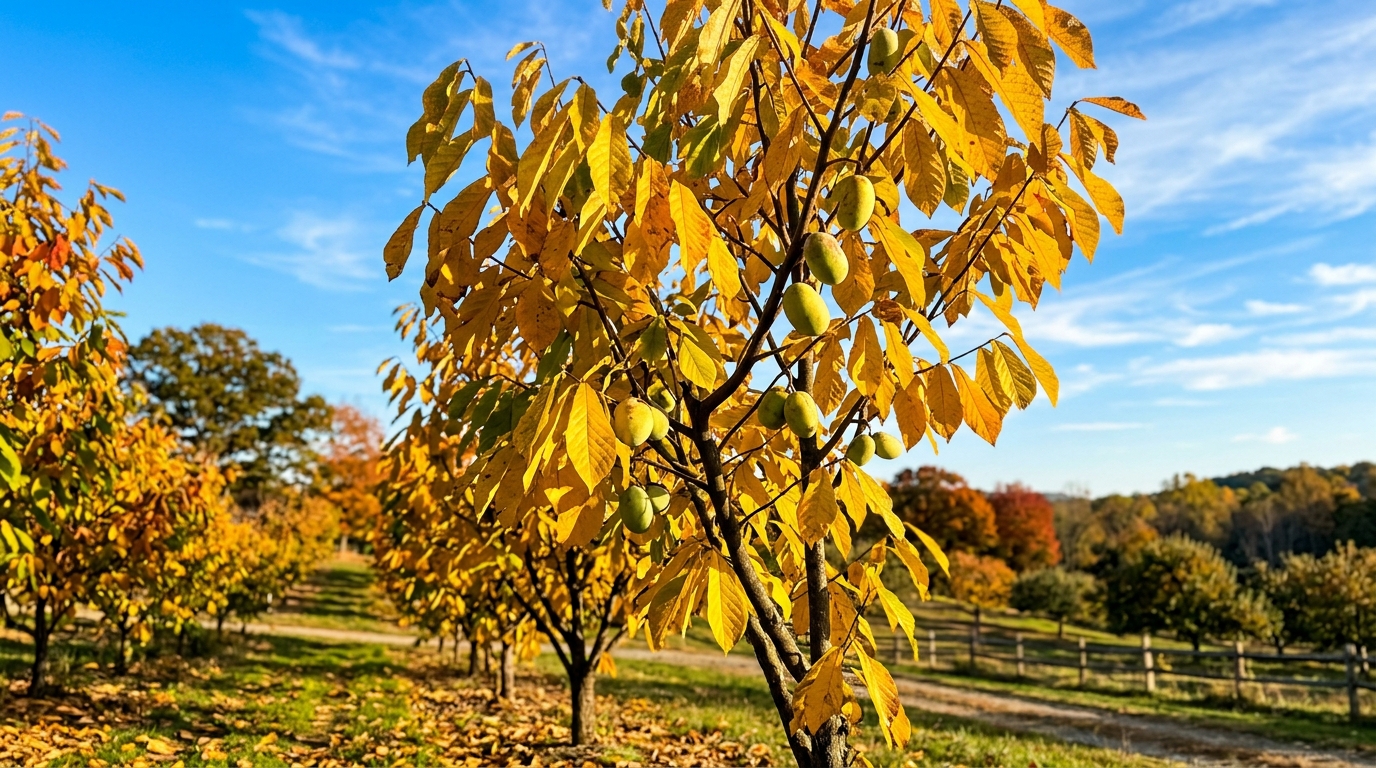
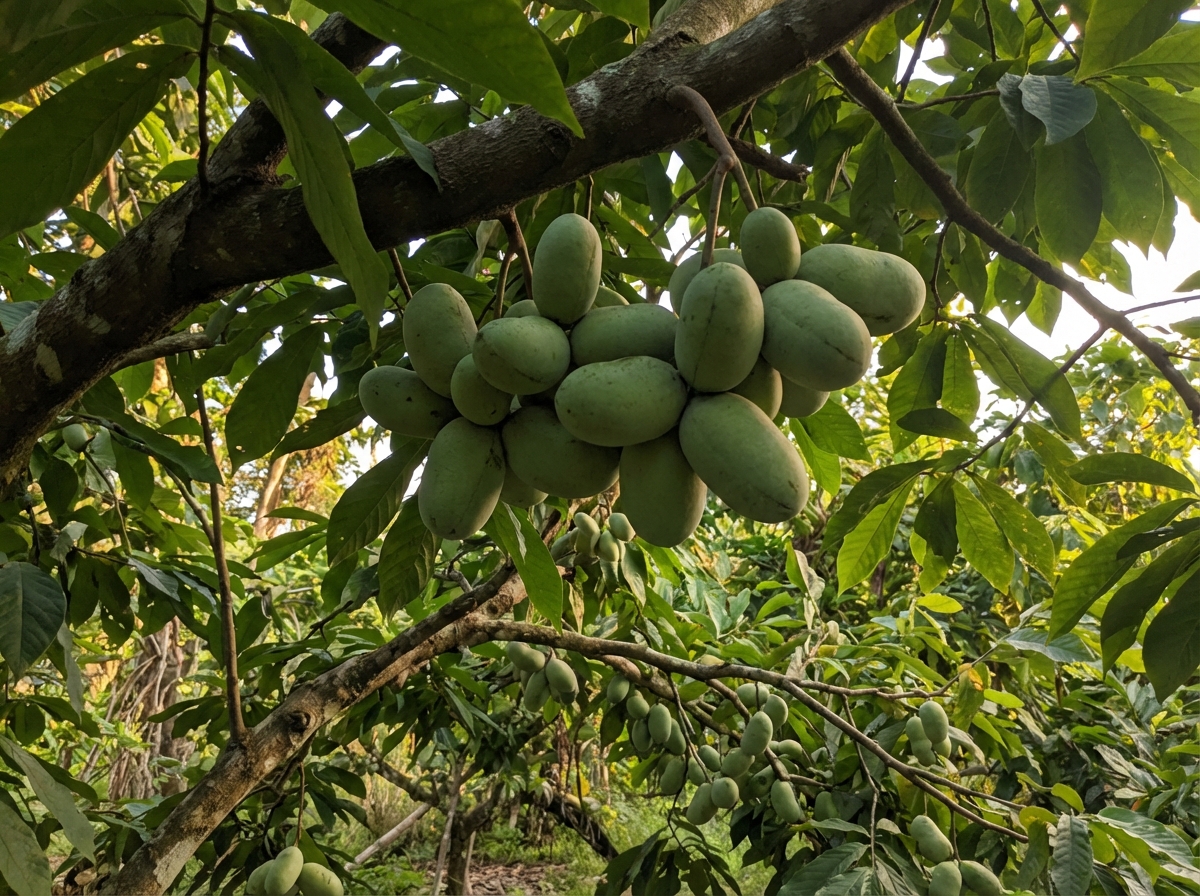
Abundant pawpaw fruit cluster on the tree

The Story

A fruit older than
this country.

Long before Europeans arrived, the pawpaw fed the people of this land. The Algonquin, the Cherokee, the Osage — they cultivated it, traded it, named places after it. The word "Natchitoches" — the oldest settlement in the Louisiana Purchase — means "pawpaw eaters."

When Lewis and Clark ran out of provisions on their expedition west, it was the pawpaw that kept them alive. George Washington ate it chilled for dessert. Thomas Jefferson grew it at Monticello and shipped seeds to France.
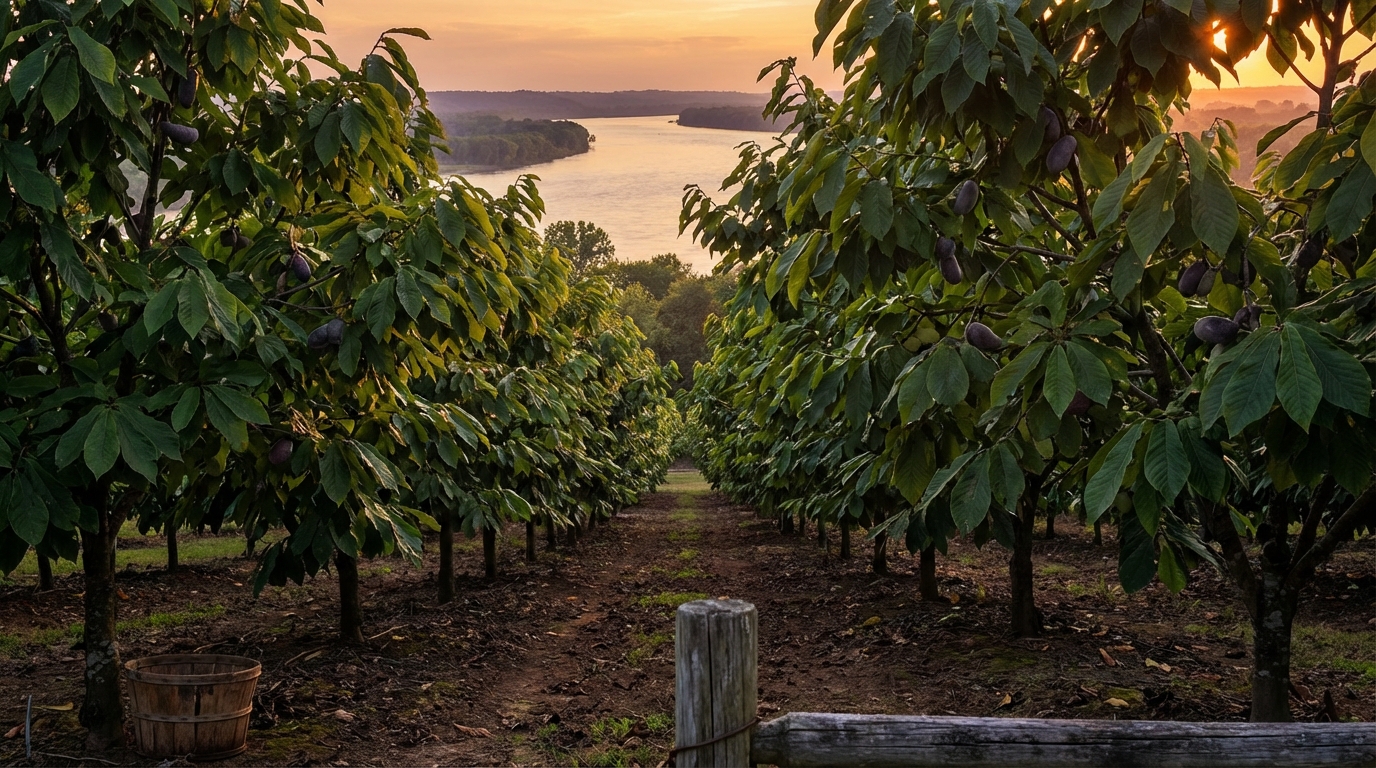
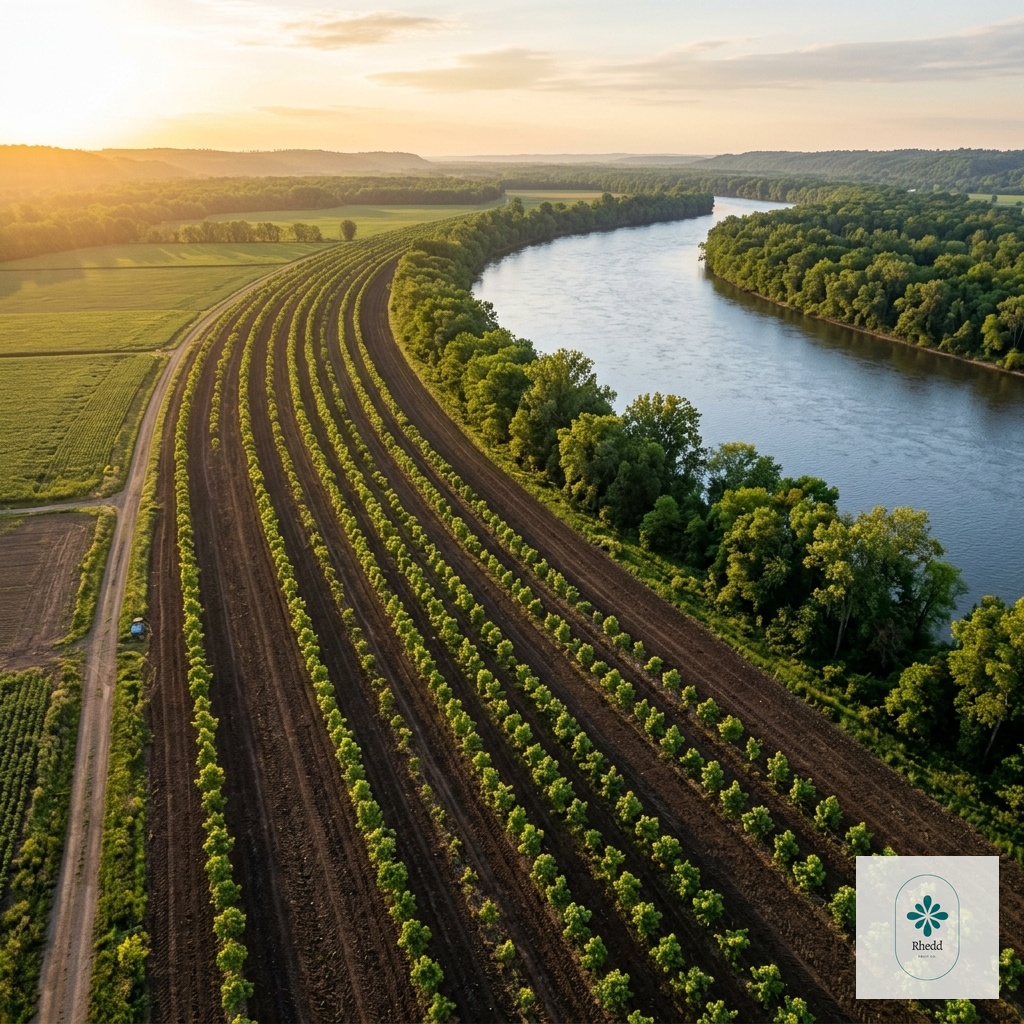
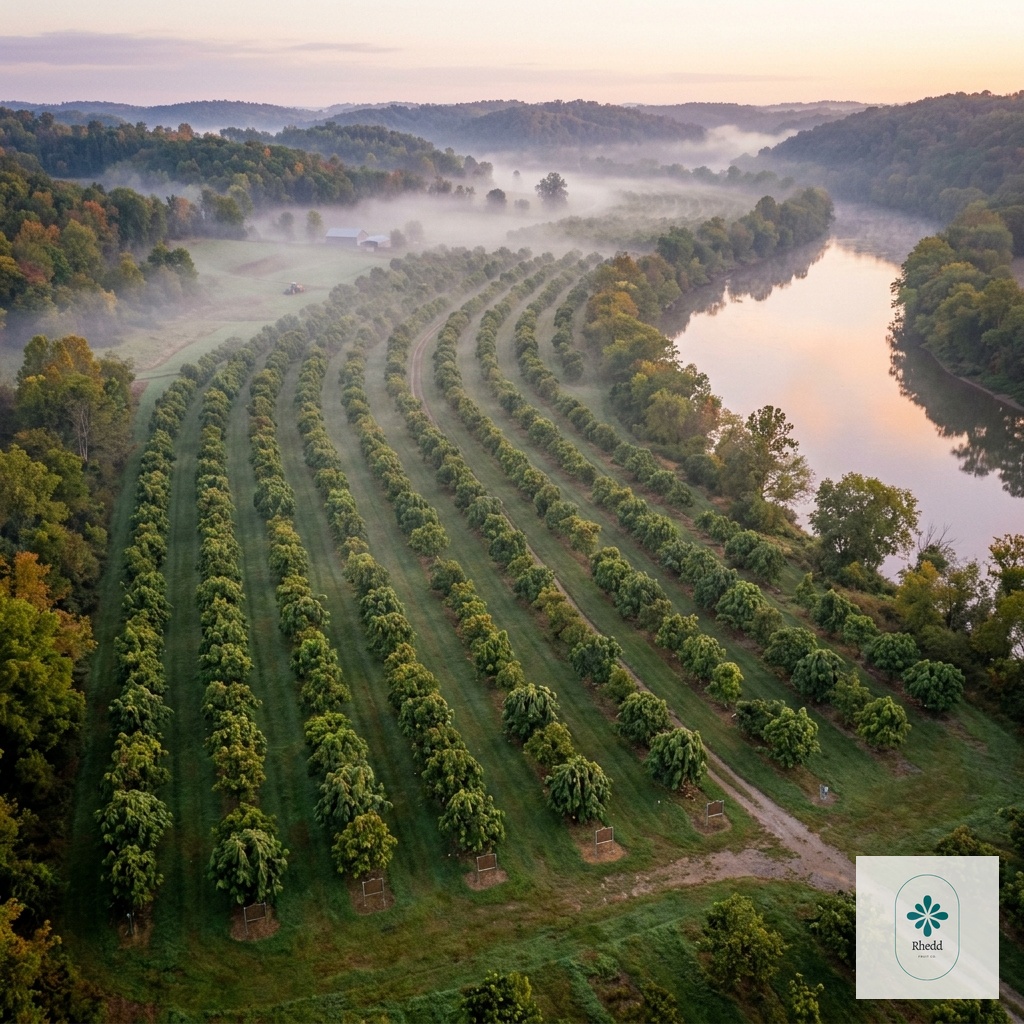
Pawpaw orchard rows along the Mississippi River

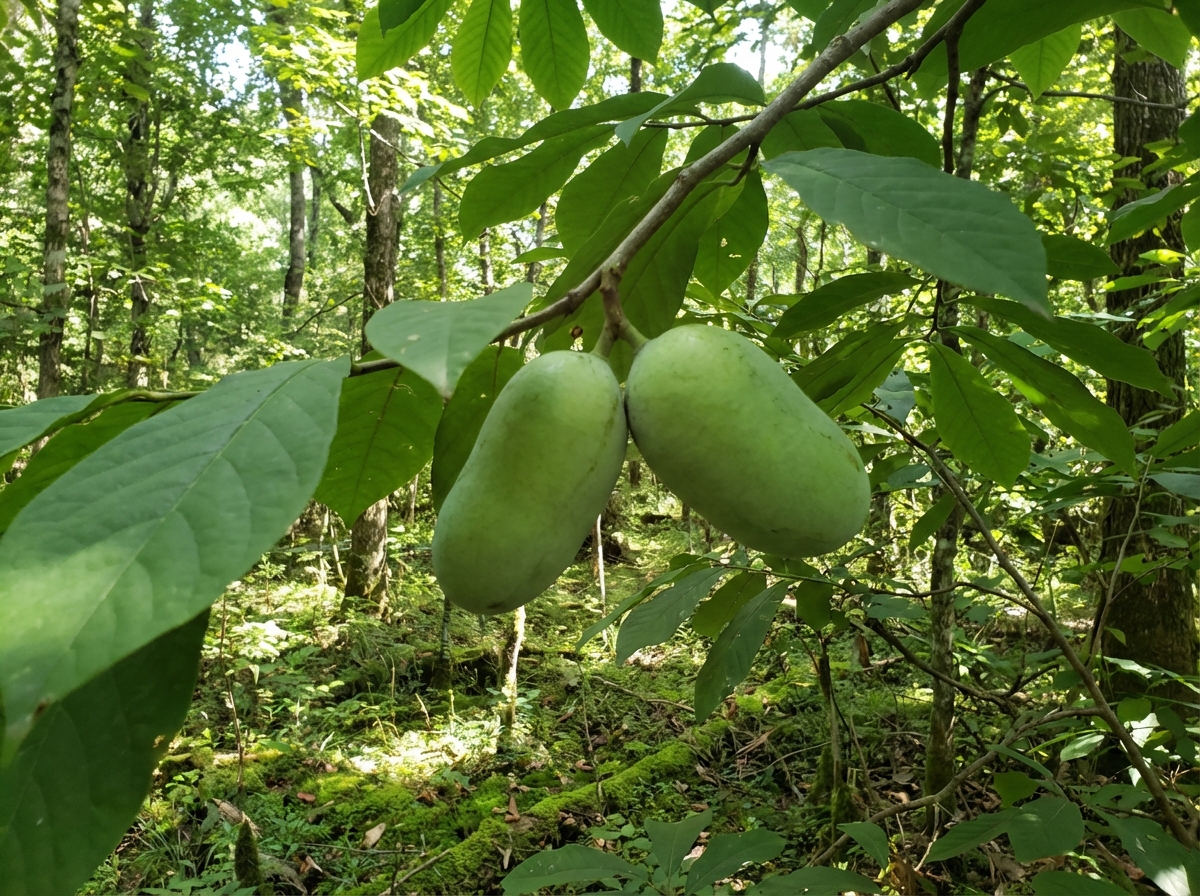
Pawpaw grows in the understory — deep in the shade of taller trees

Then America forgot about it.

Industrial agriculture wanted fruits that could sit in a truck for two weeks. The pawpaw's 3-day shelf life made it worthless to the supply chain. So a fruit that fed a continent for 10,000 years vanished from the American table in a single generation.

We're bringing it back.

From an intergenerational family farm in St. James Parish, Louisiana.
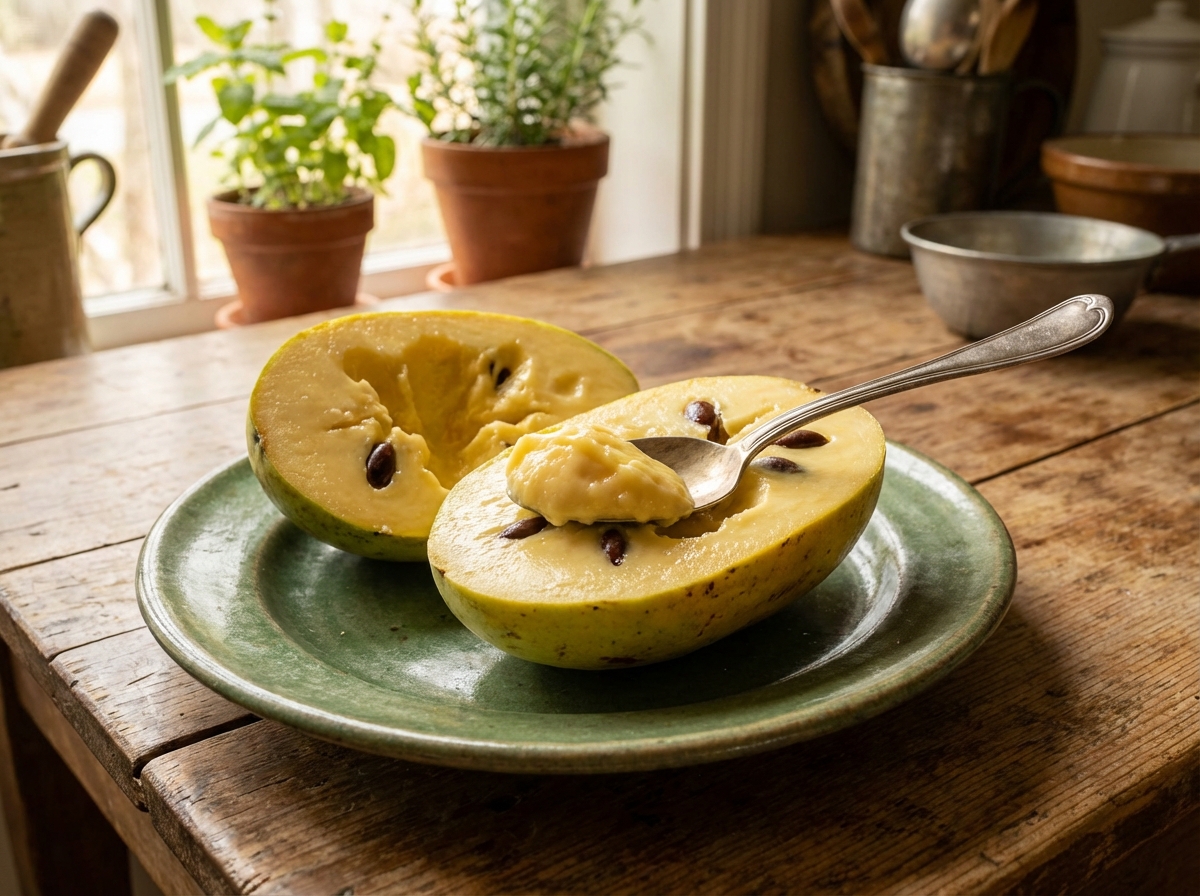
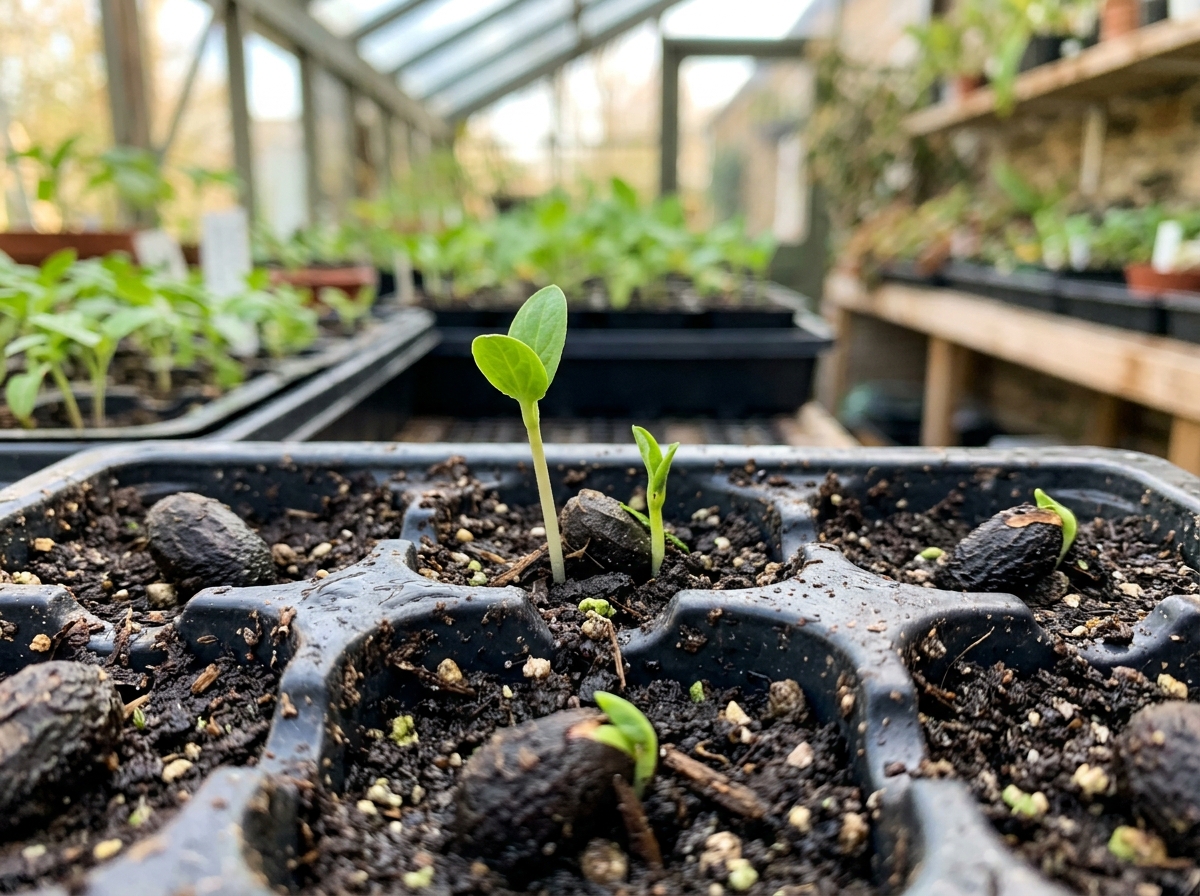
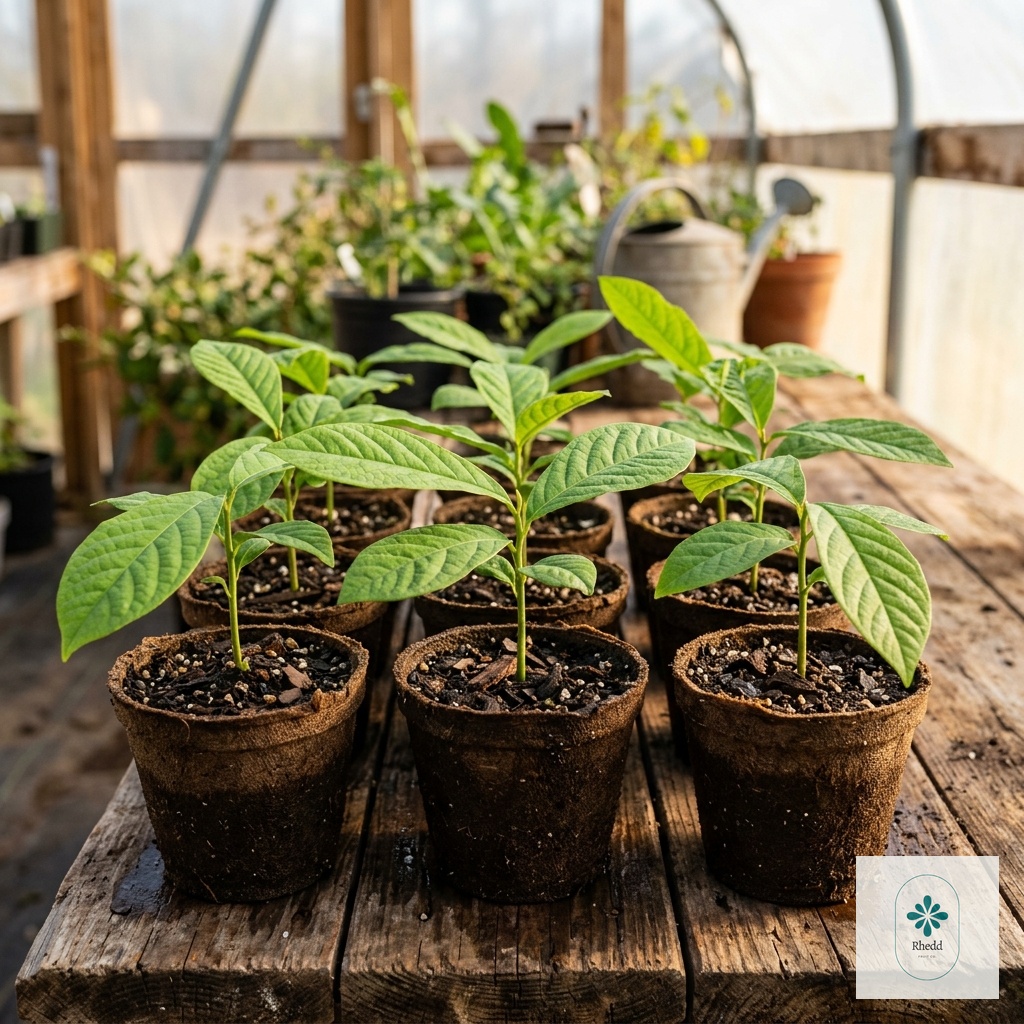
Creamy pawpaw fruit scooped with a spoon Pawpaw seeds sprouting in the nursery
'); background-size: 60px 60px;">
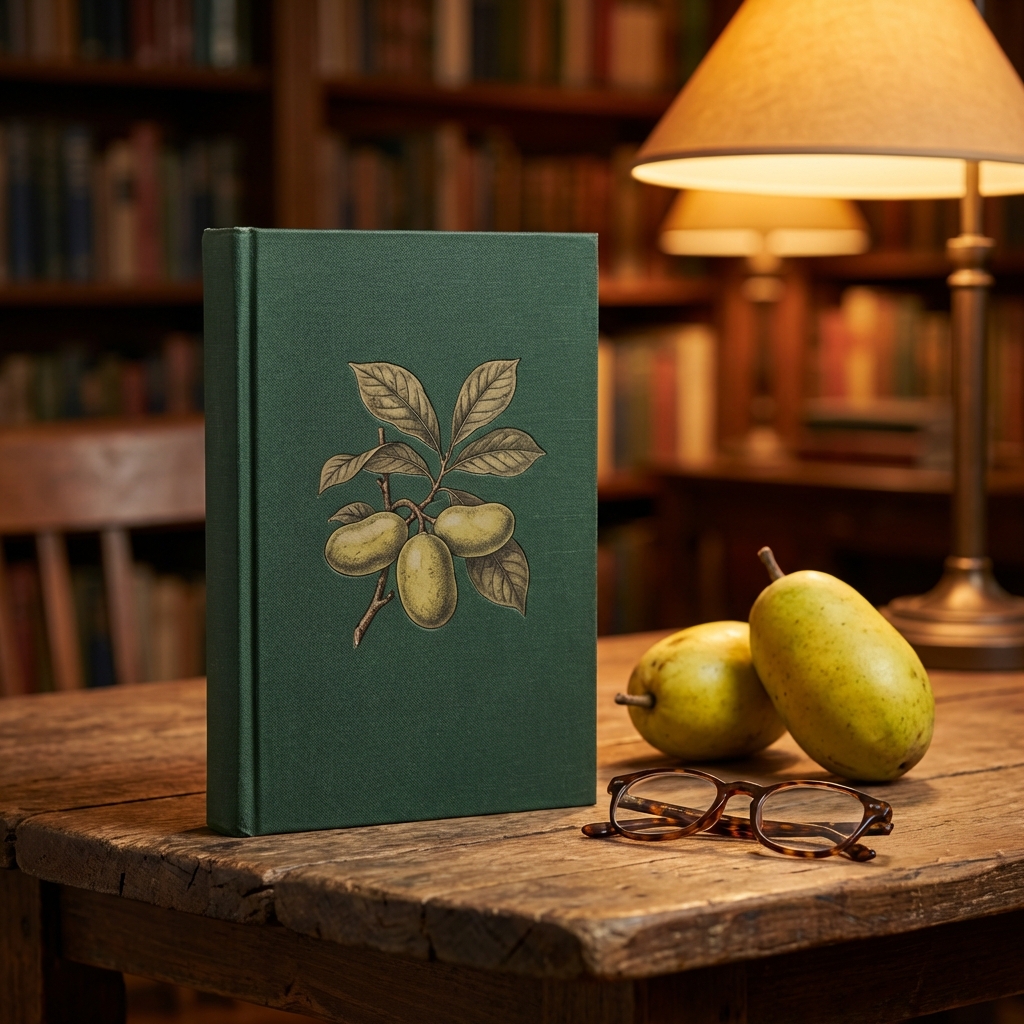
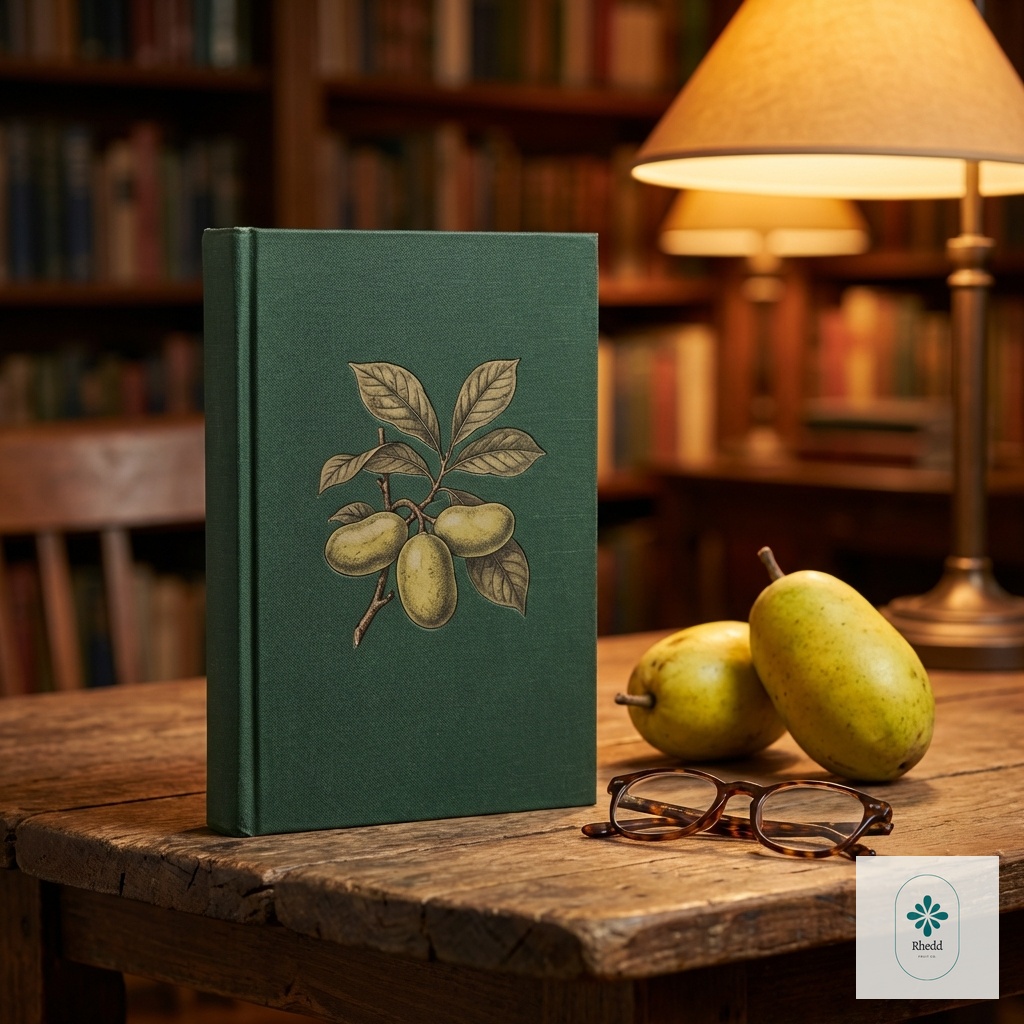
10,000 Years of Pawpaw — the book

The Book

A fruit that fed a continent.
A grower who refused to let it die.

Ten thousand years of cultivation by Indigenous peoples. Two hundred years of American history. Then one generation of industrial agriculture erased it from the national memory. This is the story of the fruit that fed a continent — and the small growers quietly preserving its genetics before they disappear forever.

Part field guide, part cultural history, part manifesto for food sovereignty. Told through the lens of an intergenerational farming family in St. James Parish, Louisiana, where our founder has spent fifteen years sourcing pawpaw genetics from across the continent — from Pacific Northwest forests to Appalachian creek bottoms.

As featured in

The pawpaw is having a cultural moment. From The New York Times to NPR, the fruit is finding a new audience. But the story of the growers — the people quietly preserving these genetics in their backyards — hasn't been told yet.

Get Notified When It Drops Founder's Package Includes Book Dropping Harvest Season 2026. Pre-order now.

History

10,000 years
in 60 seconds.

~8,000 BCE

First cultivated

Indigenous peoples across the eastern woodlands begin cultivating pawpaw. Seeds are found at archaeological sites throughout the Ohio and Mississippi River valleys. The fruit becomes a staple food source.

Pre-Contact

Natchitoches — "The Pawpaw Eaters"

The Natchitoches people of Louisiana give their settlement its name — meaning "pawpaw eaters" or "place of the pawpaw." The oldest permanent settlement in the Louisiana Purchase territory. The fruit grows wild along bayous, river bottoms, and forest understories throughout what would become Acadiana.

1541

First European record

Hernando de Soto's expedition encounters the fruit in the Mississippi River Valley. Spanish chroniclers describe Native Americans cultivating it east of the Mississippi.

1780s

Washington's favorite dessert

George Washington's favorite dessert is chilled pawpaw. Thomas Jefferson plants them at Monticello and ships seeds to friends in France, believing Europe will love the flavor.

September 18, 1806

Lewis & Clark survive on pawpaw

On their return east, the Corps of Discovery runs dangerously low on provisions. They subsist for days on pawpaw fruit gathered along the Missouri River. Clark writes in his journal that the men are "entirely dependent on pawpaws."

X

1900s

America forgets

Industrial agriculture prioritizes fruits that ship well — apples, oranges, bananas. The pawpaw's 3-day shelf life makes it commercially worthless. Within a generation, a fruit that fed a continent for 10,000 years disappears from the American diet.

1990s

The research begins

Kentucky State University establishes the world's only full-time pawpaw research program. Neal Peterson begins breeding named varieties — Shenandoah, Susquehanna, Rappahannock — selecting for flavor, size, and consistency. The pawpaw community starts to grow.

2024–2026

The comeback

The New York Times, PBS, and Washington Post all feature the pawpaw. Nurseries across the country sell out every season. Demand outstrips supply at every level — seeds, seedlings, grafted trees, fresh fruit. Breweries release pawpaw ales. Ice cream makers fight for frozen pulp. The forgotten fruit is being remembered.

2026

Rhedd Fruit Co.

A grower with mature trees heavy with fruit decides it's time. Seeds from the land, sold to people who want to grow something real. Rhedd Fruit Co. launches — and pawpaw is the first harvest.

Native Range

It grows where
America grew.

The pawpaw's native range stretches from the Gulf Coast to the Great Lakes — 26 states, following the river systems that shaped this country.

R Rhedd
Core range (10 states)
Extended range (16 states)
Louisiana — where we're rooted

Gulf to Great Lakes

From Louisiana bayous to Michigan forests

River Valleys

Ohio, Mississippi, Missouri watersheds

Understory Tree

Thrives in shade, deep in the forest

The Fruit

Tropical flavor.
Temperate tree.

Banana-mango custard

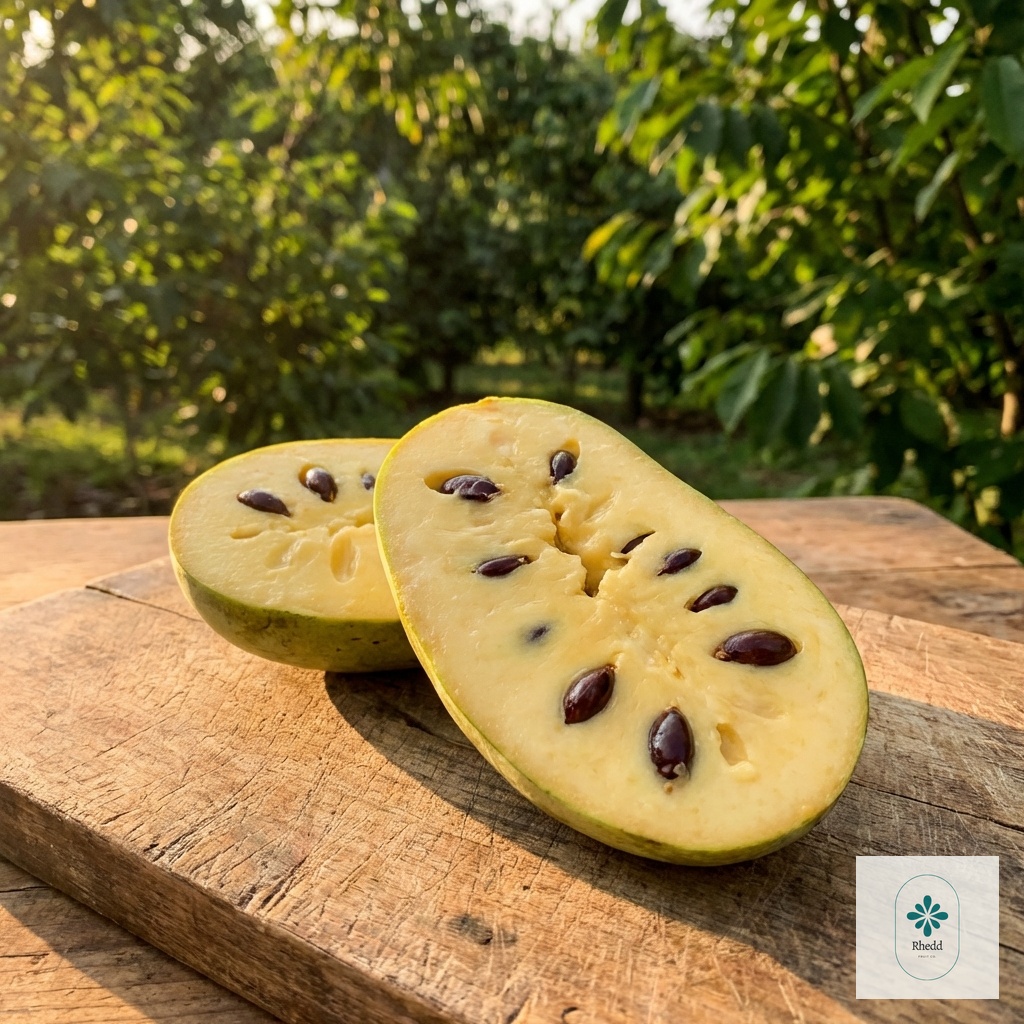
The only temperate member of the tropical custard apple family. Related to cherimoya and soursop. Tastes like nothing else that grows in American soil.

Naturally resilient

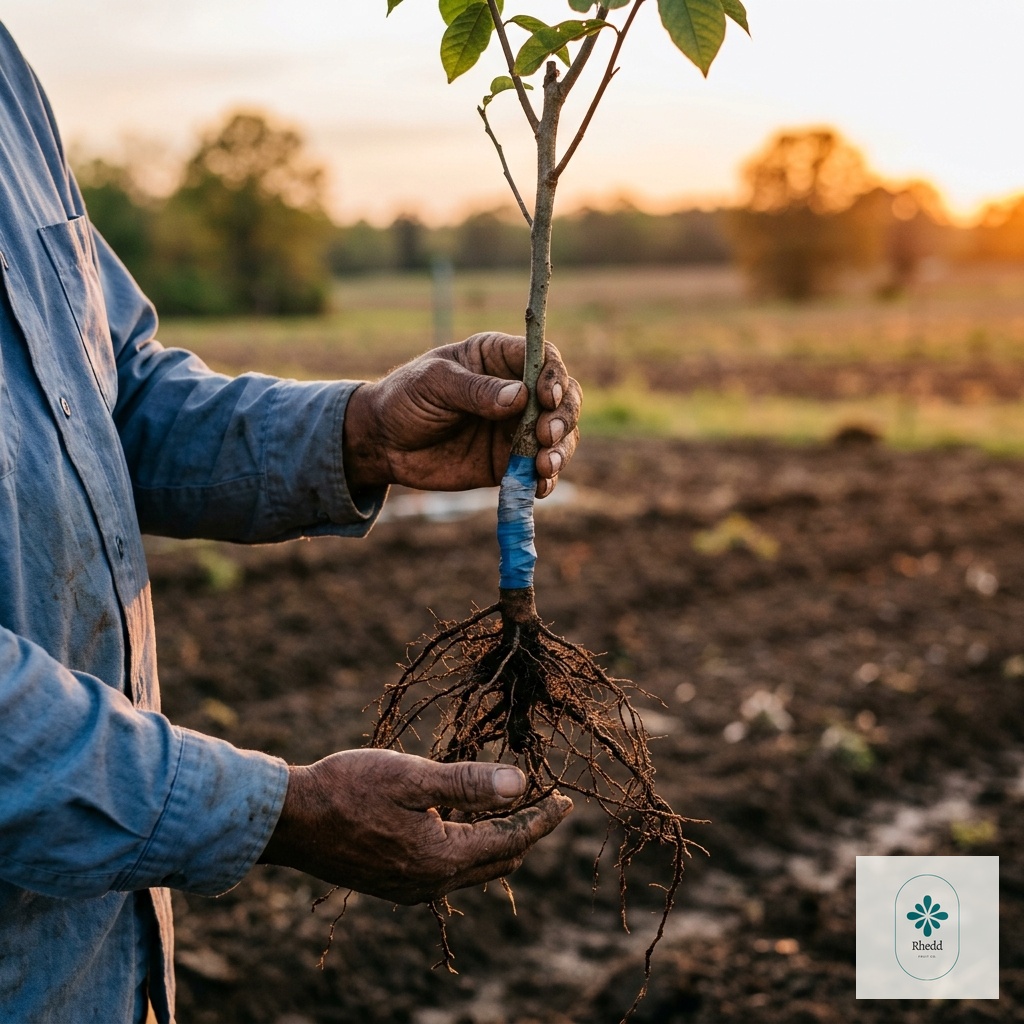
Few pests, few diseases, naturally resistant. Hardy to -20°F. We practice responsible, sustainable land stewardship. Once established, a pawpaw tree produces for decades.

Inherently scarce

3-day shelf life. Cannot be shipped cross-country. Will never be in a grocery store. The only way to taste one is to grow a tree or know someone who does.

Why grow a
pawpaw tree?

1

It's the only way to taste it

There is no store that sells this fruit. Grow the tree and you have something money can't buy.

2

Plant it and walk away

Naturally resistant to most pests and diseases. Low-maintenance once established, producing for decades. The ultimate resilient fruit tree.

3

Food forest essential

Shade-tolerant understory tree. Deep taproots build soil. Supports the zebra swallowtail butterfly. Permaculture's dream plant.

4

Built for what's coming

Climate resilient, thriving in warming conditions. The Washington Post calls it "the rare fruit that's thriving in a warming world."

The Property · St. James Parish, Louisiana

15 acres of Mississippi River bottomland.

Our family has farmed this land for generations. The plots follow the old French arpent system — those long, narrow trapezoids running perpendicular from the Mississippi River, carved so that every landowner gets river access and a share of the richest alluvial soil on earth. This is how Louisiana was divided before it was a state.

Thousands of years of Mississippi River flooding built the soil we farm. Rich, deep, dark, mineral-dense. The property sits in St. James Parish where bayou meets river bottom, and the natural understory is already semi-tropical. Zone 9a gives us 270+ growing days, mild winters, and the subtropical humidity that our plants thrive in.

We've been working this land behind the scenes for years — perfecting our trade, expanding our genetics, building something worth opening to the world. Late 2026, we go public.

6 AM 12 PM 6 PM

14+ hours of summer sunlight

Zone 9a • 270+ growing days per year

The Farm — Sun & Shadow Study

How light moves across Brian's 15-acre French arpent on the Mississippi River meander
30.05°N, 90.85°W Zone 9a St. James Parish, LA
Time of Day
10:00 AM
Alt 62° • Az 97°
Season
MISSISSIPPI RIVER RIVER FRONTAGE — ~400 FT ROAD FRONTAGE — ~350 FT ~2,000 FT DEPTH PROPAGATION Greenhouse COLD STORAGE FARMSTEAD BREWERY PLANNED 2028 PAWPAW GROVE 2 acres • Flagship crop CITRUS BLOCK 1 acre FIGS 0.5 ac BERRY ROWS 1 acre HERB GARDEN 0.25 ac SEED NURSERY 0.5 ac RIVER ROAD 100 ft N S W E
6:05 AM
Sunrise
8:12 PM
Sunset
14h 07m
Daylight
62°
Altitude
97°
Azimuth
1.2×
Shadow
Pawpaw 2 ac
Citrus 1 ac
Figs 0.5 ac
Berries 1 ac
Herbs 0.25 ac
Seeds 0.5 ac
Propagation
Storage
Brewery 2028
River

French arpent lot on a Mississippi River meander • ~400 ft river frontage tapering inland • 15 acres total, 6 under cultivation • Solar calculations for 30.05°N latitude (St. James Parish)

The Growth Plan

2026
Launch Year

Pawpaw seeds, seedlings, fresh fruit. First online sales. The book drops.

2027
Expand

Citrus, figs, berries, herbs. Open nursery for local pickup. Kitchen products launch.

2028
Full Operations

Seed bank operational. Nut trees, medicinals. Wholesale. Break ground on the farmstead brewery.

2029
The Brewery

Pawpaw cider, fruit wines, small-batch spirits. Taproom on the river.

2030+
The Vision

A living seed library, farmstead brewery, and agritourism destination for the Gulf South.

The Expanded Vision

Pawpaw was just the beginning.

For years, our family has been working behind the scenes — cultivating dozens of rare, heritage, and high-value plant species on our St. James Parish land. What started as an intergenerational tradition became a vision: build a full seed bank and nursery that preserves rare genetics, supports food sovereignty, and proves that one family farm can feed an entire regional economy. Opening to the public late 2026.

Native Fruit Trees

Native Fruit Trees

Pawpaw, Persimmon, Mayhaw, Muscadine

Coming 2027
Citrus

Citrus

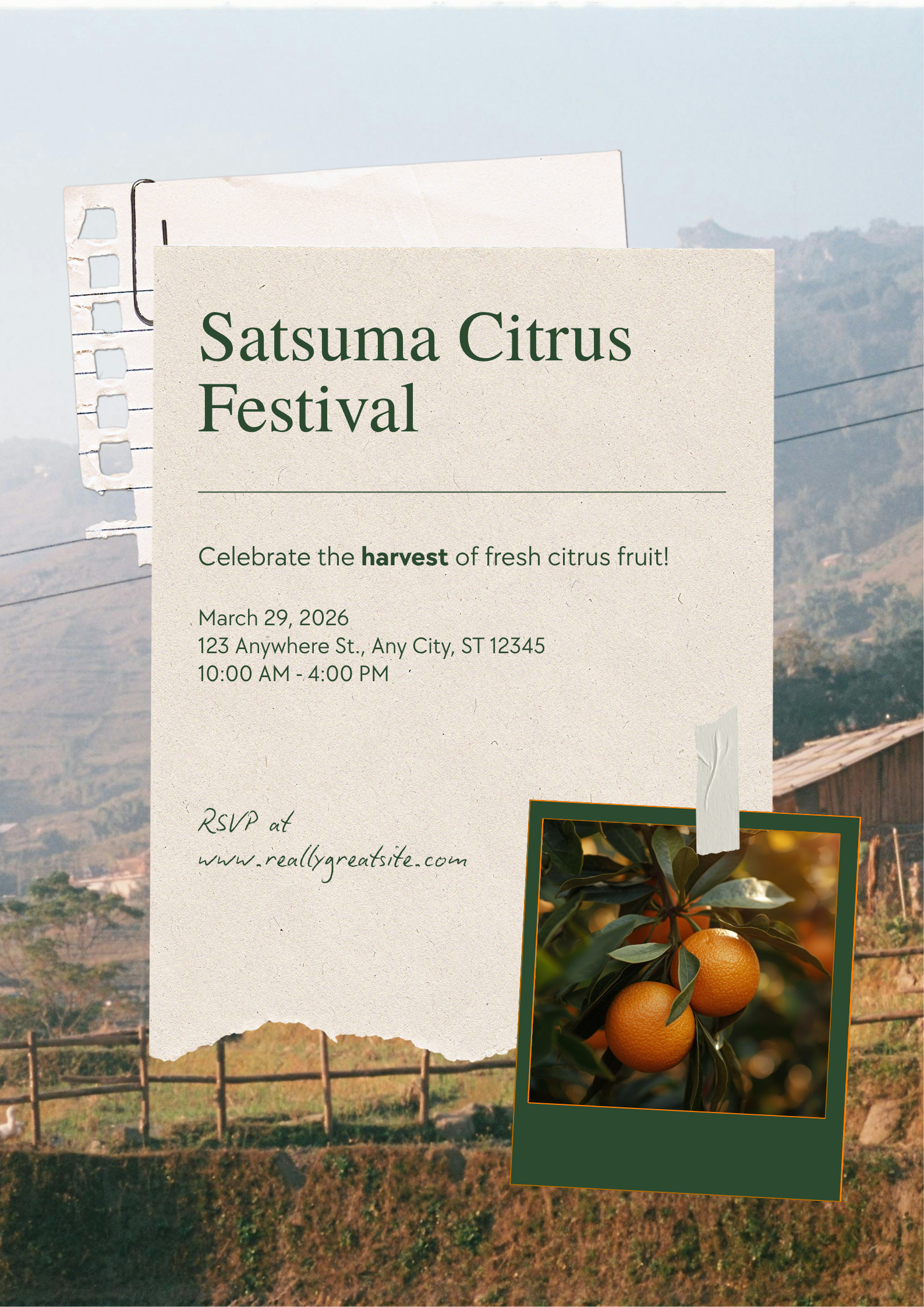
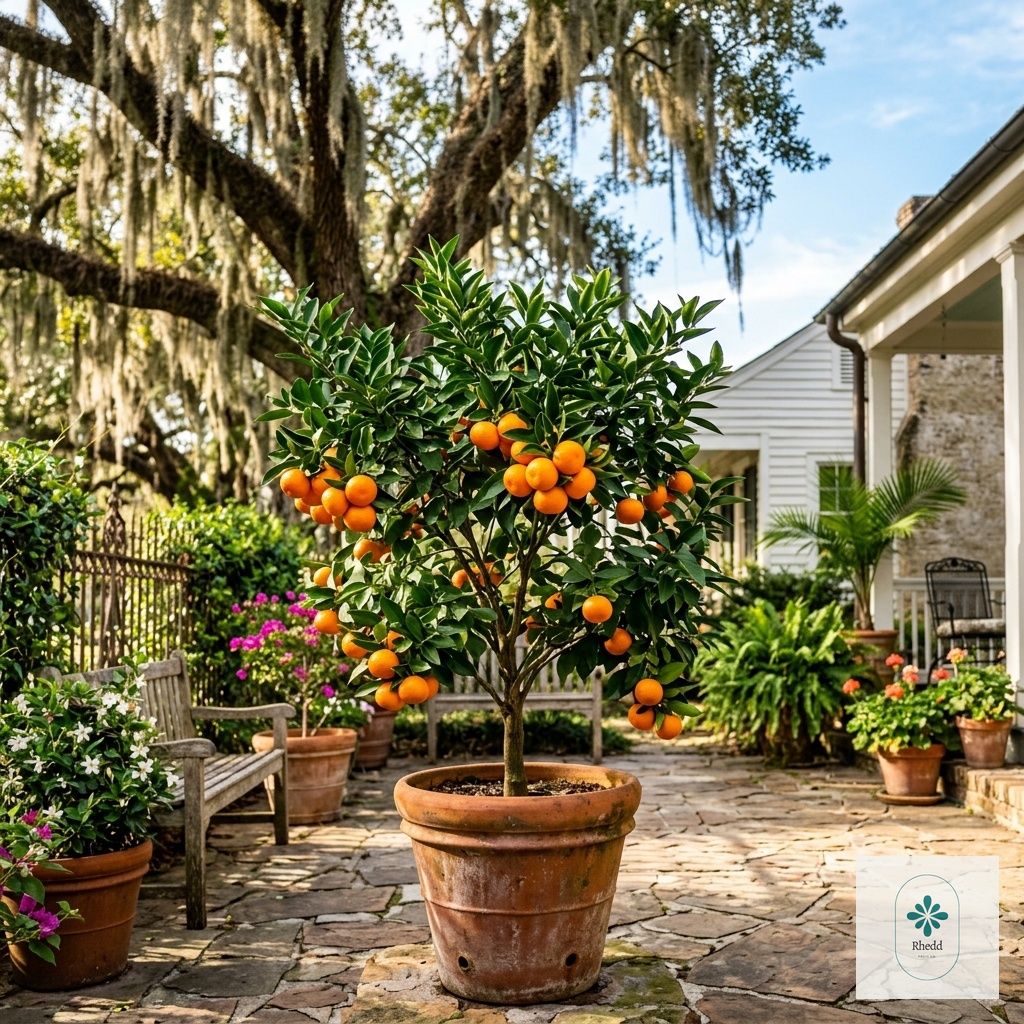
Satsuma, Meyer Lemon, Kumquat

Coming 2027
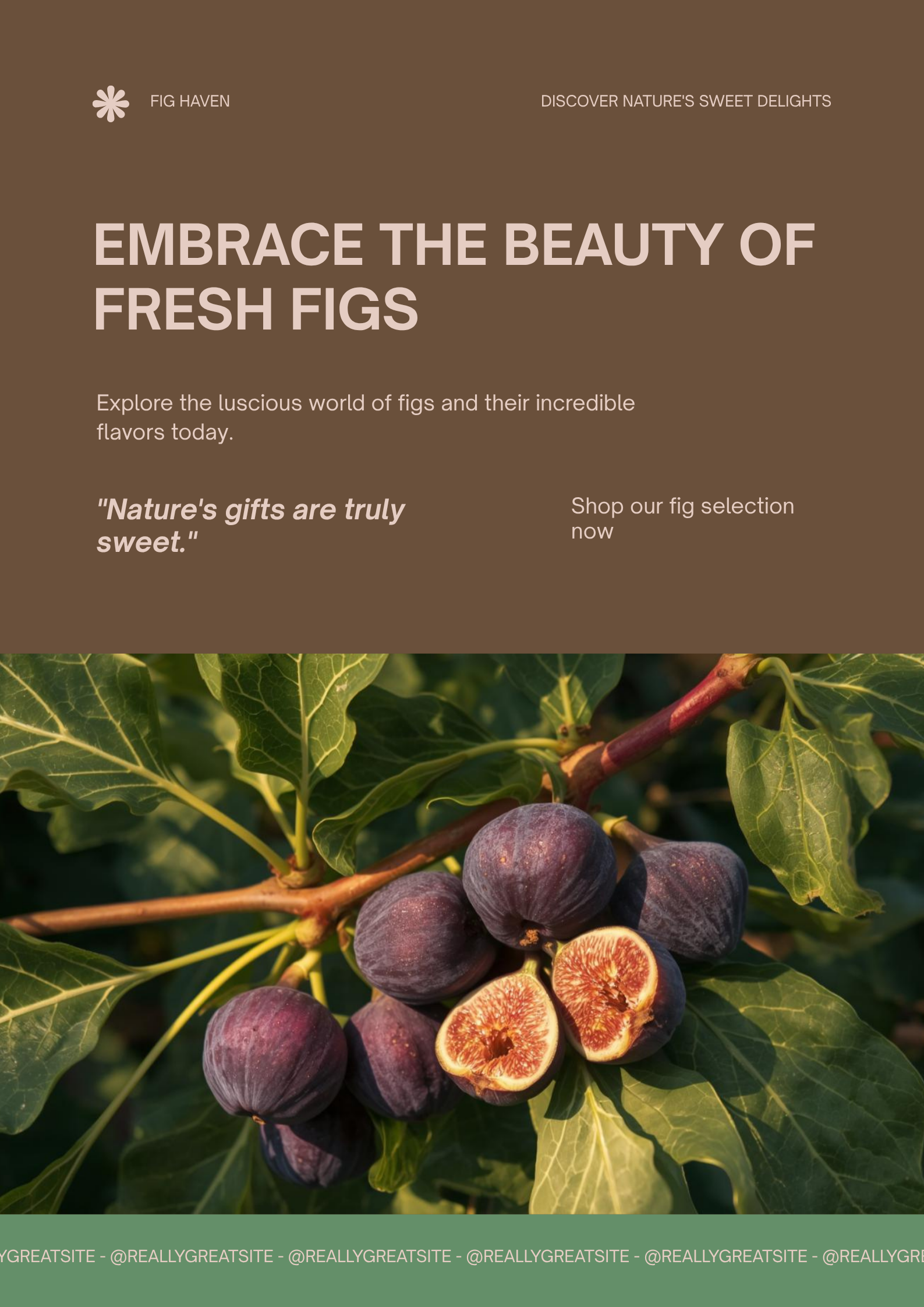
Figs

Figs

Celeste, LSU Purple, Brown Turkey

Coming 2027
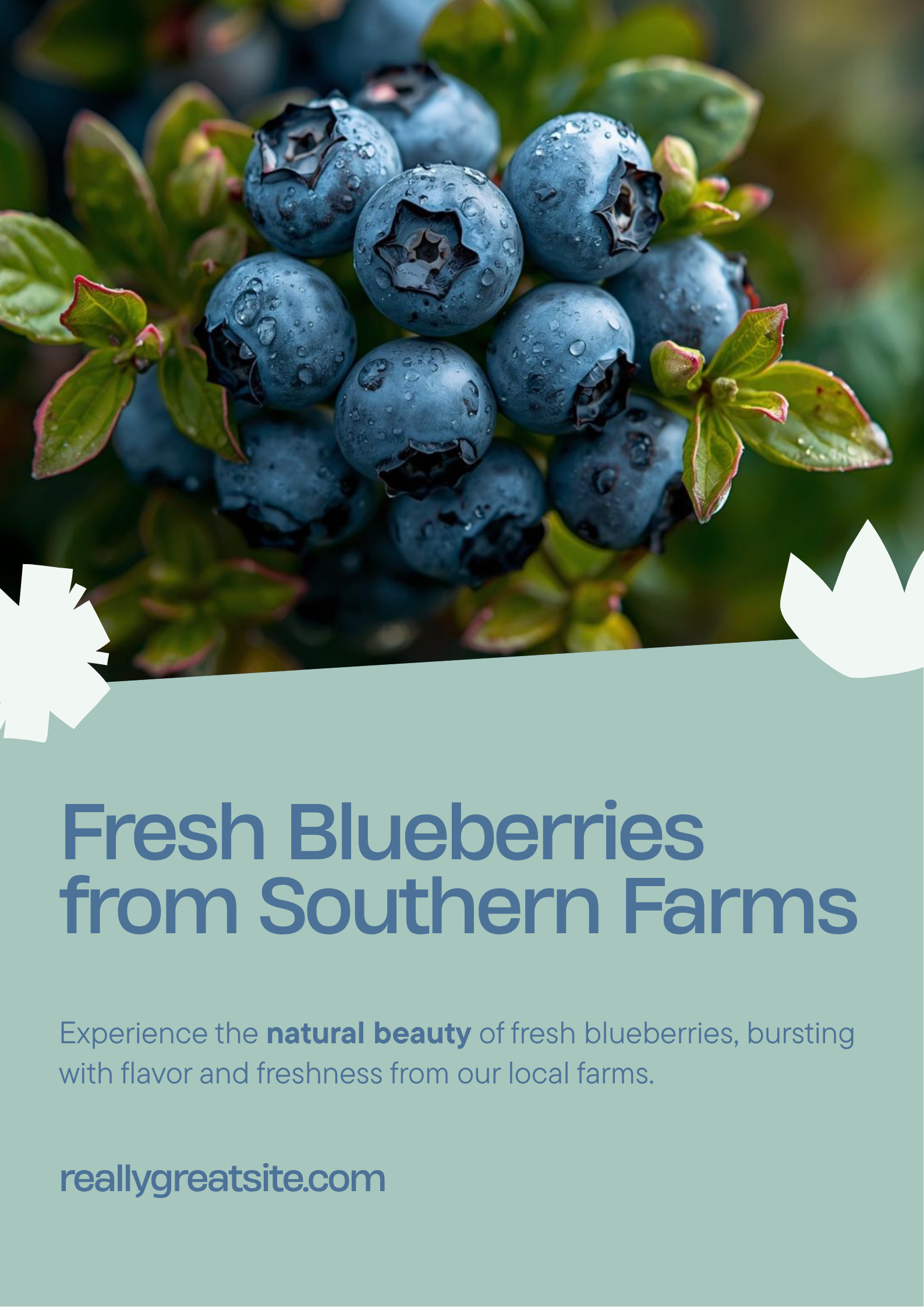
Berries

Berries

Blueberry, Blackberry, Strawberry

Coming 2027
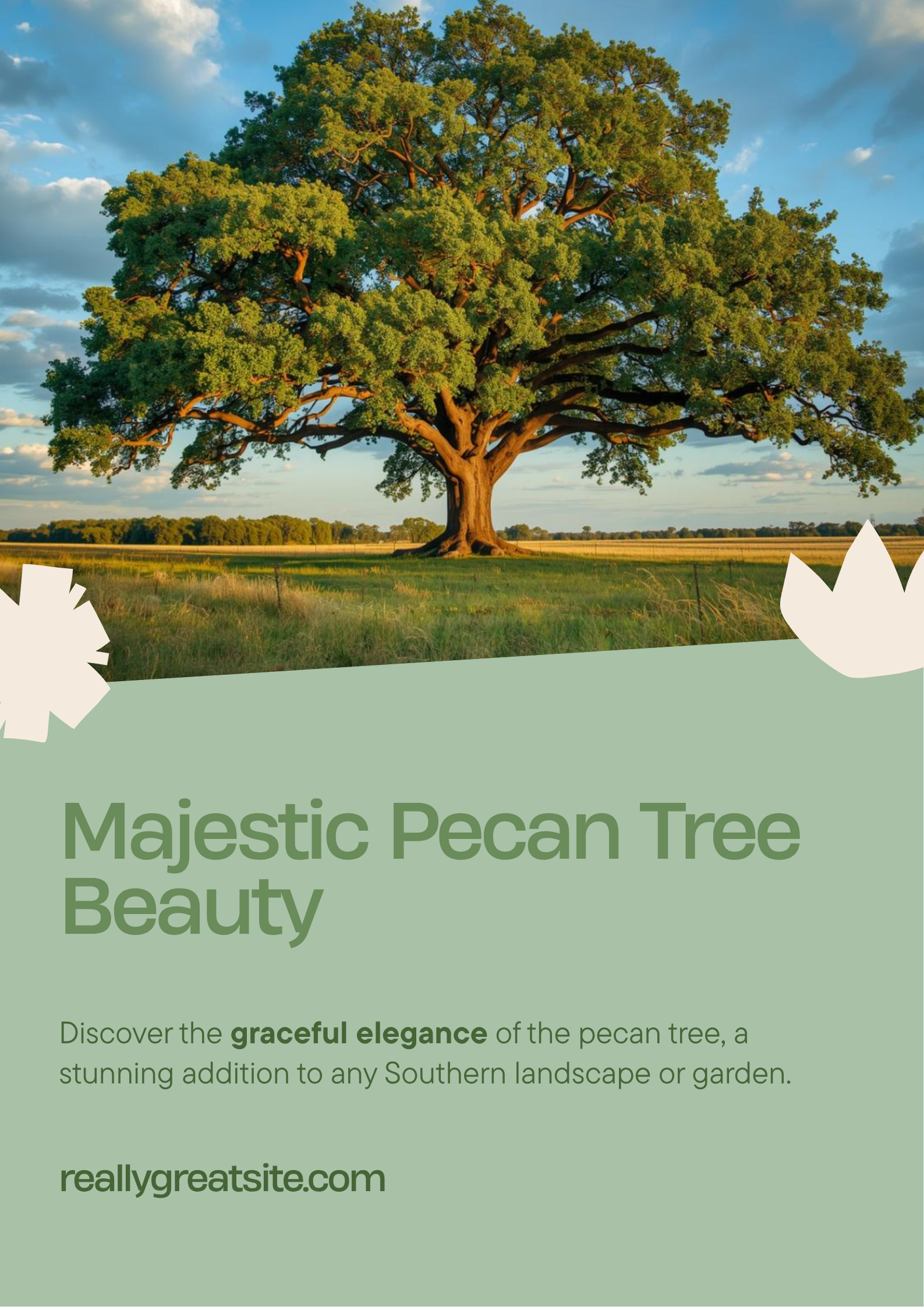
Nut Trees

Nut Trees

Pecan, Black Walnut, Chinquapin

Coming 2027
Herbs & Medicinals

Herbs & Medicinals

Ginseng, Goldenseal, Lavender, Culinary herbs

Coming 2027
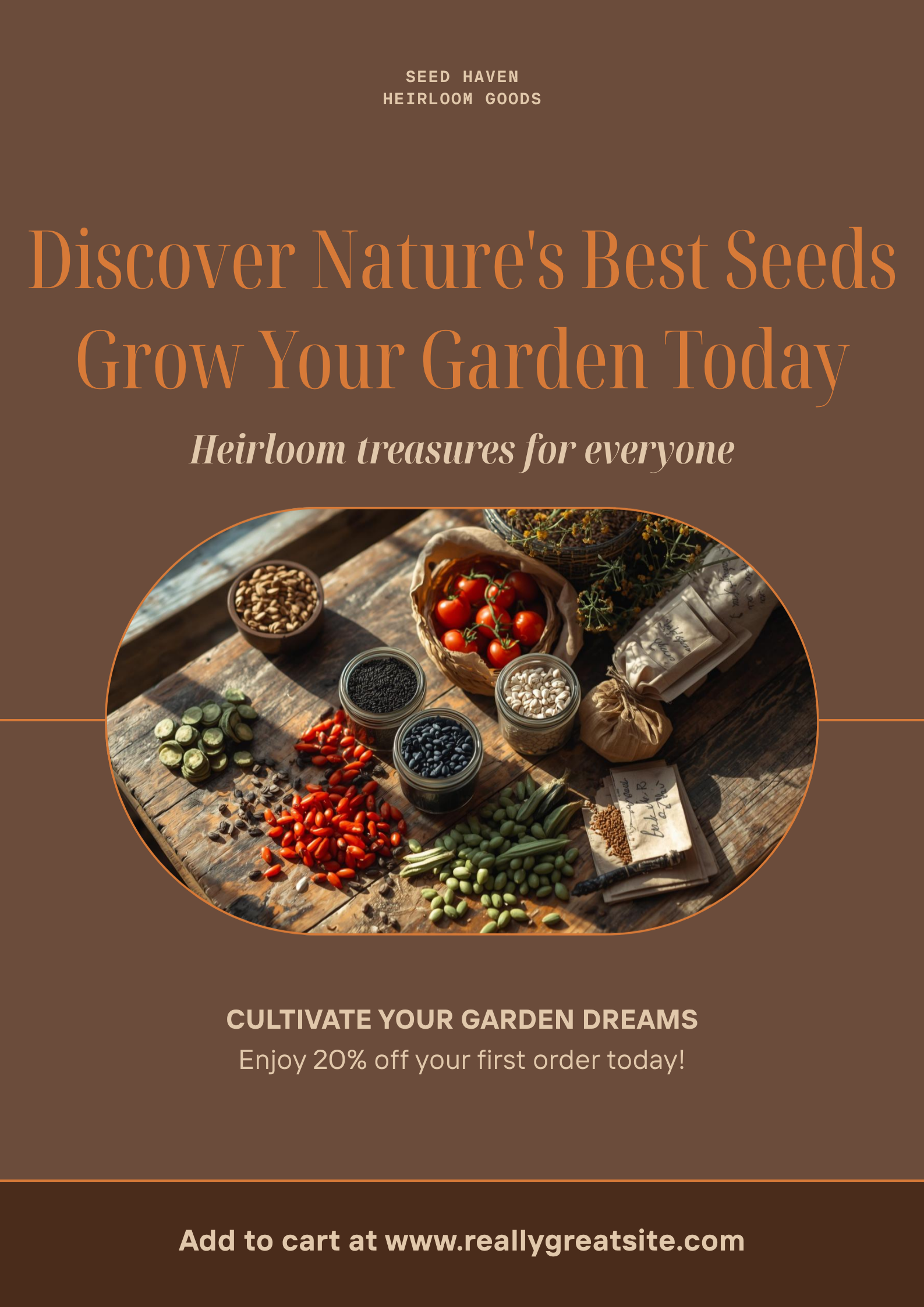
Heirloom Seeds

Heirloom Seeds

Hot peppers, Tomatoes, Okra

Coming 2027
Ornamentals

Ornamentals

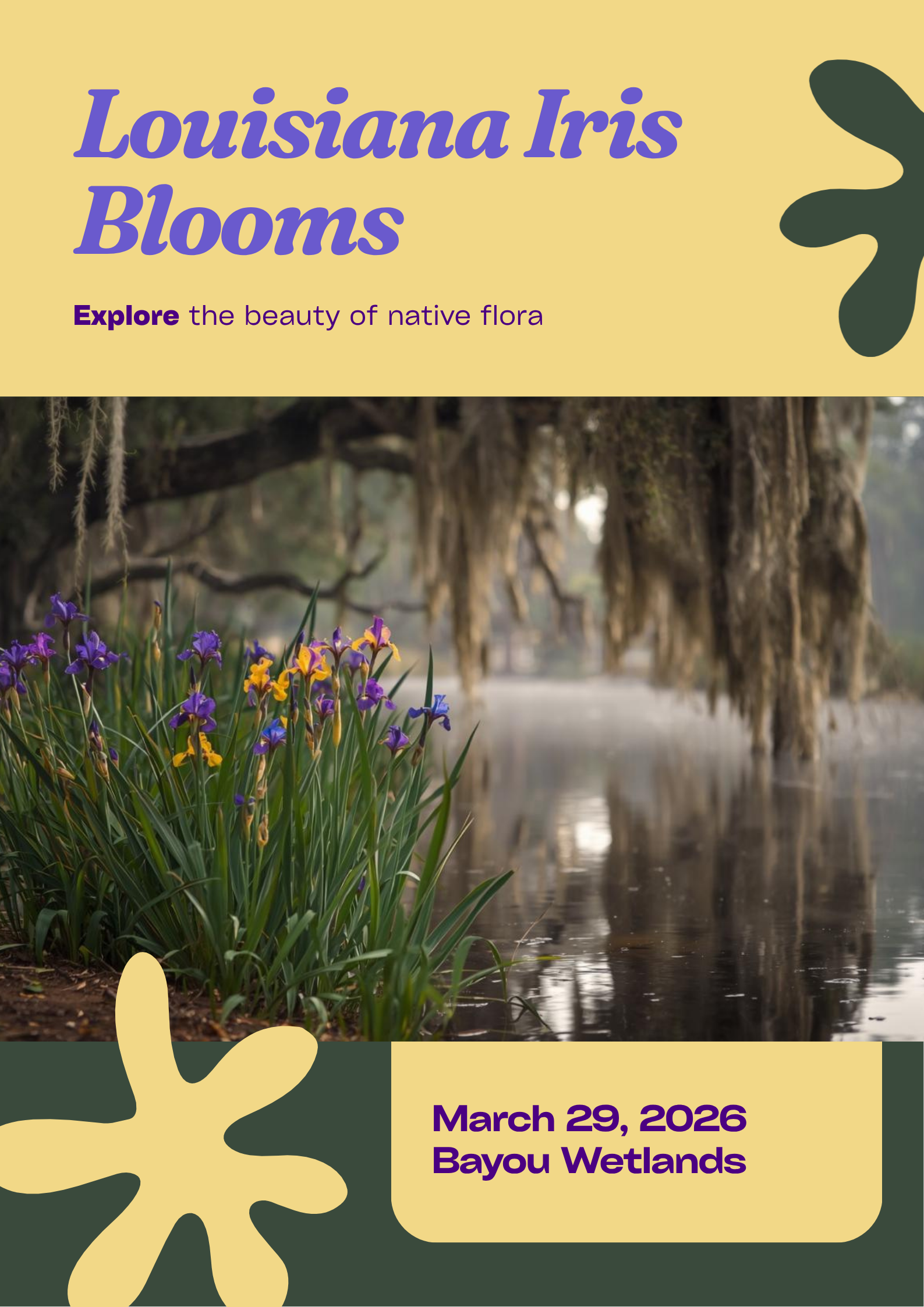
Crepe Myrtle, Magnolia, Louisiana Iris

Coming 2027

Preservation

Saving seeds.
Preserving futures.

Every variety we grow, we save. Every seed we save, we catalog. We're building a living archive of rare, heritage, and adapted plant genetics — because the future of food depends on what we preserve today.

Preserve

Cold-storage seed vault, documented provenance, genetic diversity. Every seed carries the story of where it came from and why it matters.

Propagate

From seed to seedling to mature plant, we grow the full lifecycle. Tested for germination, vigor, and resilience in Zone 9a conditions.

Share

Seeds available to growers, schools, community gardens, and food sovereignty projects. Growing resilience, one seed at a time.

Support the Farm

Help us grow.

Support the Farm

"Plant a Row"

Small-scale support

$10

"Feed the Soil"

Growing partnership

$25

"Sponsor a Tree"

Real impact

$50

"Name a Grove"

Lasting legacy

$100

Farm Merch (Coming Soon)

America's Forgotten Fruit Tee

"America's Forgotten Fruit" Tee

Organic cotton, screen-printed

$28
Rhedd Trucker Hat

Rhedd Trucker Hat

Classic farm style

$24
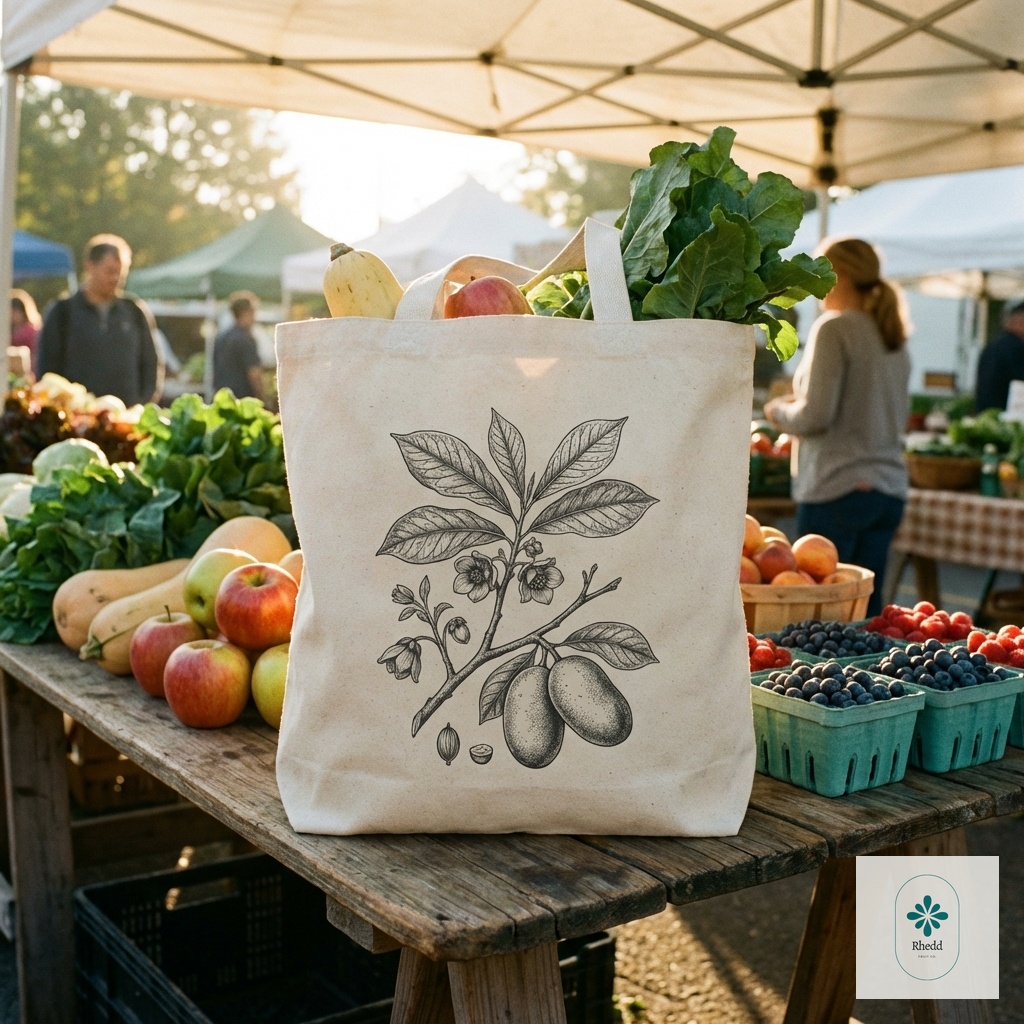
Mississippi River Tote Bag

Mississippi River Tote Bag

Canvas, heavy-duty

$22
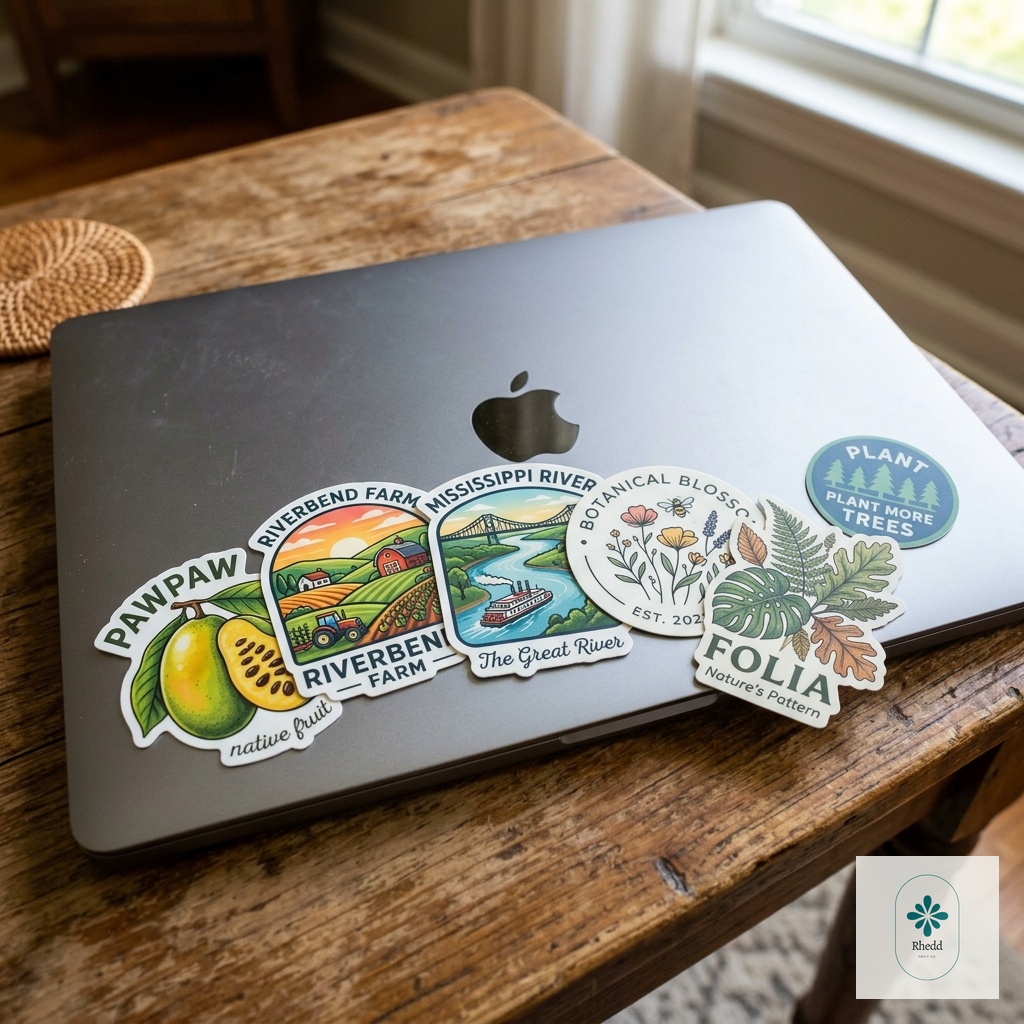
Seed Packet Sticker Set

Seed Packet Sticker Set

Waterproof vinyl

$8

Partnerships

One farm can't do it alone.

We're part of a growing network of family-owned agricultural businesses building circular economies. We share knowledge, swap genetics, cross-pollinate ideas, and support each other's growth.

Featured Partner

Kendall Botanicals

A family-owned botanical beauty brand in Southwest Georgia. They grow Awapuhi — shampoo ginger — and turn it into clean, effective hair and skin care. We're exploring shared genetics, cross-pollination of ideas, and co-branded products that connect our farms.

Visit kendallbotanicals.com →

Awapuhi Ginger

Shampoo ginger grown in Southwest Georgia, transformed into botanical beauty

Interested in partnering?

We're always looking for aligned agricultural businesses, growers, and food makers to collaborate with.

Market Opportunity

Built on real numbers.

A specialty agriculture business positioned in one of the fastest-growing segments of the U.S. seed and plant market.

$22B+

U.S. seed market

Growing 6.76% annually

$2–3B

Specialty seed segment

Growing 15% per year

260–350

Growing days / year

Zone 9a, Louisiana

3

Commercial pawpaw growers

In all of Louisiana

Why this matters

  • A massive TAM in specialty seeds — growing faster than conventional agriculture
  • Pawpaw is a blue-ocean opportunity with almost no commercial competition
  • The 9-month growing season in Louisiana allows for multiple crops per year
  • 15 acres of mature trees represent real production capacity and distribution advantage
  • Food sovereignty and seed banking are growing movements backed by real customer demand

The Full Catalog

Pre-order rare varieties from our expanding seed bank and nursery. Our inventory grows every season — if you don't see what you need, just ask.

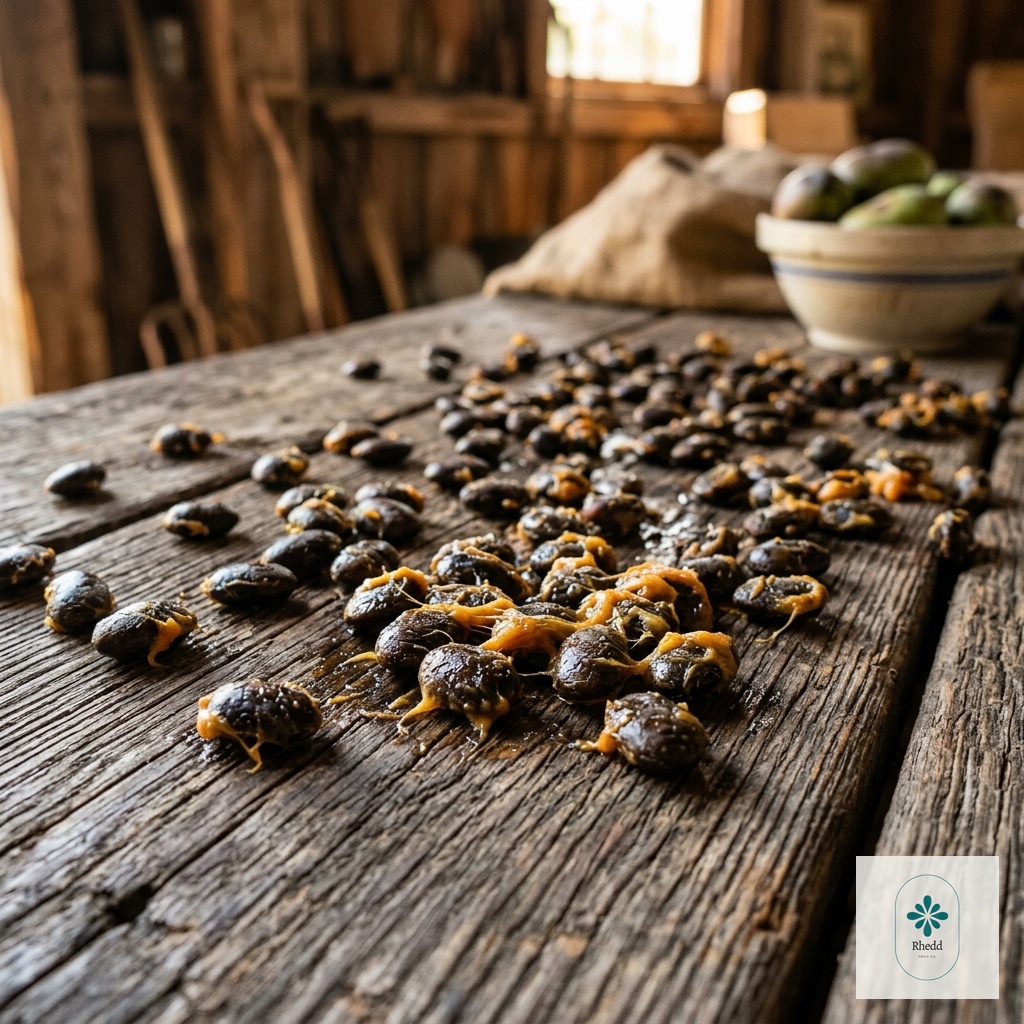
Pawpaw Seeds
Pawpaw

Pawpaw Seeds

Fresh-harvested from Mississippi River trees

$1–$2
Pre-Order Summer 2026 Reserve
Pawpaw Seedlings
Pawpaw

Pawpaw Seedlings

1-2 year trees, ready to plant

$20–$50
Pre-Order Fall 2026 Reserve
Grafted Pawpaw Trees
Pawpaw

Grafted Pawpaw Trees

Named varieties, proven rootstock

$35–$75
Pre-Order Winter 2026 Reserve
Fresh Pawpaw Fruit
Pawpaw

Fresh Pawpaw Fruit

Shipped overnight, peak ripeness

$4–$8/lb
Pre-Order Summer 2026 Reserve
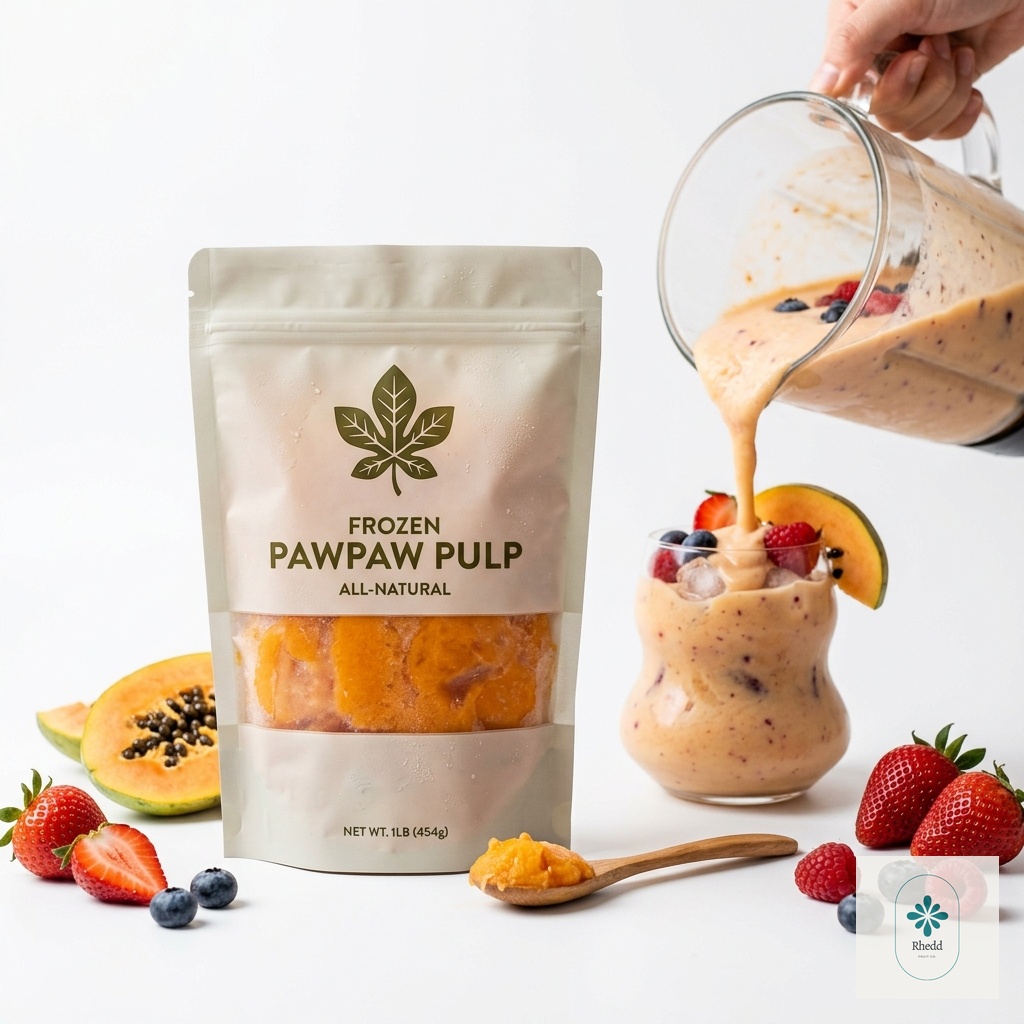
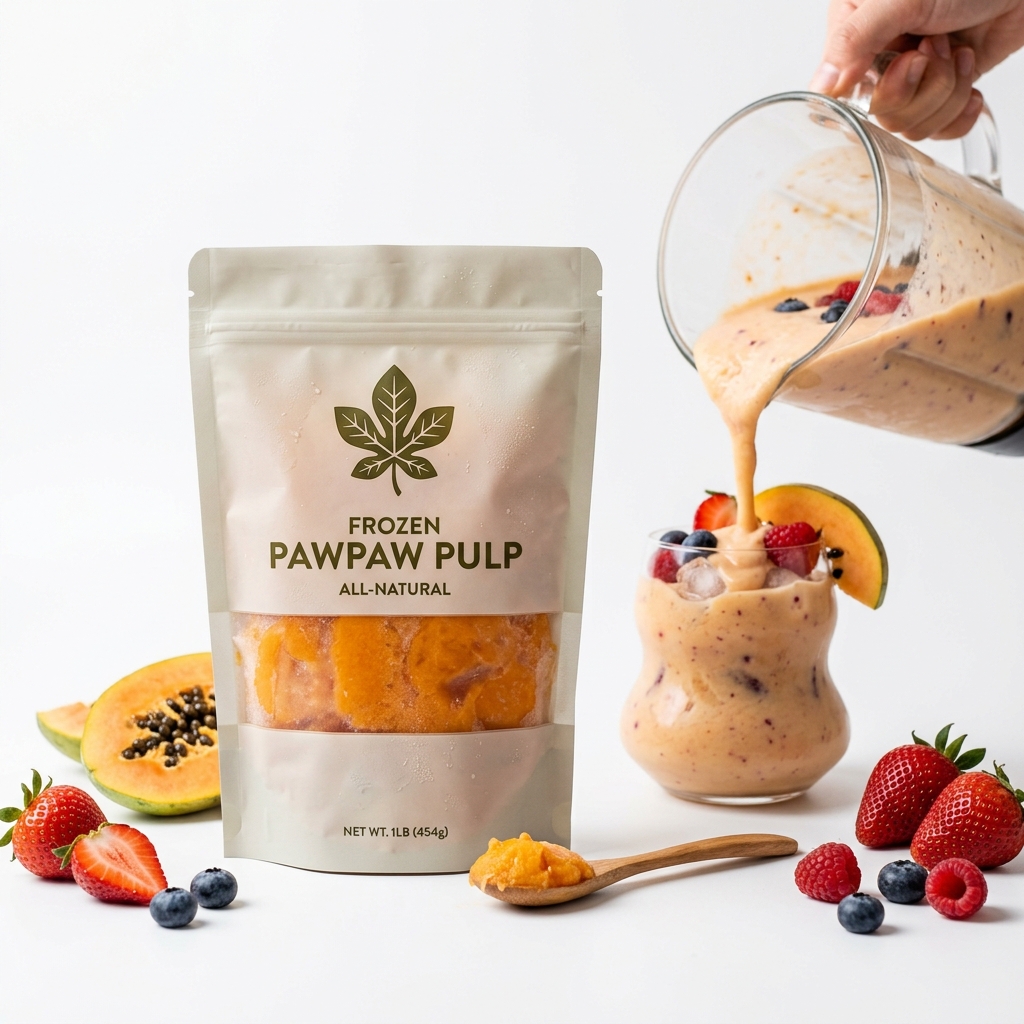
Frozen Pawpaw Pulp
Pawpaw

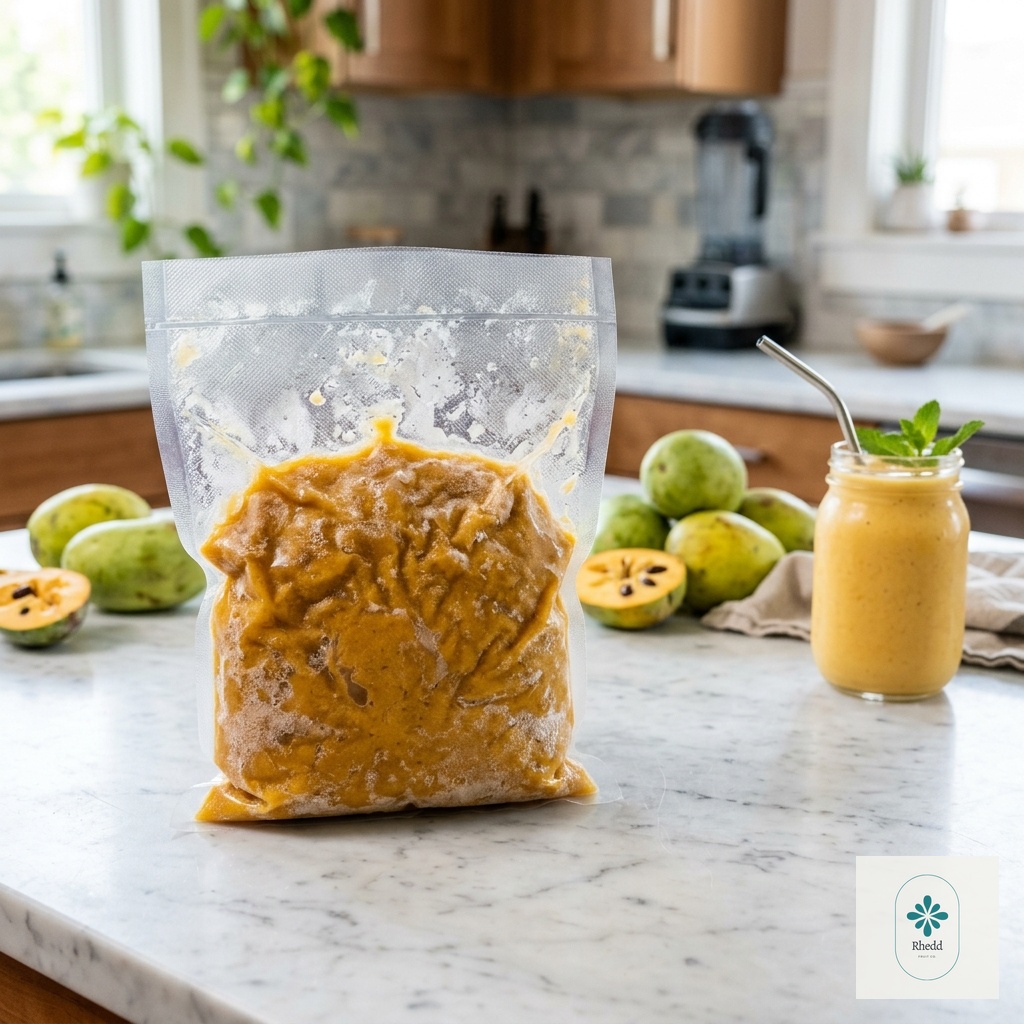
Frozen Pawpaw Pulp

Year-round availability

$6–$12/lb
Available Now Reserve
Satsuma Mandarin Tree
Citrus

Satsuma Mandarin Tree

Cold-hardy, seedless variety

$25–$45
Coming Spring 2027 Reserve
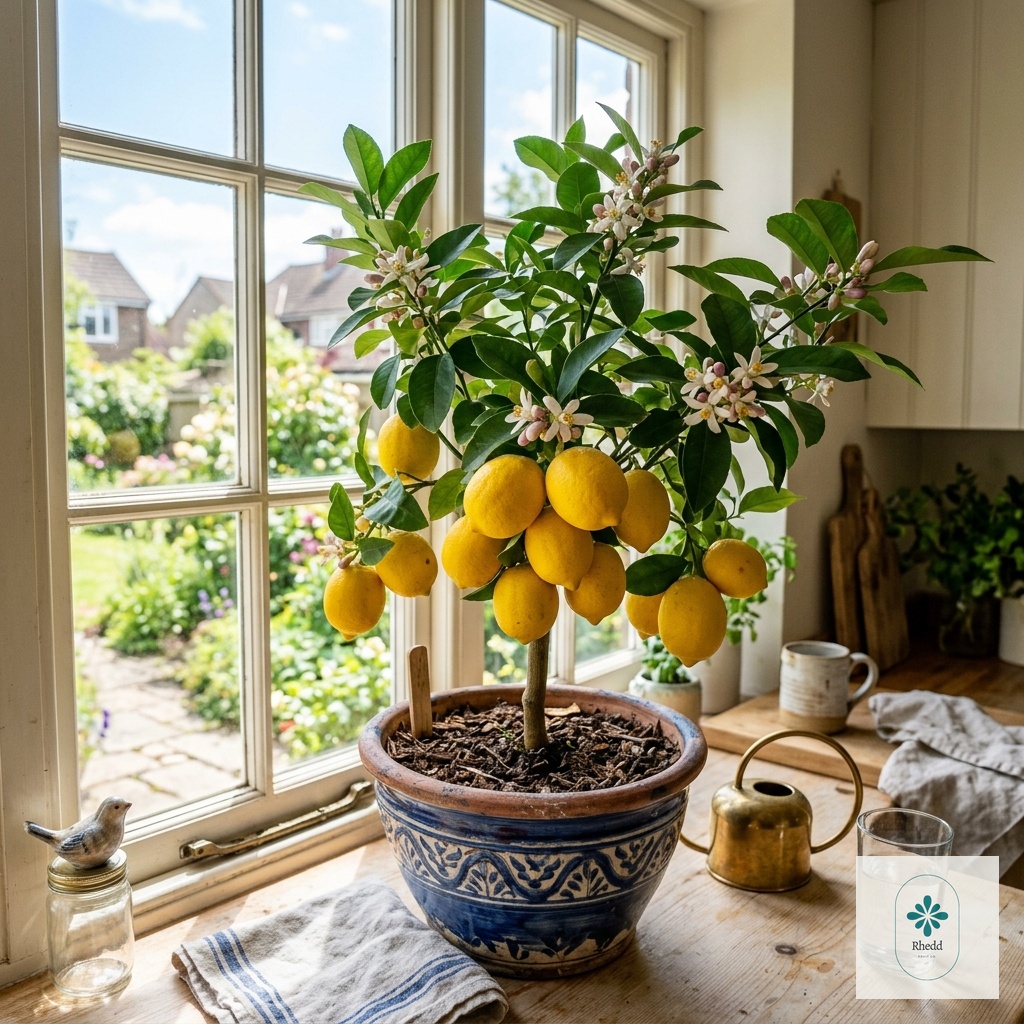
Meyer Lemon Tree
Citrus

Meyer Lemon Tree

Dwarf variety, container-friendly

$20–$40
Coming Spring 2027 Reserve
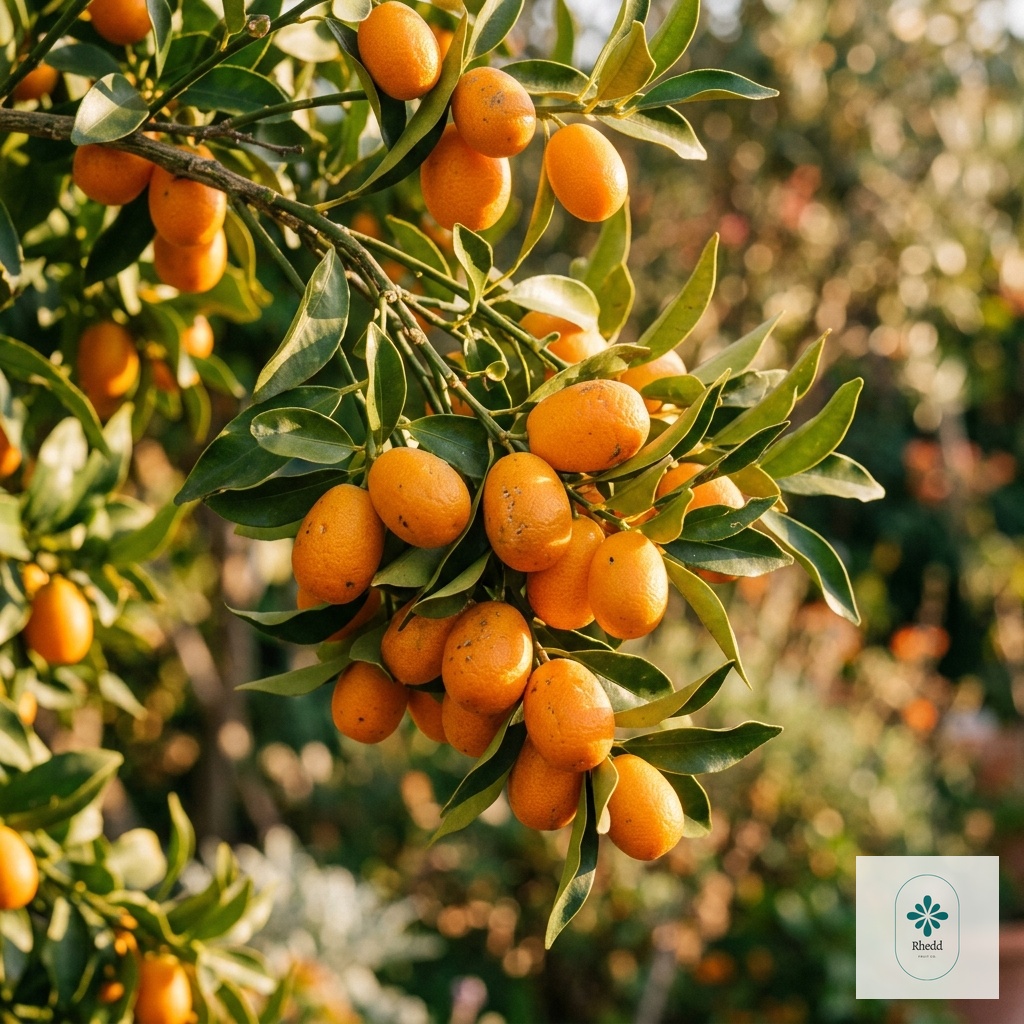
Kumquat Tree
Citrus

Kumquat Tree

Edible skin, ornamental

$20–$35
Coming Spring 2027 Reserve
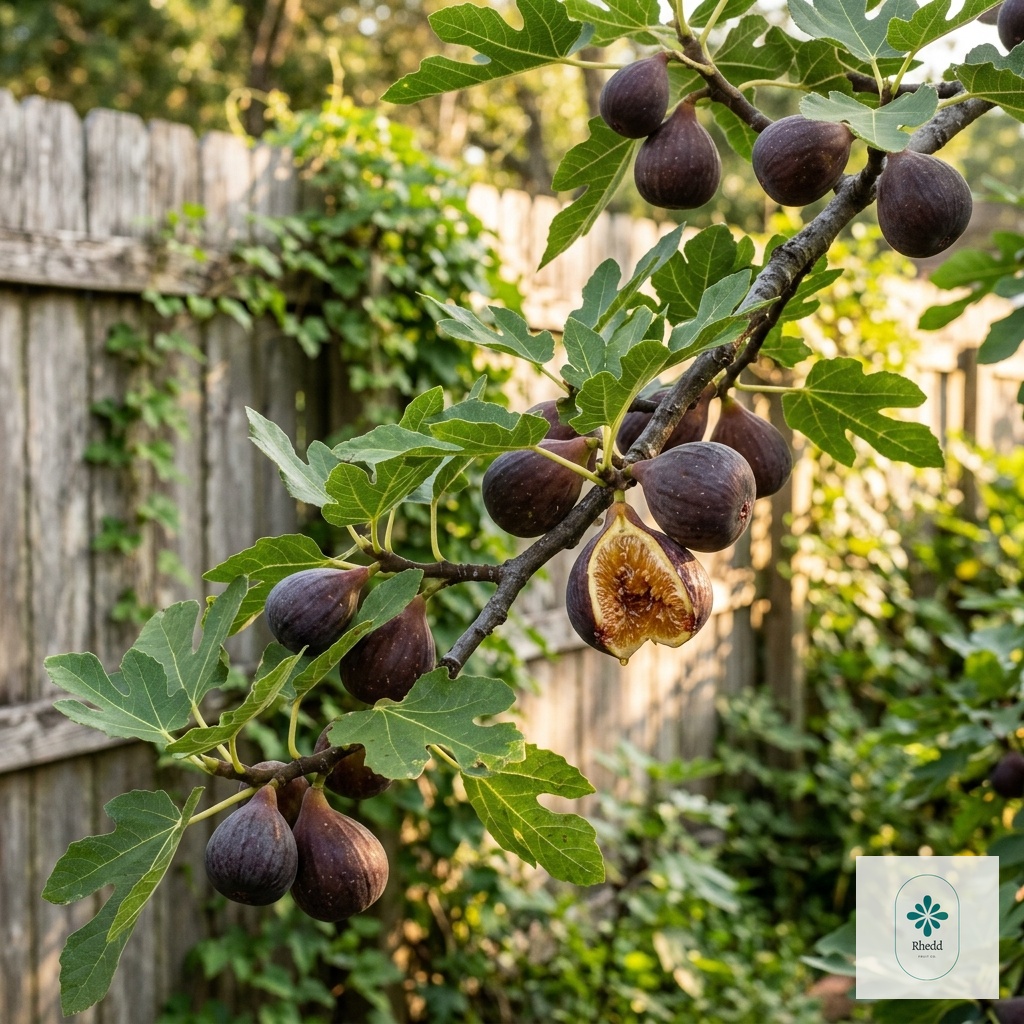
Celeste Fig Tree
Figs

Celeste Fig Tree

Classic Louisiana variety

$15–$30
Coming Spring 2027 Reserve
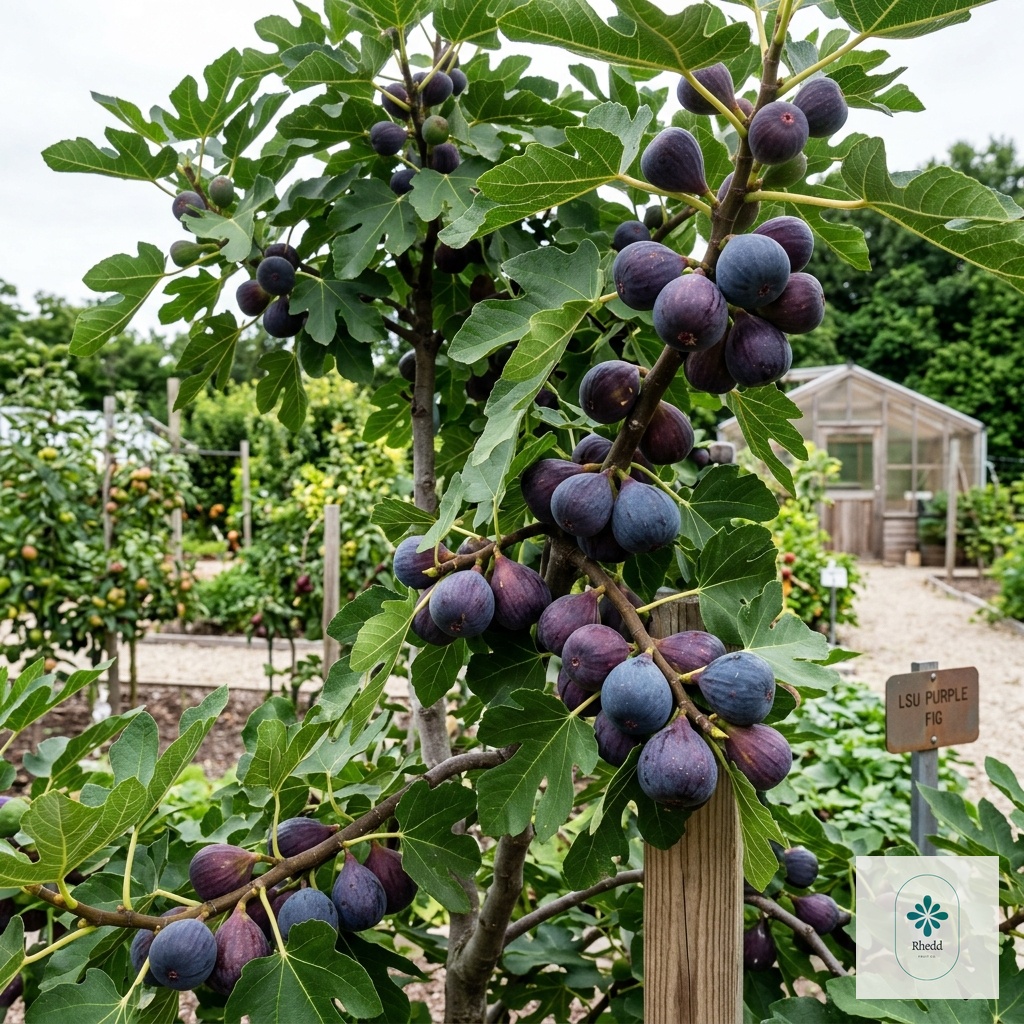
LSU Purple Fig
Figs

LSU Purple Fig

LSU-bred, high yield

$18–$35
Coming Spring 2027 Reserve
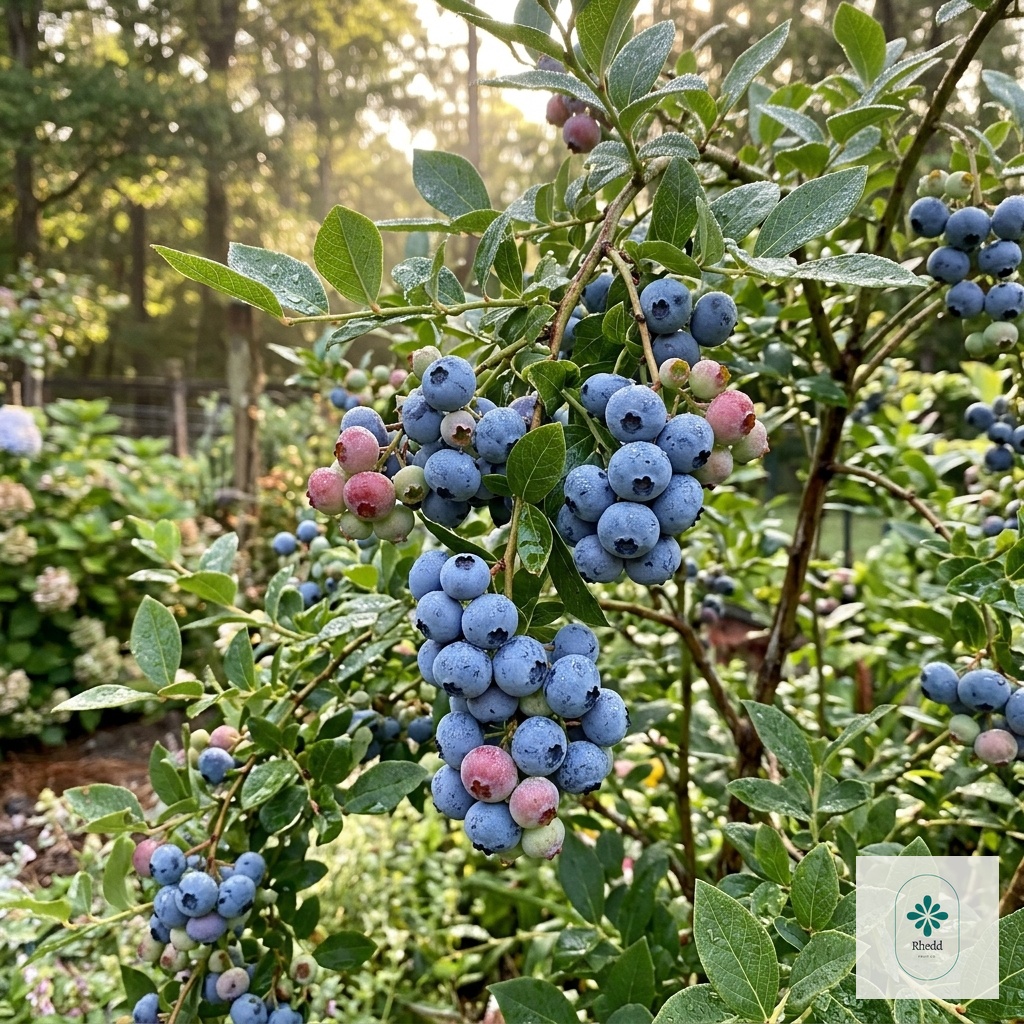
Rabbiteye Blueberry
Berries

Rabbiteye Blueberry

Heat-adapted, prolific

$12–$25
Pre-Order Fall 2026 Reserve
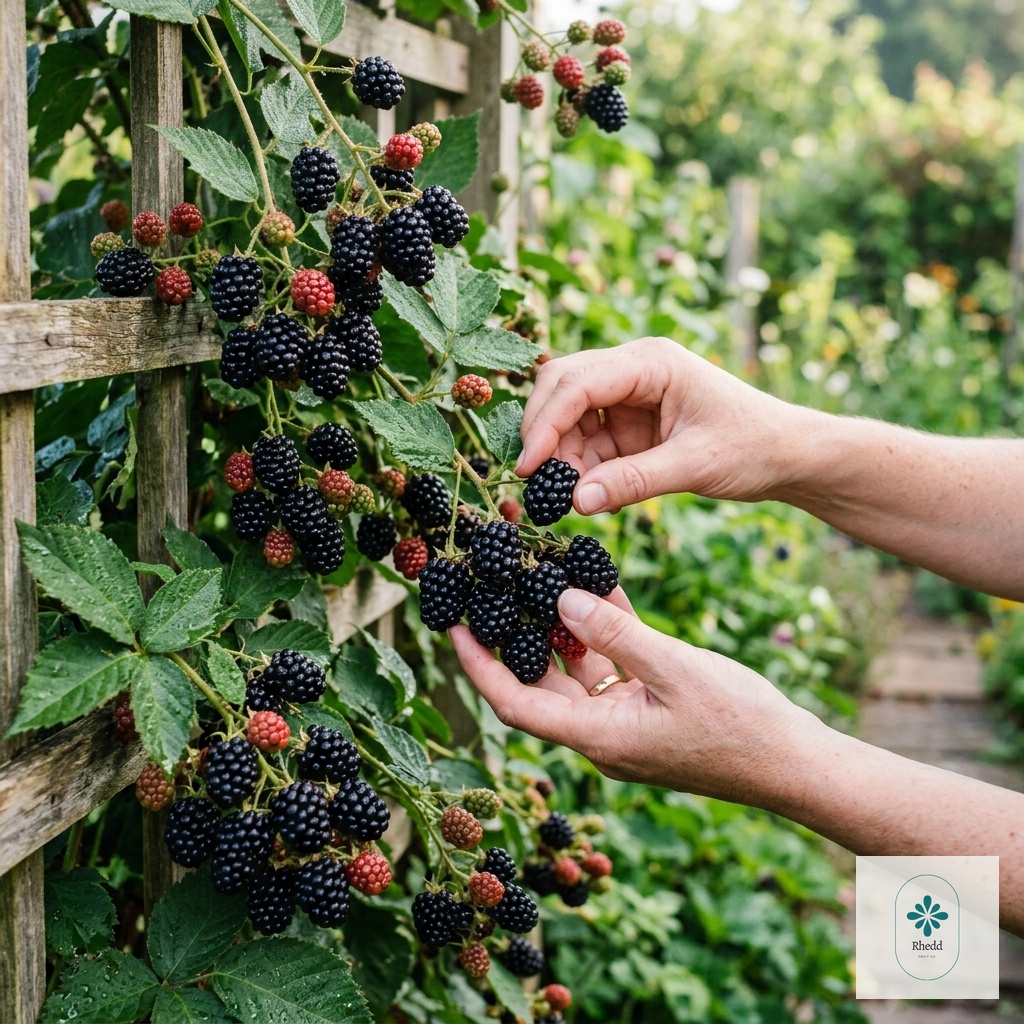
Thornless Blackberry
Berries

Thornless Blackberry

Easy harvest, no thorns

$10–$20
Coming Spring 2027 Reserve
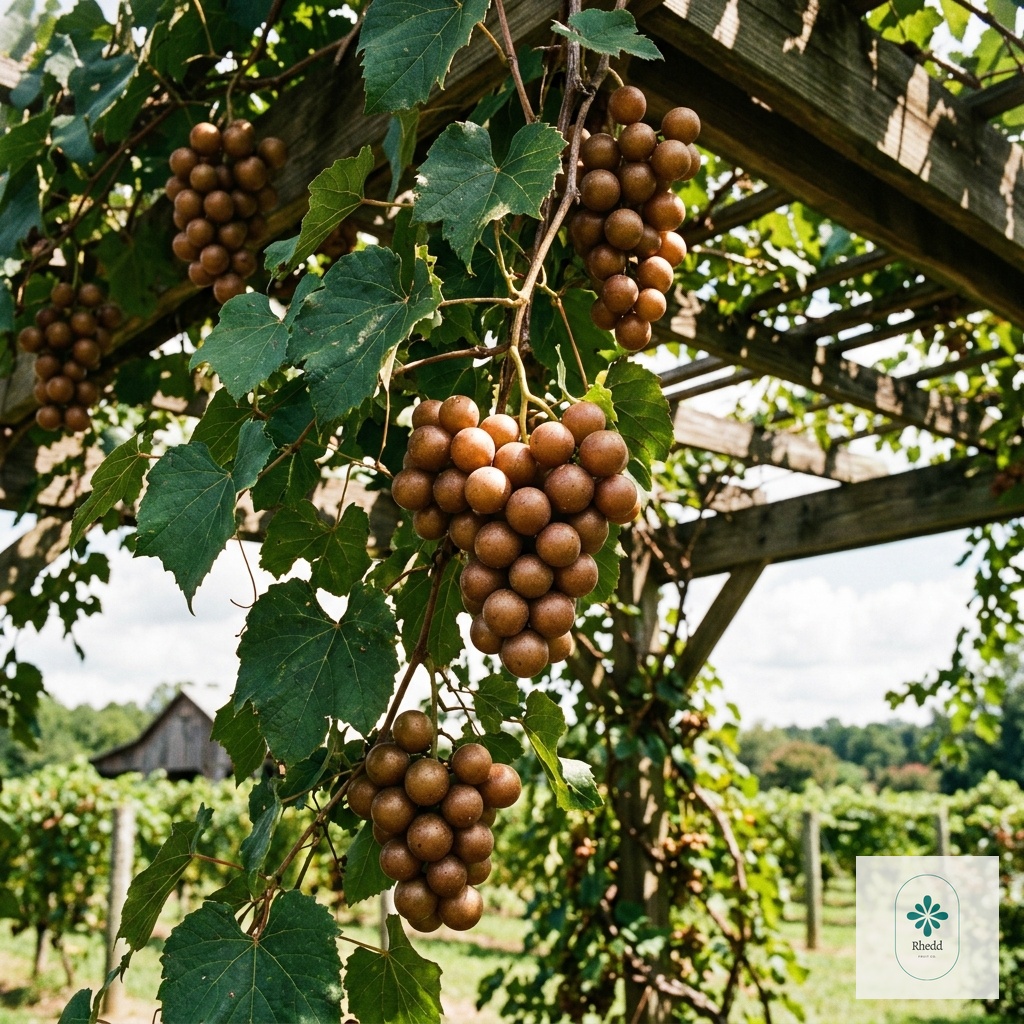
Muscadine Grape Vine
Berries

Muscadine Grape Vine

Bronze or purple varieties

$15–$30
Pre-Order Fall 2026 Reserve
Pecan Tree
Nut Trees

Pecan Tree

Grafted varieties, long-lived

$30–$60
Coming Winter 2027 Reserve
Chinquapin
Nut Trees

Chinquapin

Rare native, limited stock

$20–$40
Coming 2028 Reserve
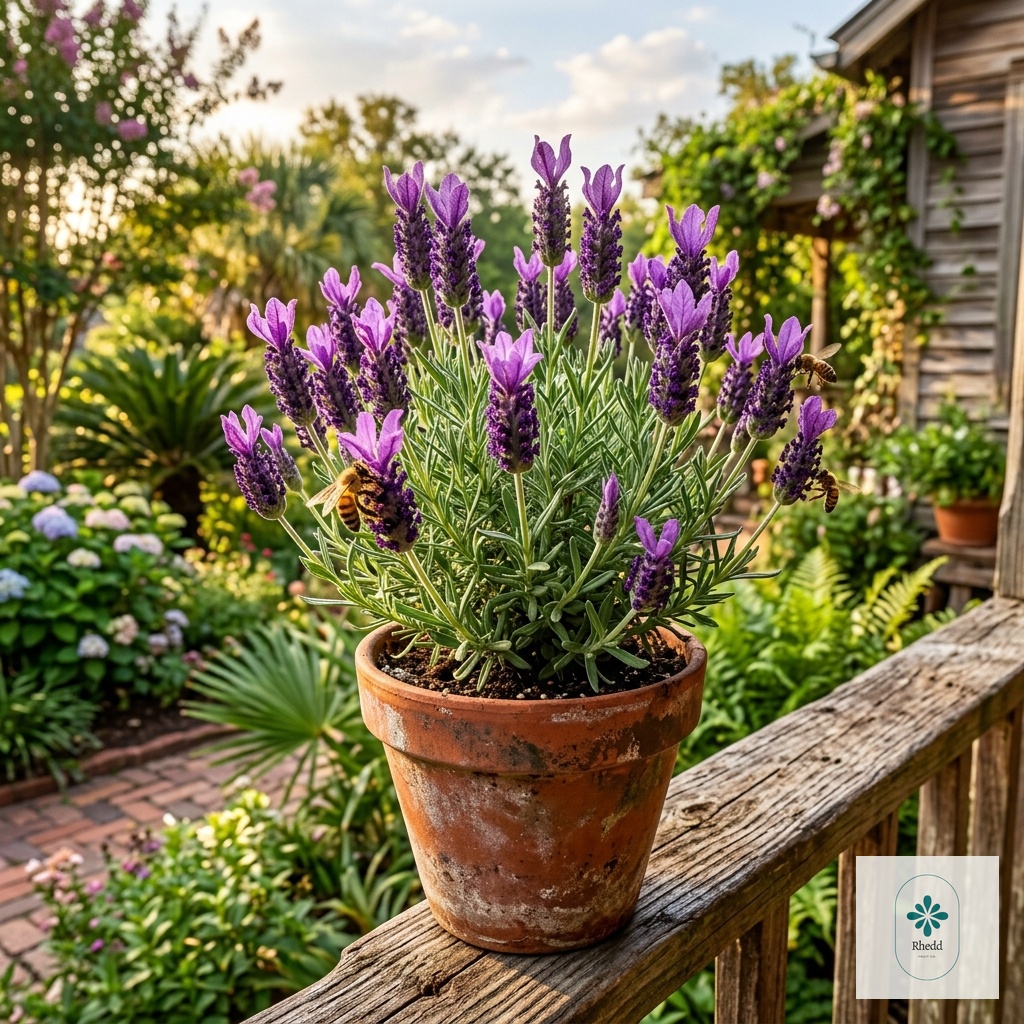
Louisiana Lavender
Herbs

Louisiana Lavender

Gulf Coast adapted

$8–$15
Coming Spring 2027 Reserve
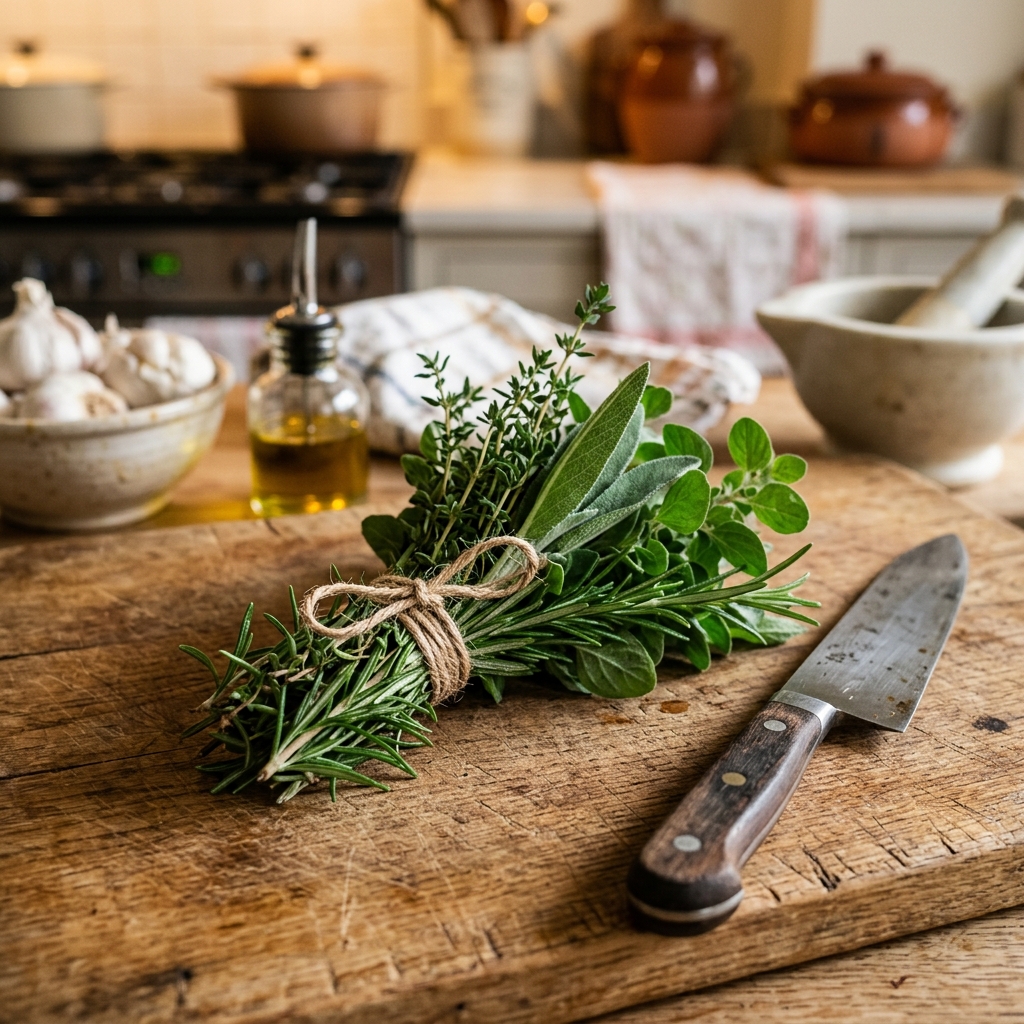
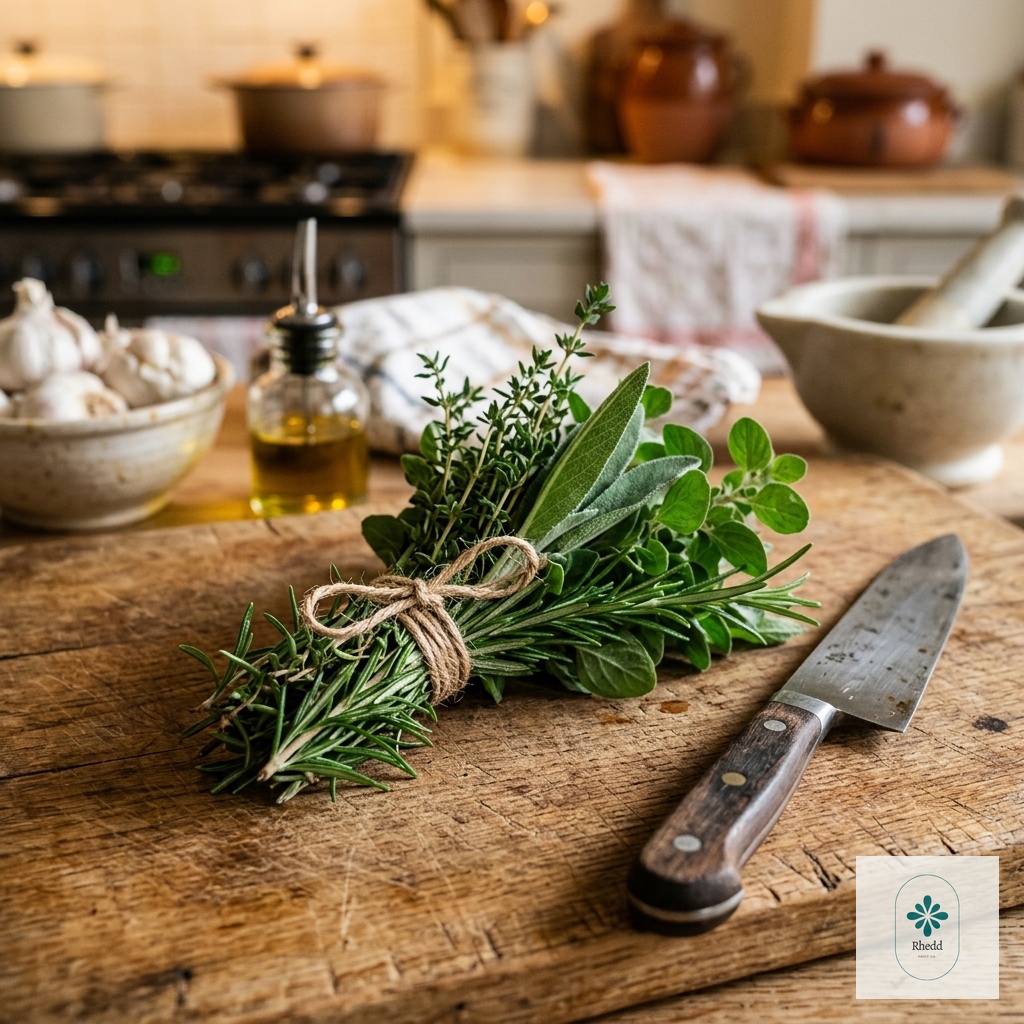
Culinary Herb Bundle
Herbs

Culinary Herb Bundle

Rosemary, thyme, sage, oregano

$12–$20
Coming Spring 2027 Reserve
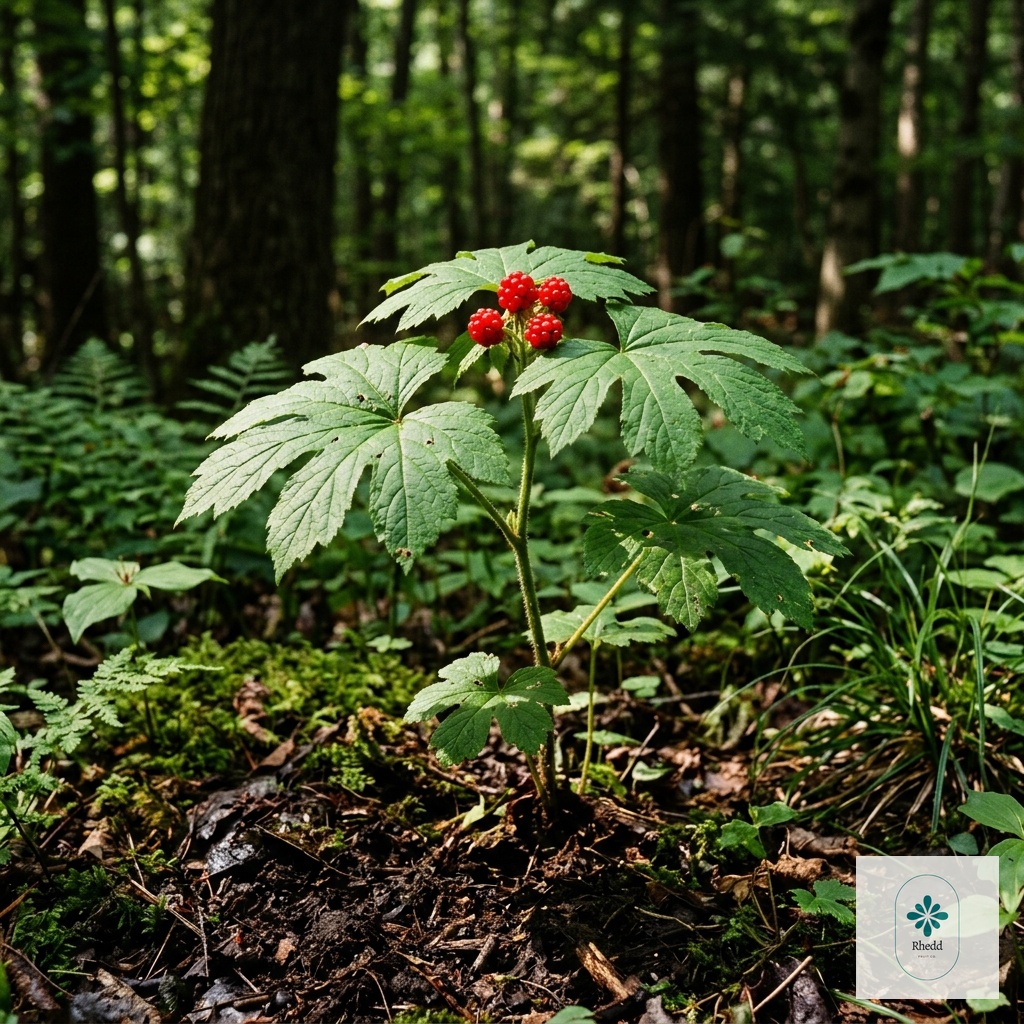
Goldenseal Root
Herbs

Goldenseal Root

Shade-grown medicinal

$15–$25
Coming 2028 Reserve
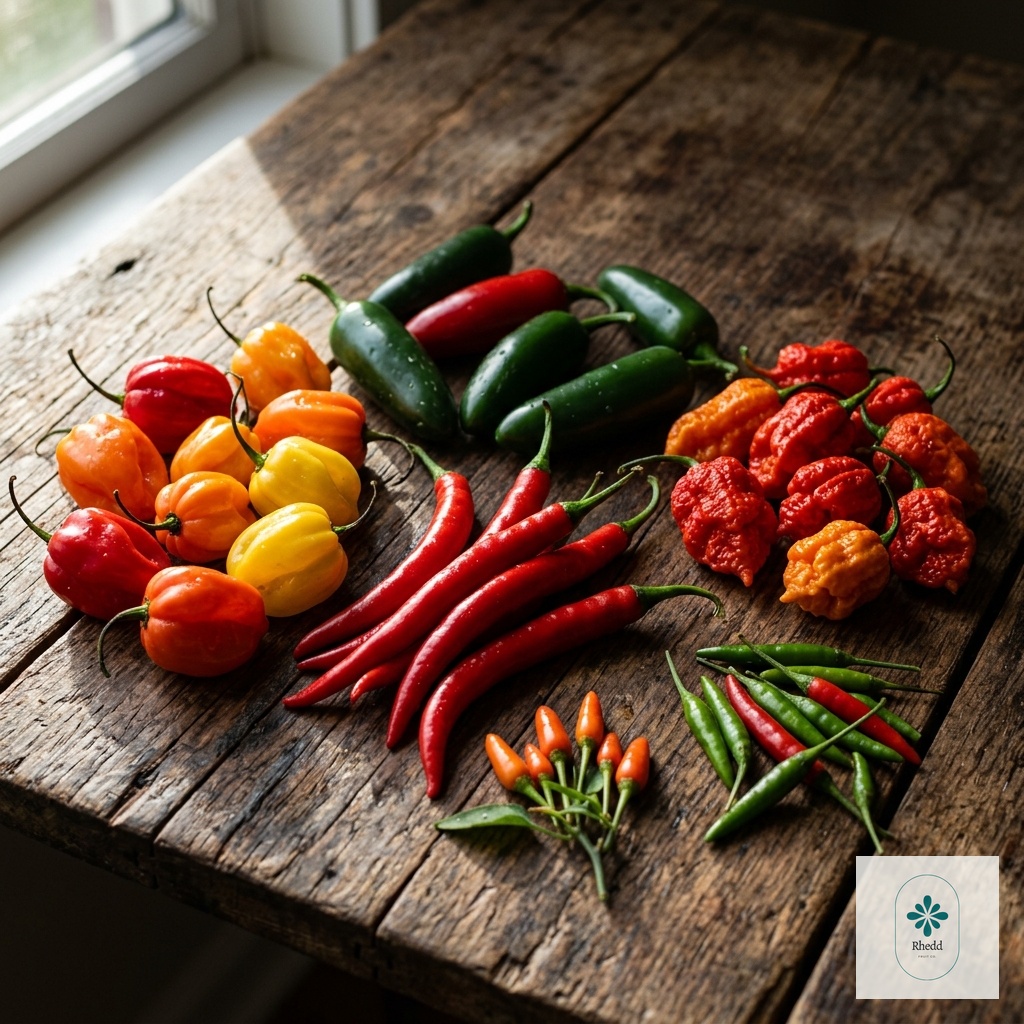
Hot Pepper Collection
Seeds

Hot Pepper Collection

6 varieties, heat levels 1-10

$8–$15
Pre-Order Spring 2026 Reserve
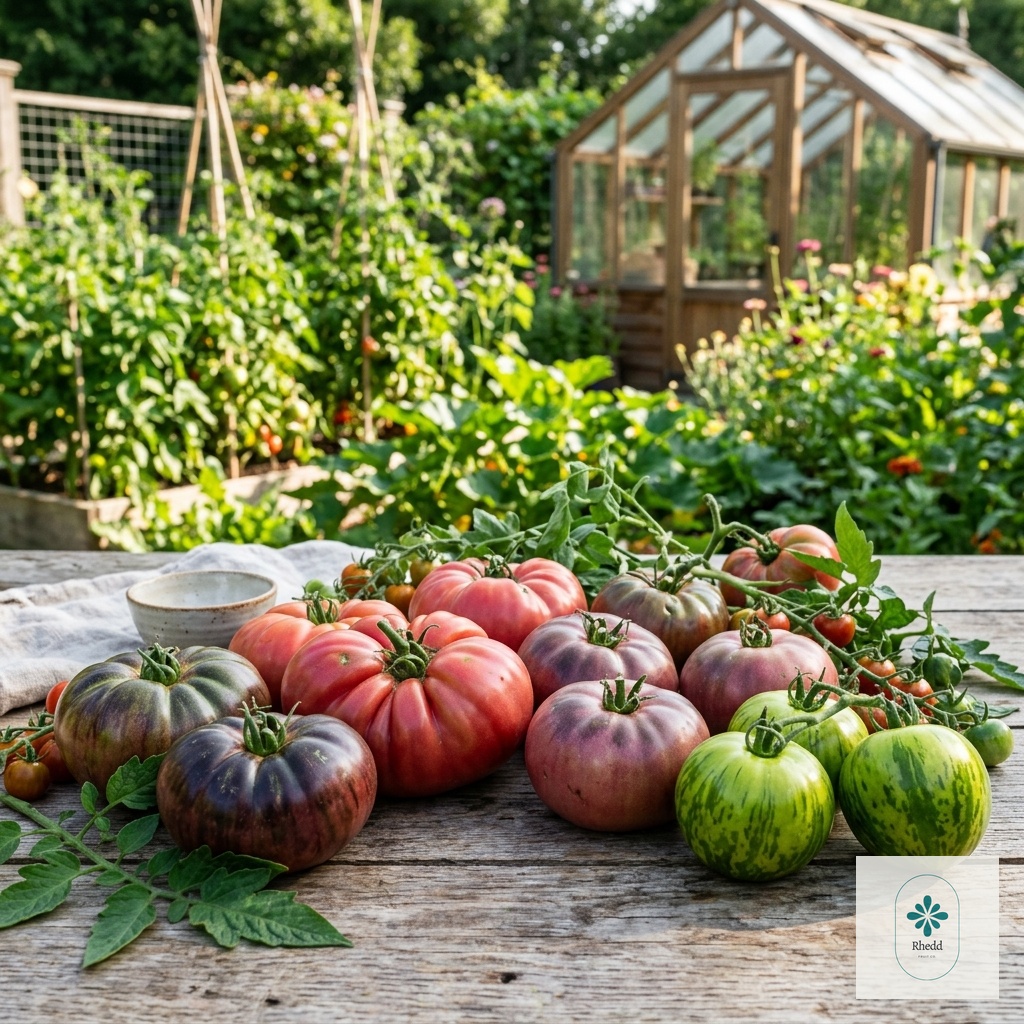
Heirloom Tomato Seeds
Seeds

Heirloom Tomato Seeds

Open-pollinated, saveability

$6–$12
Pre-Order Spring 2026 Reserve
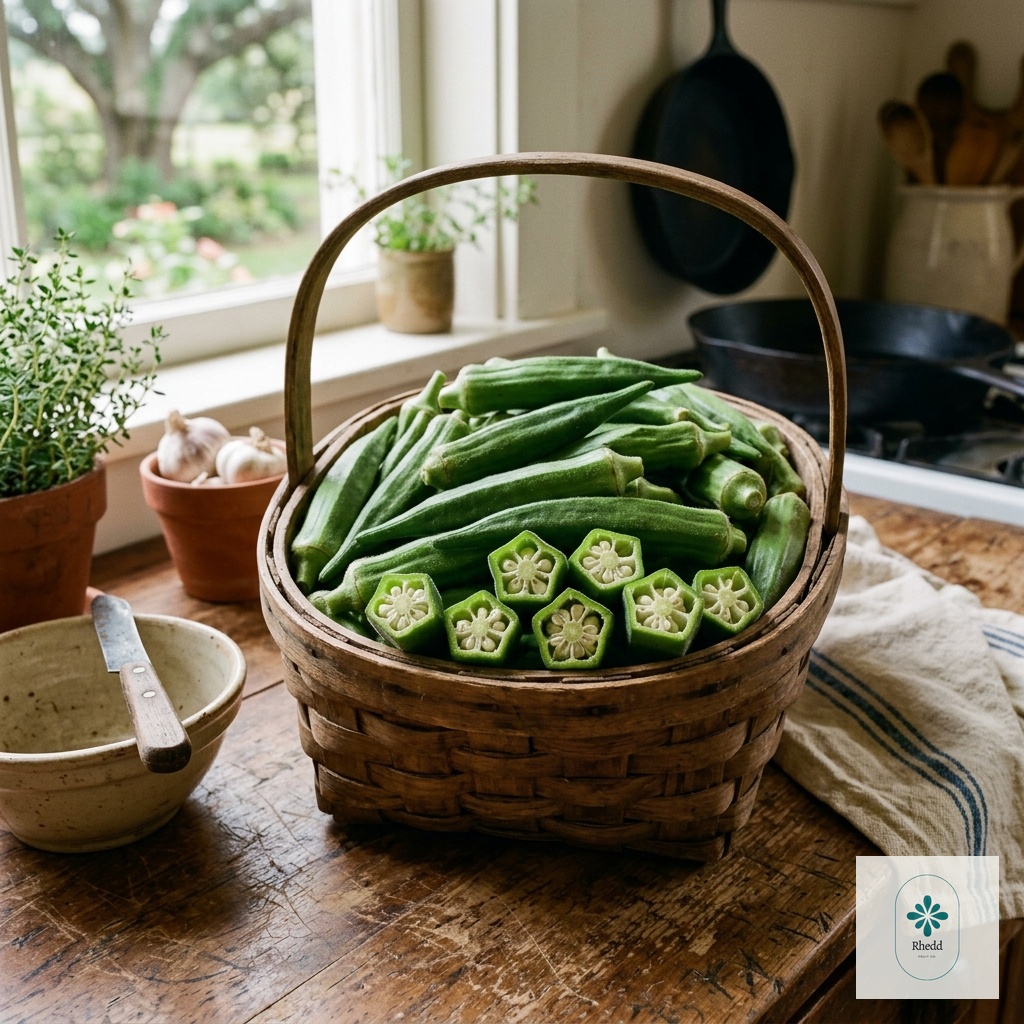
Heirloom Okra Seeds
Seeds

Heirloom Okra Seeds

Louisiana adapted, reliable

$4–$8
Pre-Order Spring 2026 Reserve
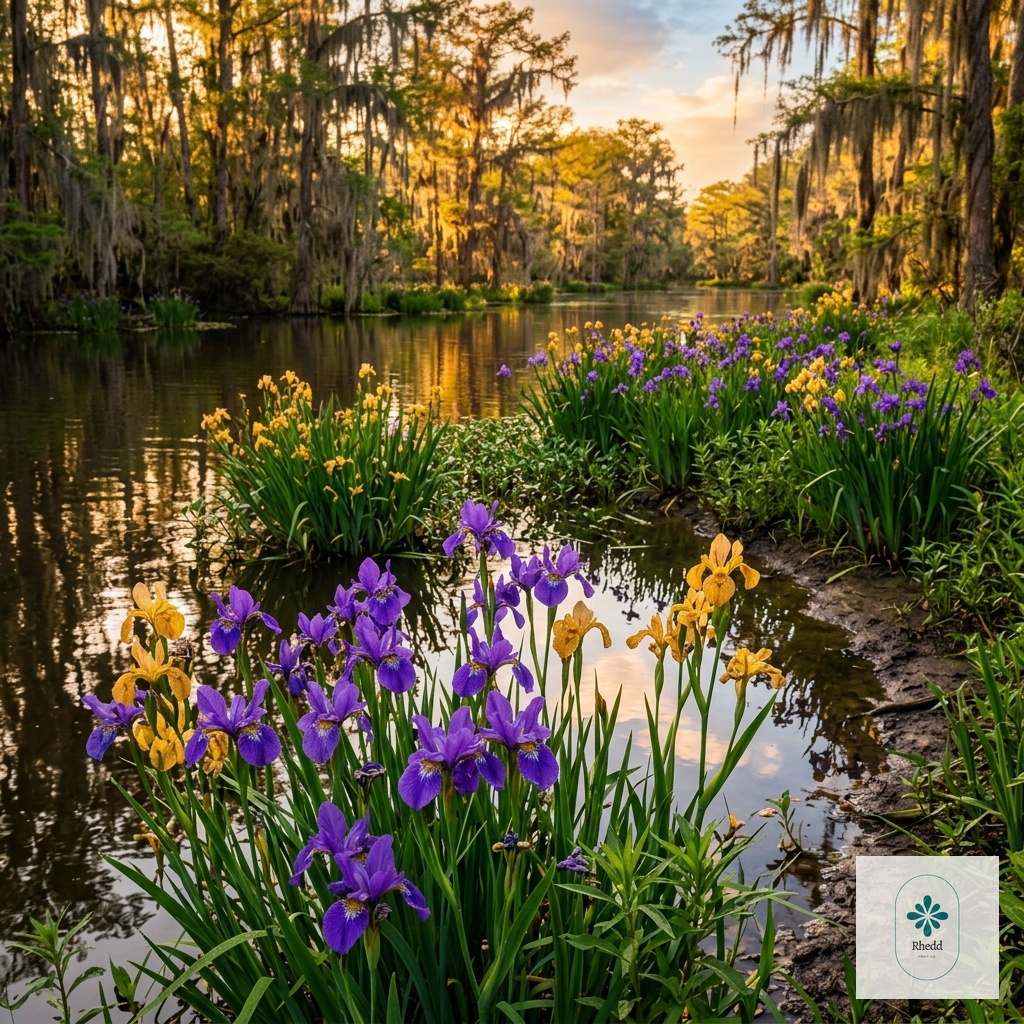
Louisiana Iris
Ornamentals

Louisiana Iris

Native wetland beauty

$10–$20
Pre-Order Fall 2026 Reserve
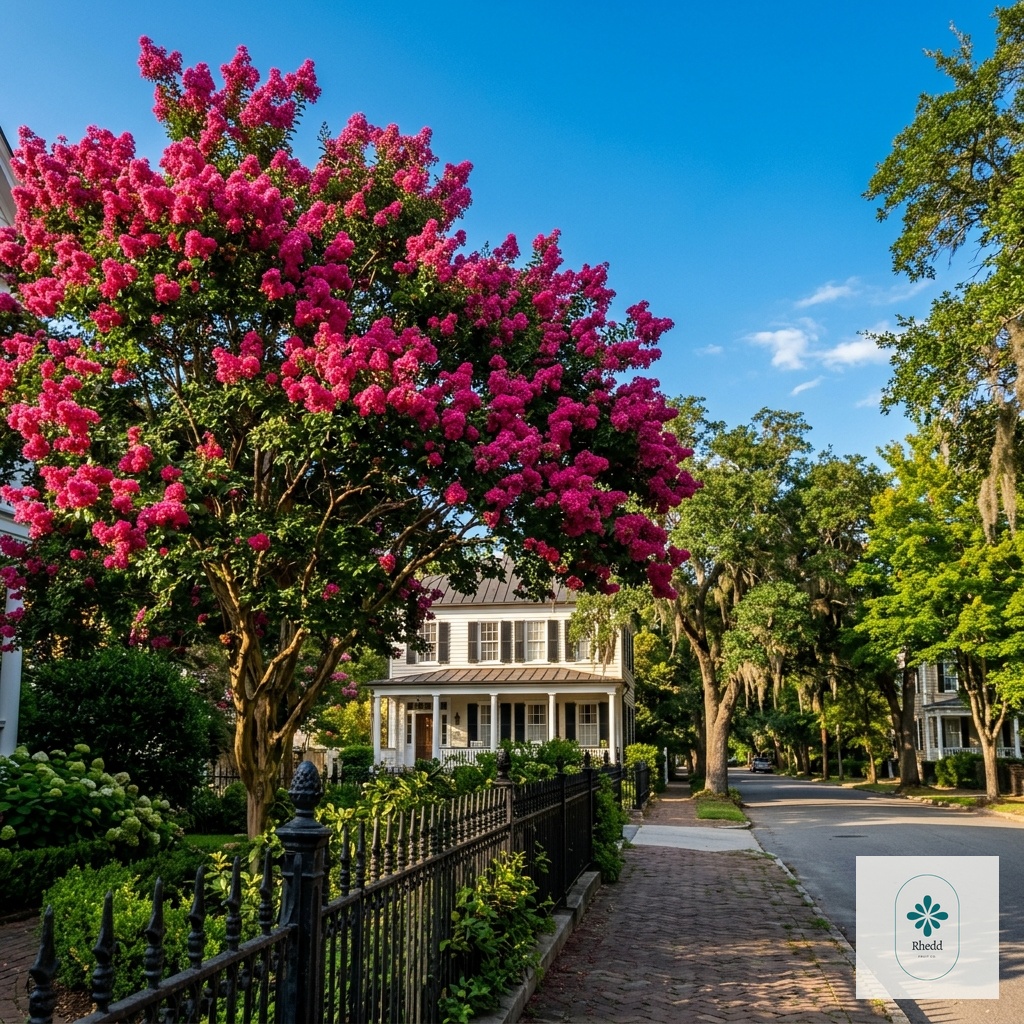
Crepe Myrtle
Ornamentals

Crepe Myrtle

Classic ornamental, long bloom

$20–$45
Coming Spring 2027 Reserve
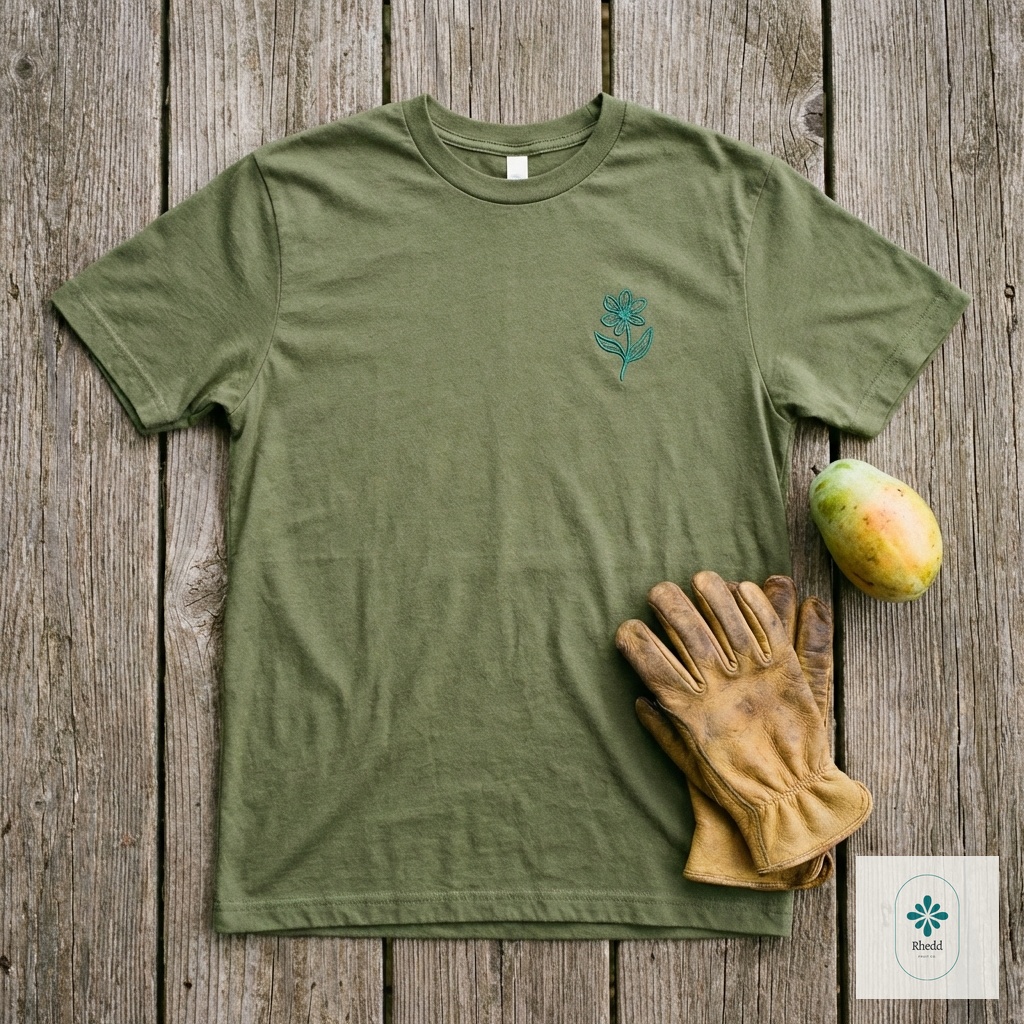
Rhedd Fruit Co. Tee
Merch

Rhedd Fruit Co. Tee

Soft cotton. Rhedd Fruit Co. logo.

$28
Pre-Order Summer 2026 Reserve
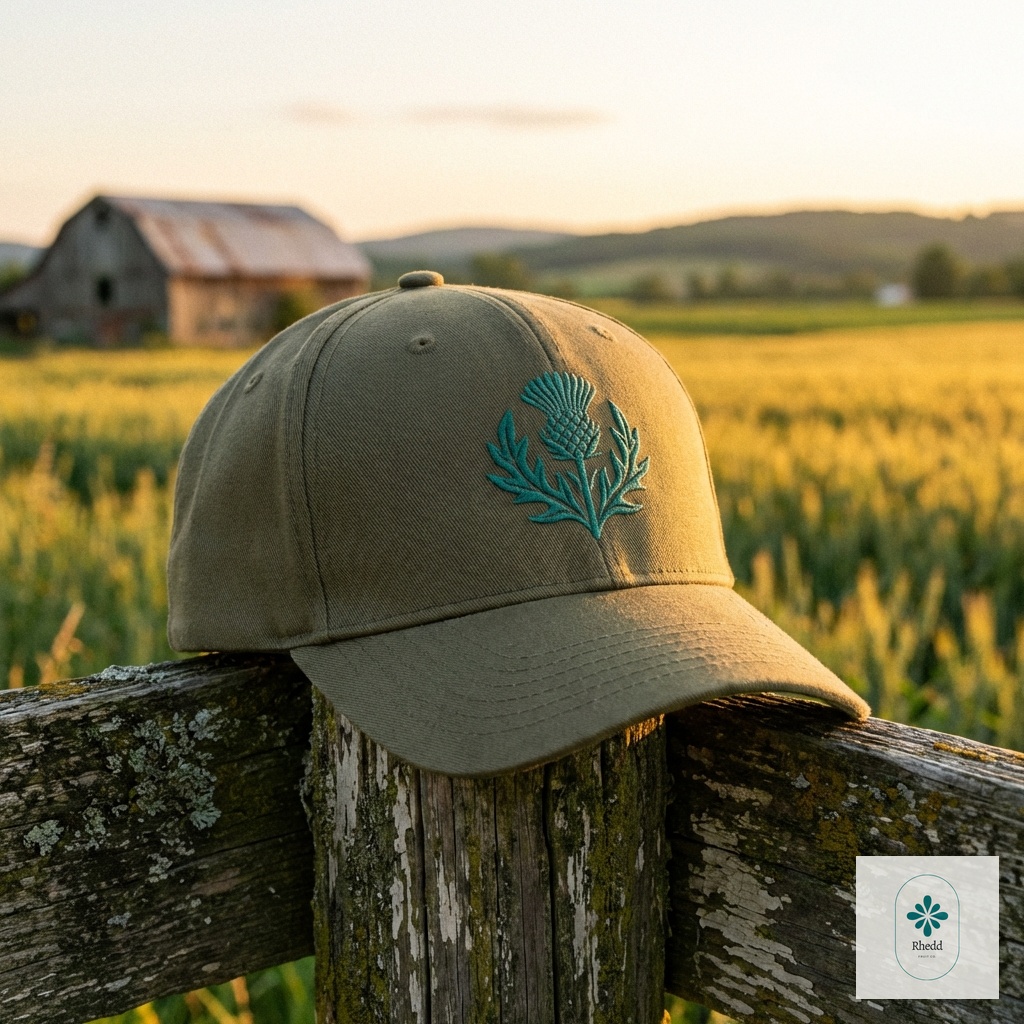
Farm Cap
Merch

Farm Cap

Embroidered Rhedd logo. Structured fit.

$24
Pre-Order Summer 2026 Reserve
Canvas Tote
Merch

Canvas Tote

Heavy-duty canvas. Orchard print.

$18
Pre-Order Summer 2026 Reserve
Sticker Pack
Merch

Sticker Pack

5 die-cut farm & fruit stickers.

$6
Pre-Order Summer 2026 Reserve
10,000 Years of Pawpaw
Book

"10,000 Years of Pawpaw"

The definitive book on America's forgotten fruit.

$24
Pre-Order — Harvest 2026 Reserve
Signed First Edition
Book

Signed First Edition

Numbered, signed by the author. Limited to 200.

$45
Limited Edition Reserve
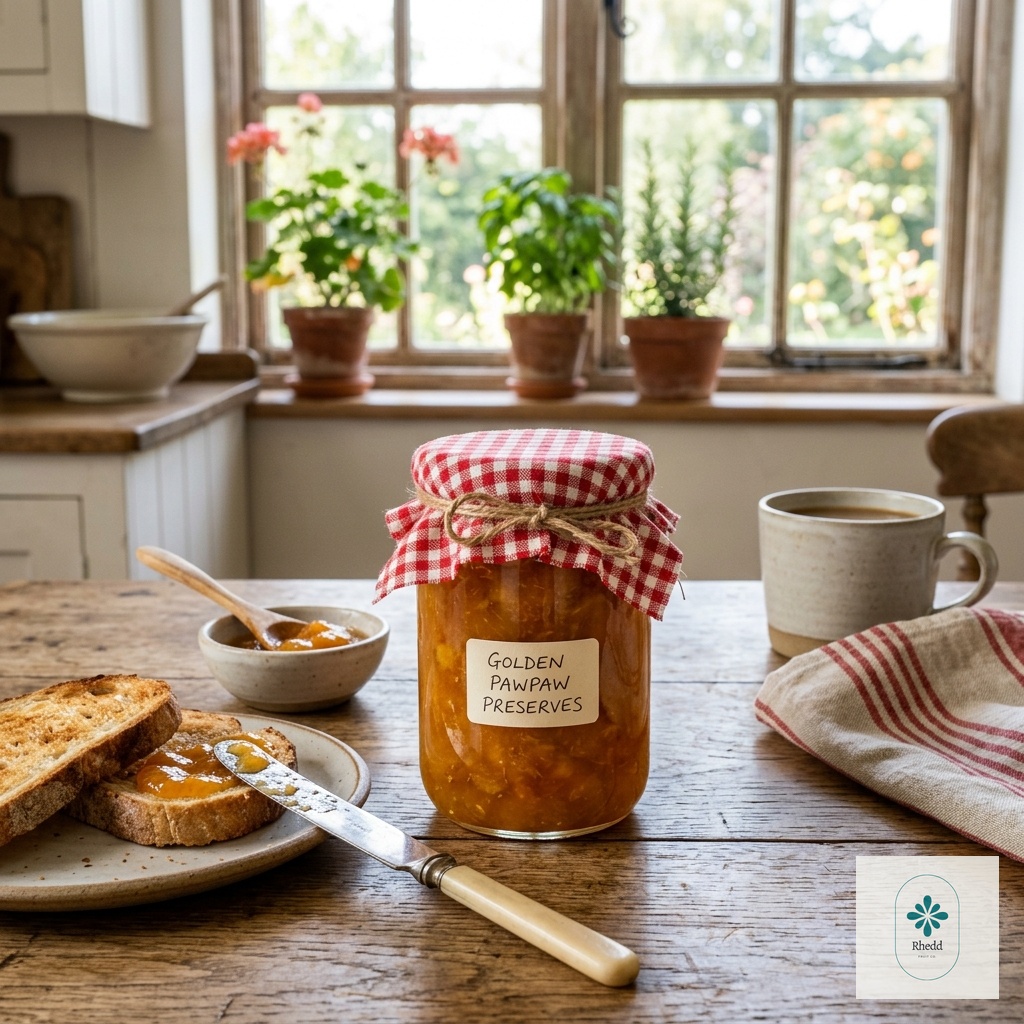
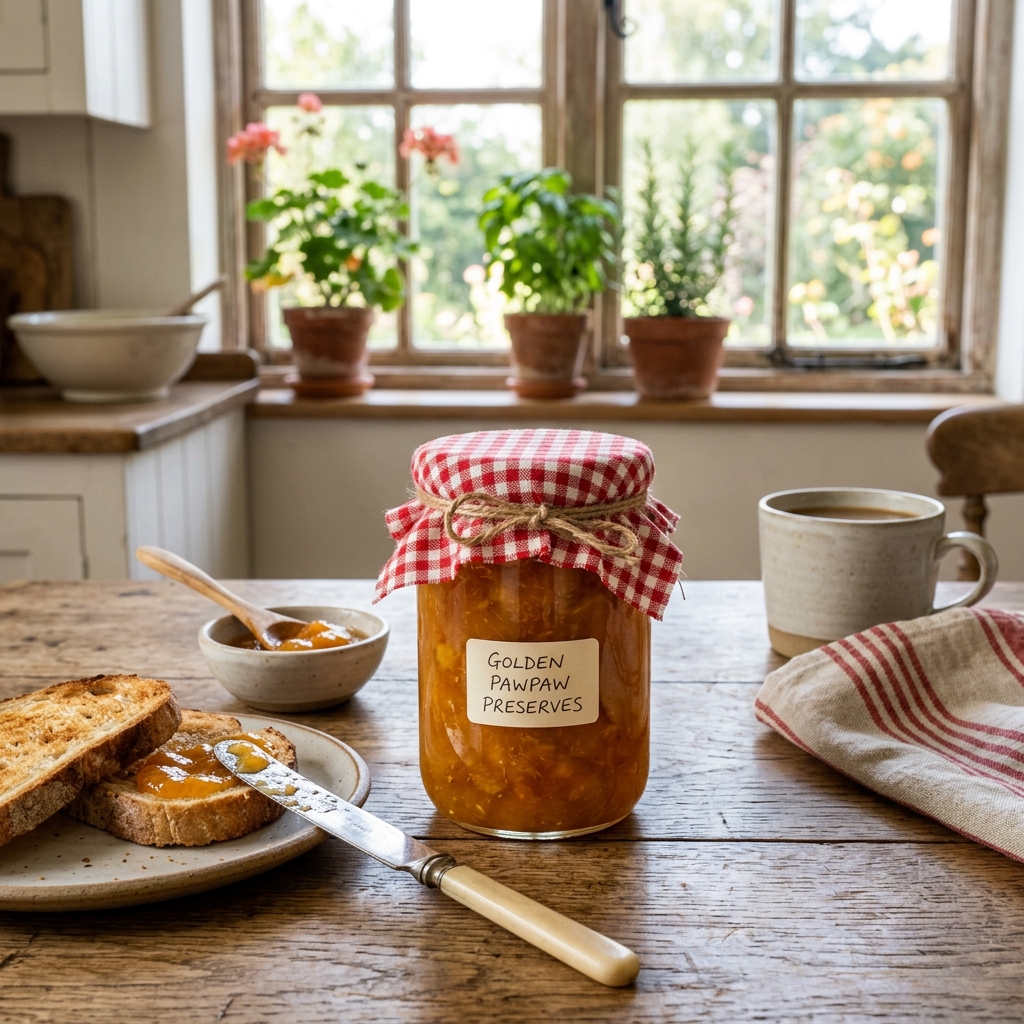
Pawpaw Preserves
Kitchen

Pawpaw Preserves

Small-batch fruit butter. 8oz jar.

$12
Pre-Order Fall 2026 Reserve
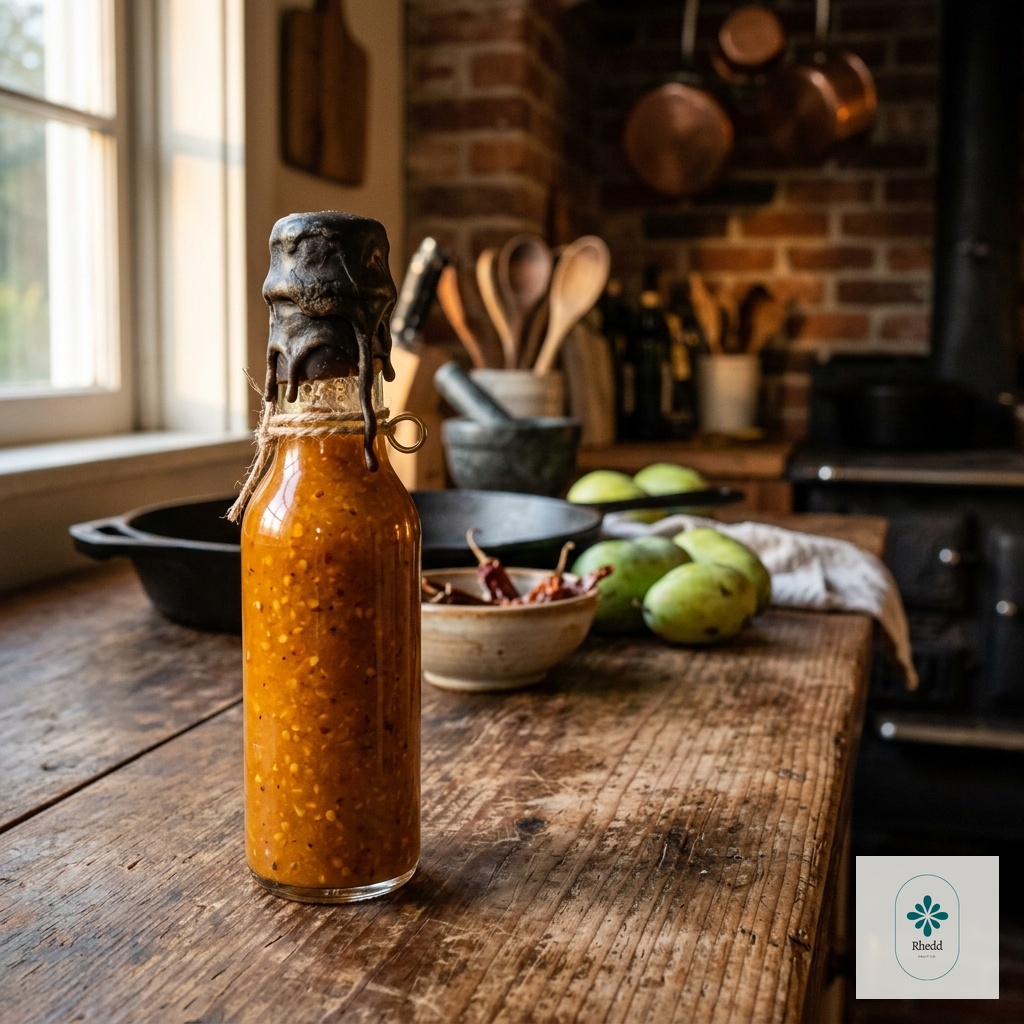
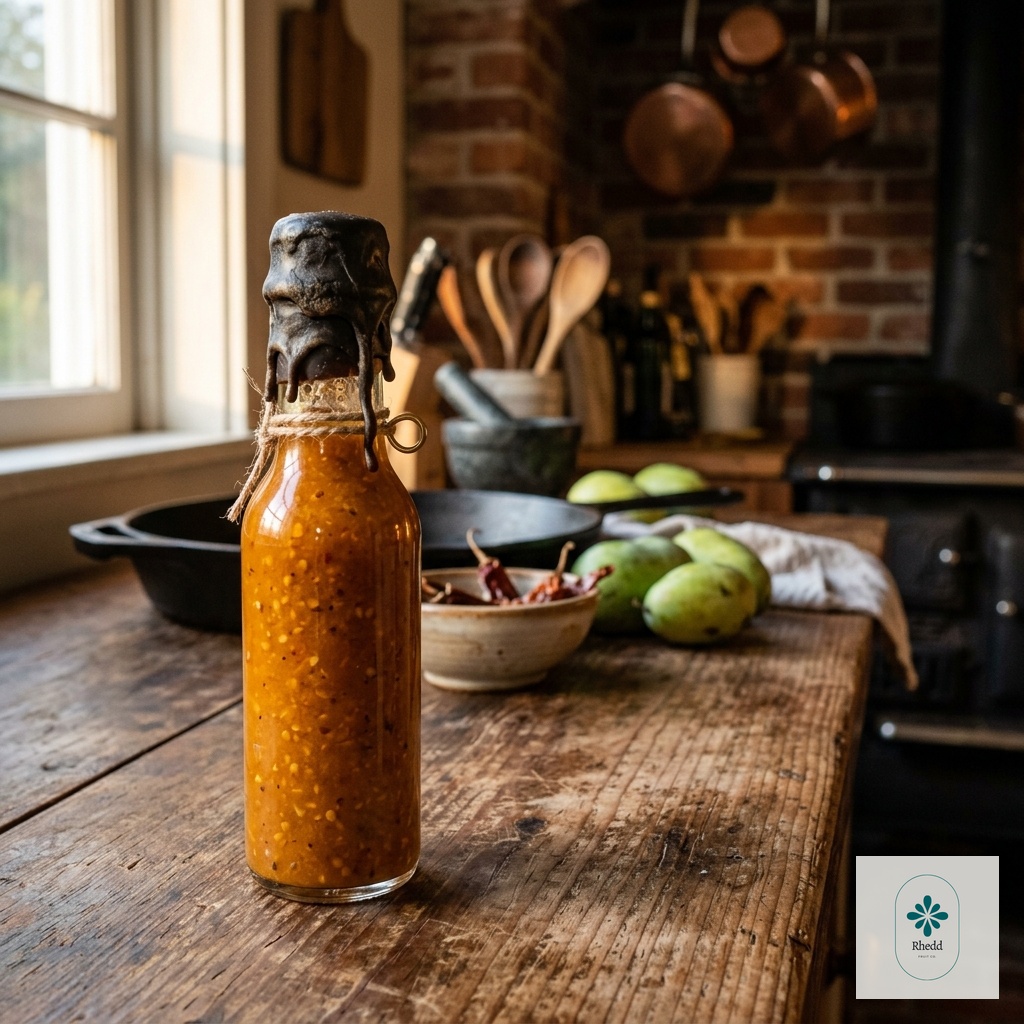
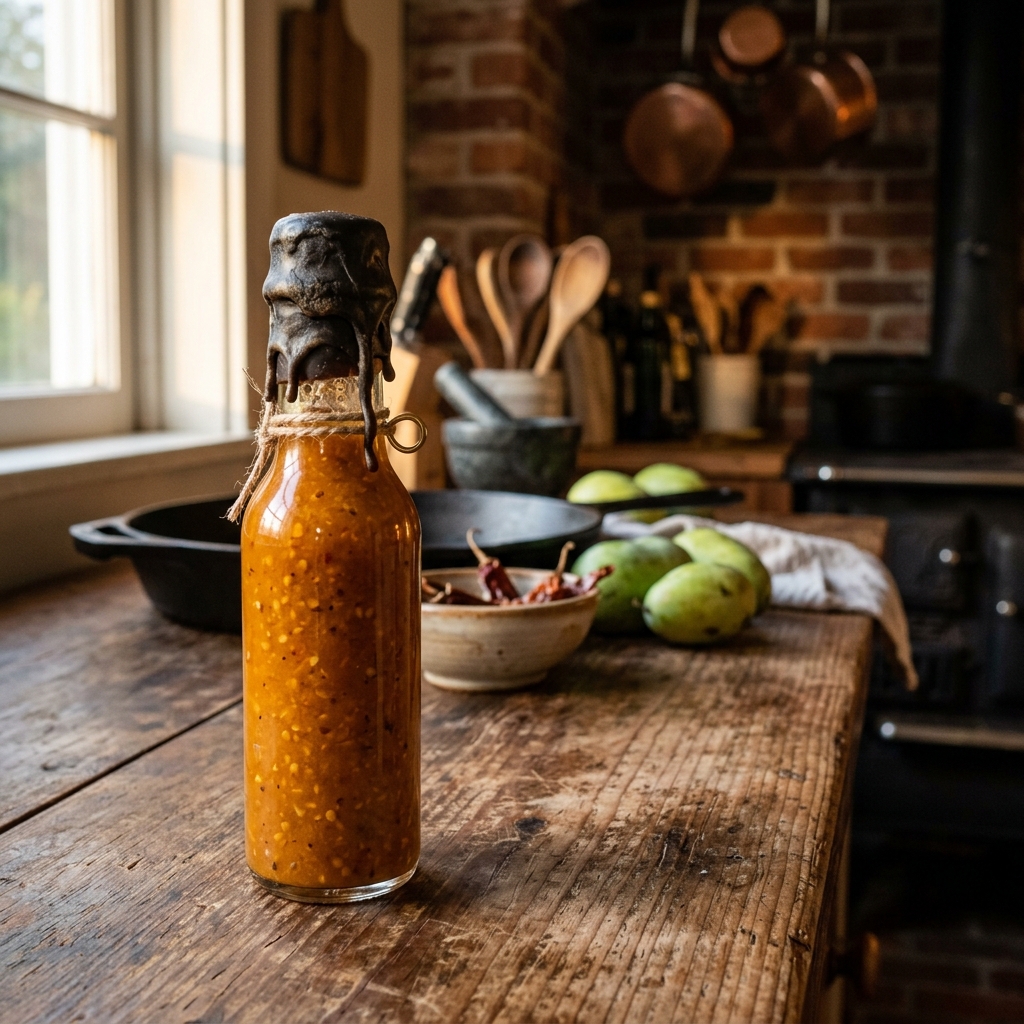
Pawpaw Hot Sauce
Kitchen

Pawpaw Hot Sauce

Sweet heat. Pawpaw pepper blend.

$10
Coming 2027 Reserve
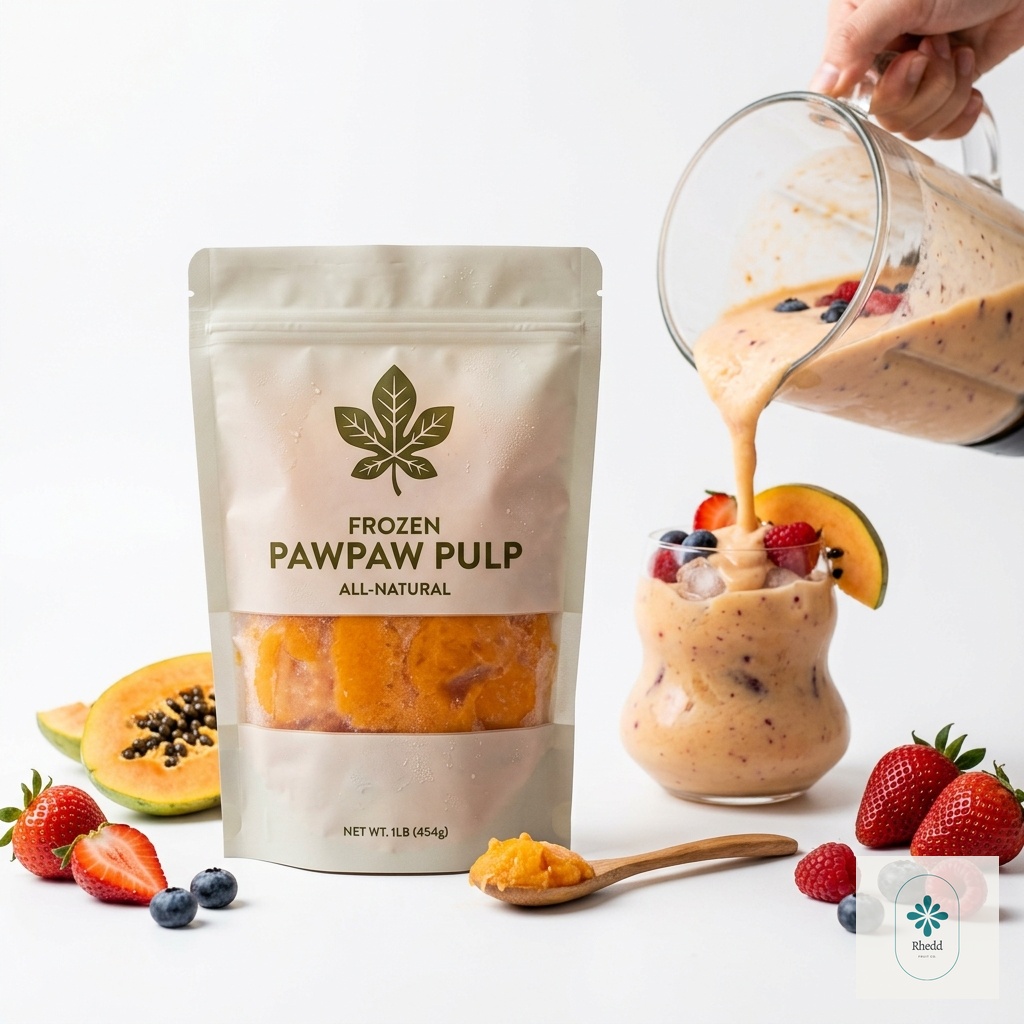
Frozen Pawpaw Pulp (Retail)
Kitchen

Frozen Pawpaw Pulp (Retail)

16oz pouch. Ready for smoothies & baking.

$14
Pre-Order Summer 2026 Reserve
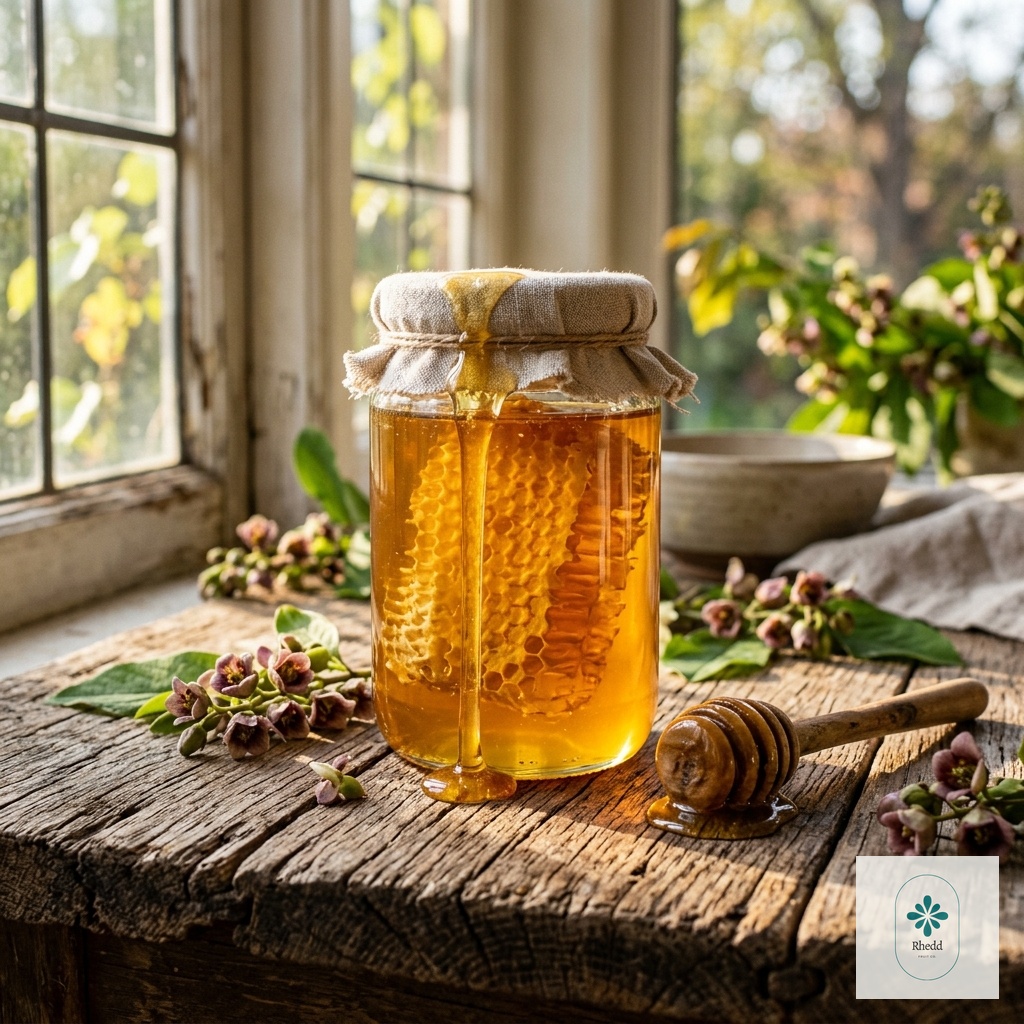
Pawpaw Honey
Kitchen

Pawpaw Honey

Raw honey from our orchard hives.

$16
Coming Fall 2026 Reserve
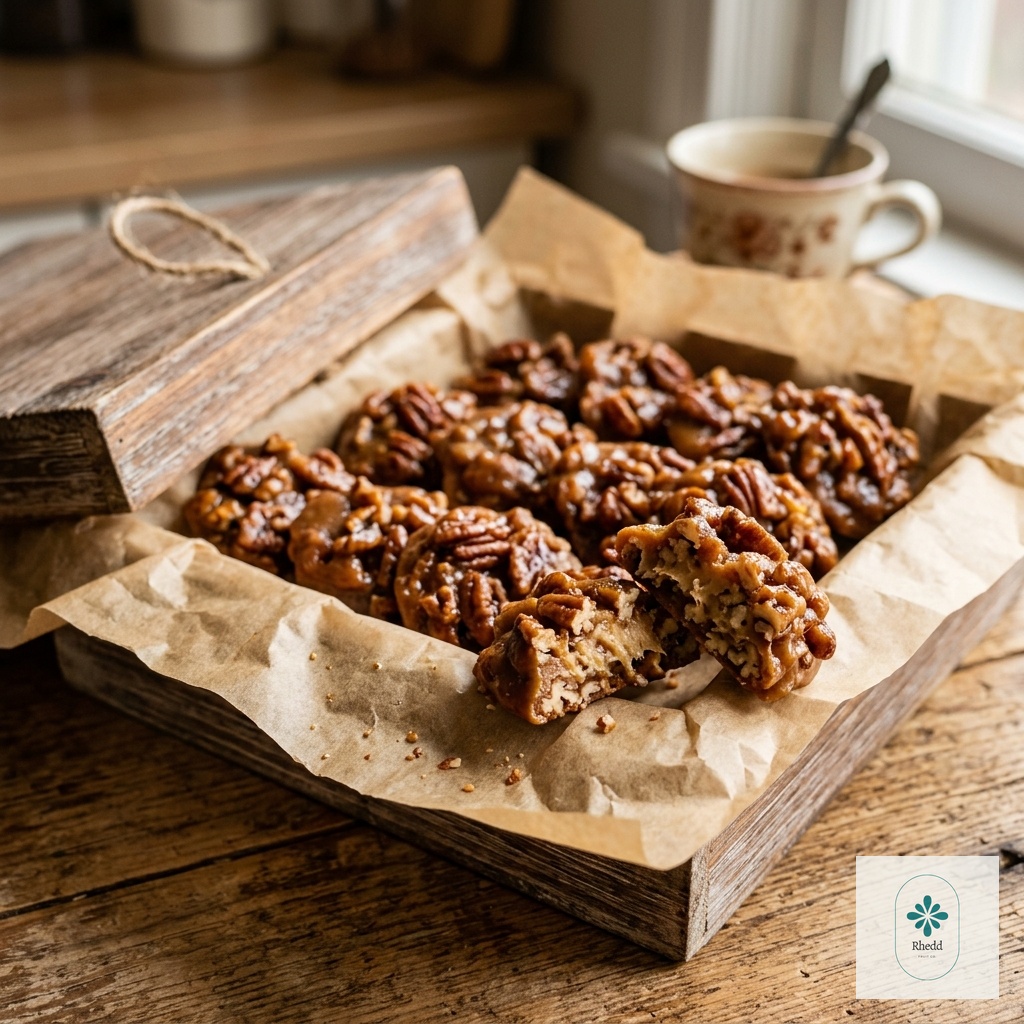
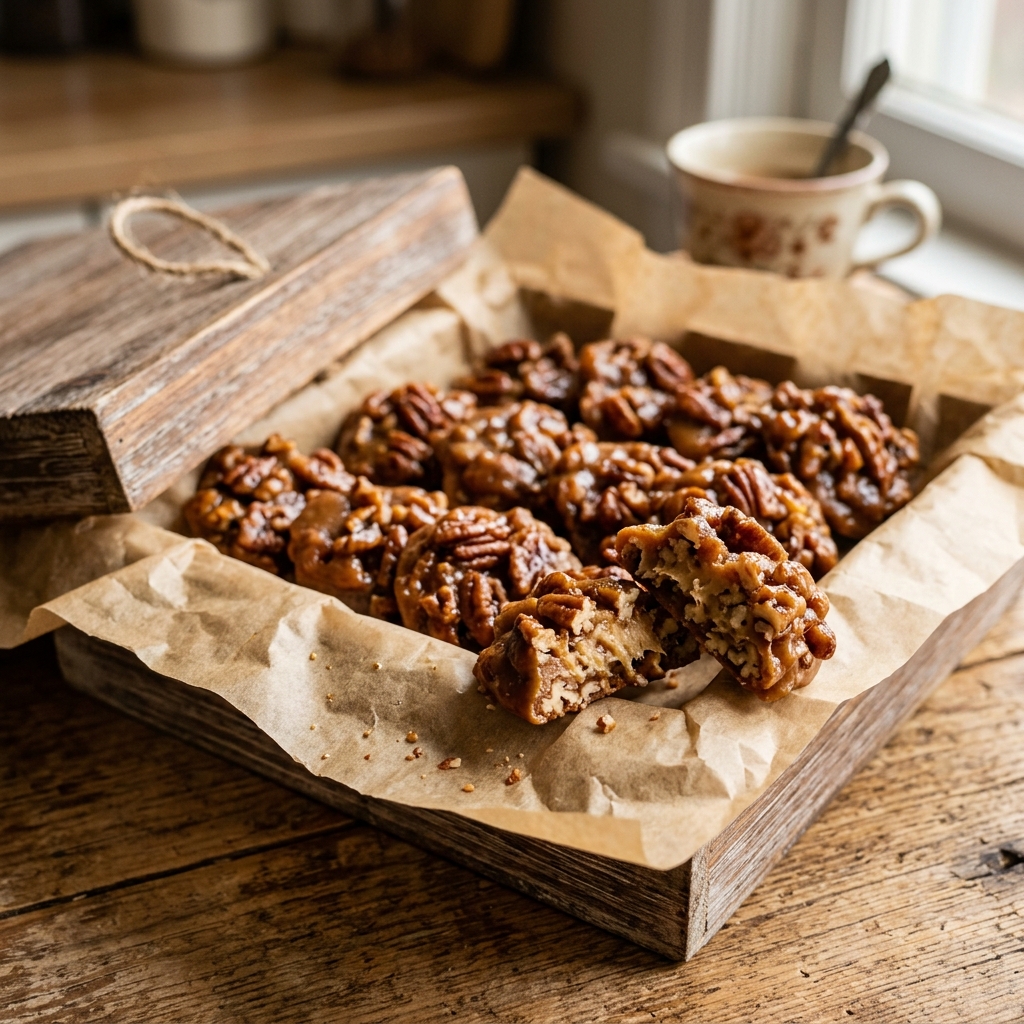
Pawpaw Pralines
Kitchen

Pawpaw Pralines

Louisiana meets Louisiana. Box of 6.
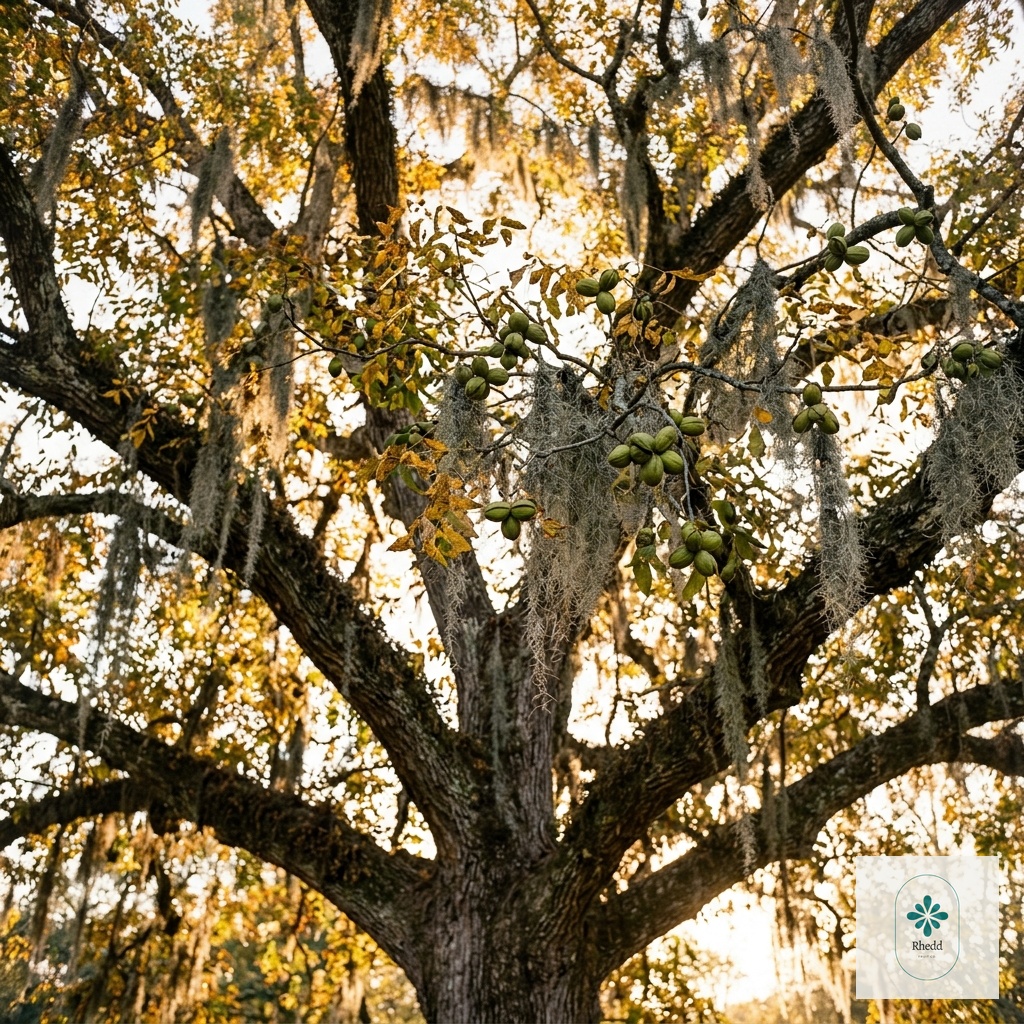
$15
Coming 2027 Reserve
Fig Preserves
Kitchen

Fig Preserves

Celeste fig butter. Small-batch. 8oz jar.

$12
Coming Fall 2027 Reserve
Berry Jam
Kitchen

Mixed Berry Jam

Blueberry, blackberry, muscadine. 8oz jar.

$12
Coming Fall 2027 Reserve
Citrus Marmalade
Kitchen

Satsuma Marmalade

Bright citrus with peel ribbons. 8oz jar.

$12
Coming Spring 2027 Reserve
Hot Sauce Lovers Pack
Kitchen

Hot Sauce Lovers Pack

4 bottles. Mild to insane. Gift-ready crate.

$35
Coming 2027 Reserve
Brewery Collab
Kitchen

Brewery Collabs

Pawpaw ale & cider with LA craft breweries.

Market Price
Partnerships Open Inquire
Founder's Package
Founders

Founder's Package

Seeds, trees, book, merch, name on the wall. Limited to 50.

$149
Limited — 50 Available Reserve
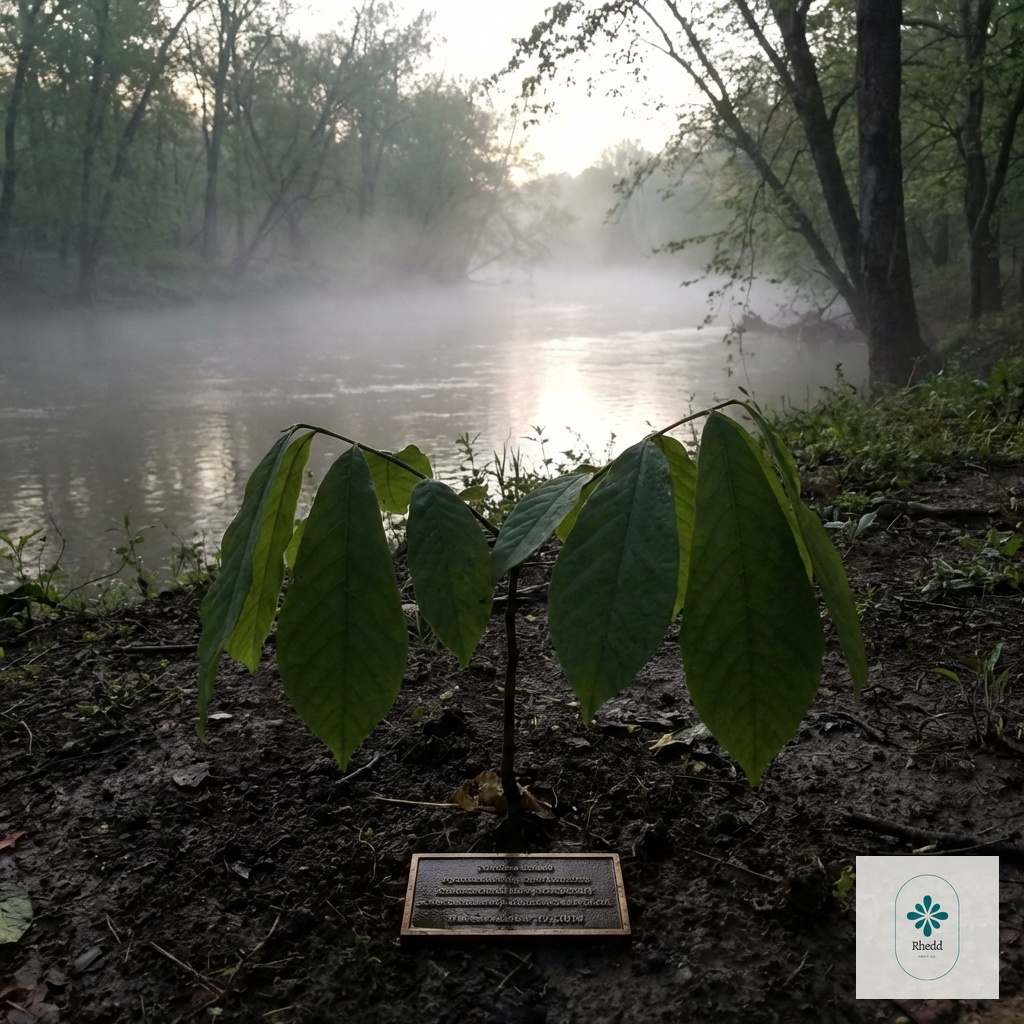
Tree Sponsor
Founders

Tree Sponsor

We plant a named tree in your honor. Plaque included.

$75
Available Now Reserve
Plant a Tree
Support

Plant a Tree

Fund a new pawpaw tree on the Mississippi.

$25
Available Now Reserve
Sponsor a Row
Support

Sponsor a Row

Fund an entire row. Named dedication.

$100
Available Now Reserve
Annual Supporter
Support

Annual Supporter

Newsletter, early access, 10% off everything.

$50/yr
Join Now Reserve

Don't see what you're looking for?

We're expanding every season. If you need a specific variety, cultivar, or quantity — or if you're looking for wholesale/bulk pricing — reach out.

Contact Us — Special Request

Bundles & Subscriptions

Seasonal pawpaw box
Save 15% Gift-Ready

Seasonal Box

$25/month

Pawpaw delivered monthly. Fresh fruit in summer, frozen pulp in winter, preserves year-round. Cancel anytime.

Perfect for: pawpaw lovers, gift subscriptions, repeat customers

Subscribe Now
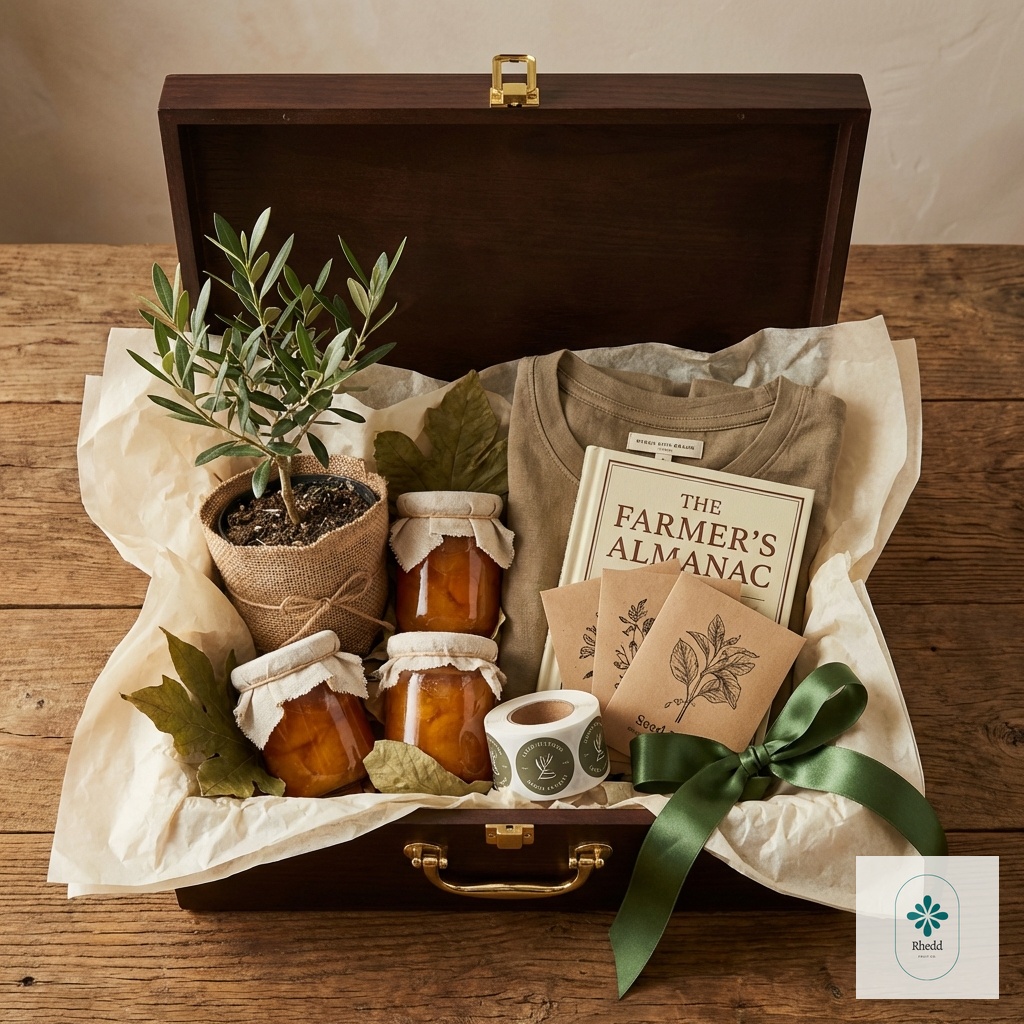
Louisiana Gift Box
Gift-Ready Includes Card

Louisiana Gift Box

$45–$85

Curated gift box: preserves, seeds, hot sauce, and a handwritten note from the farm. Shipped branded with the story of the fruit.

Perfect for: holidays, birthdays, housewarmings

Pre-Order Now
Grower's Bundle — start your own orchard
Save $25 30 bundles

Grower's Bundle

$99

Everything to start your own pawpaw grove: 10 stratified seeds, 2 seedlings, planting guide, and email support from our grower.

Perfect for: homesteaders, permaculture growers, food forest builders

Pre-Order Now

Louisiana Kitchen

Made from the harvest.

Small-batch, handmade. Louisiana food culture meets America's forgotten fruit.

Preserves

Preserves

Pawpaw fruit butter & jam. Small batch.

Coming 2026
Pralines

Pralines

Pawpaw pralines. Louisiana meets Louisiana.
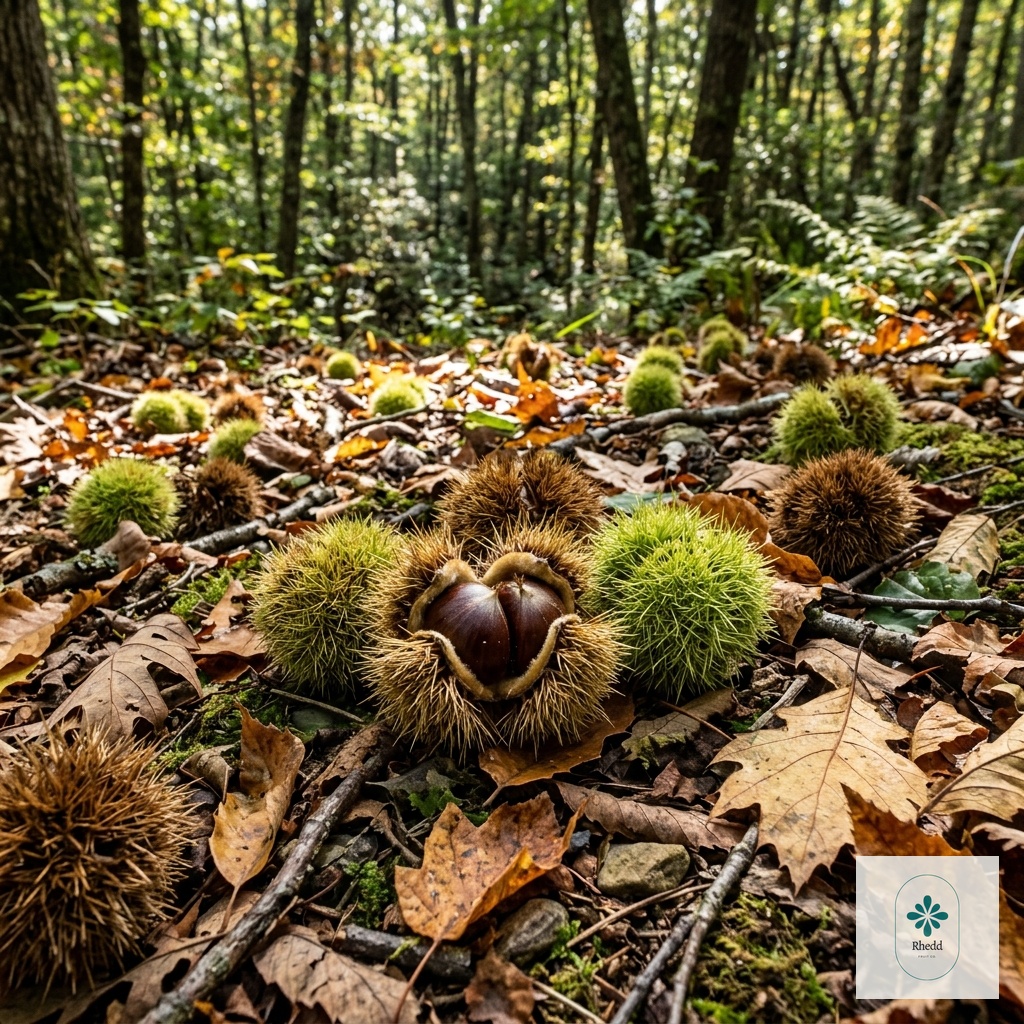
Coming 2026
Hot Sauce

Hot Sauce

Pawpaw pepper sauce. Sweet heat from the river.
Coming 2027
Brewery Collabs

Brewery Collabs

Pawpaw ale & cider with LA craft breweries.

Partnerships Open

On the Land

Come see it yourself.

15 acres on the Mississippi River. A French long lot that's been here since before Louisiana was a state.

Orchard Tours

Orchard Tours

Walk the orchard. See the river. Taste fruit off the tree. Learn why this land grows the best pawpaw in the South.

Summer 2026
Grafting Workshops

Grafting Workshops

Learn to graft pawpaw trees hands-on. Take home your own grafted tree. A skill that lasts a lifetime.

Spring 2027
U-Pick Season

U-Pick Season

Come pick your own pawpaw during harvest. Mississippi River views, fresh fruit, and a cooler to take home.

Summer 2027
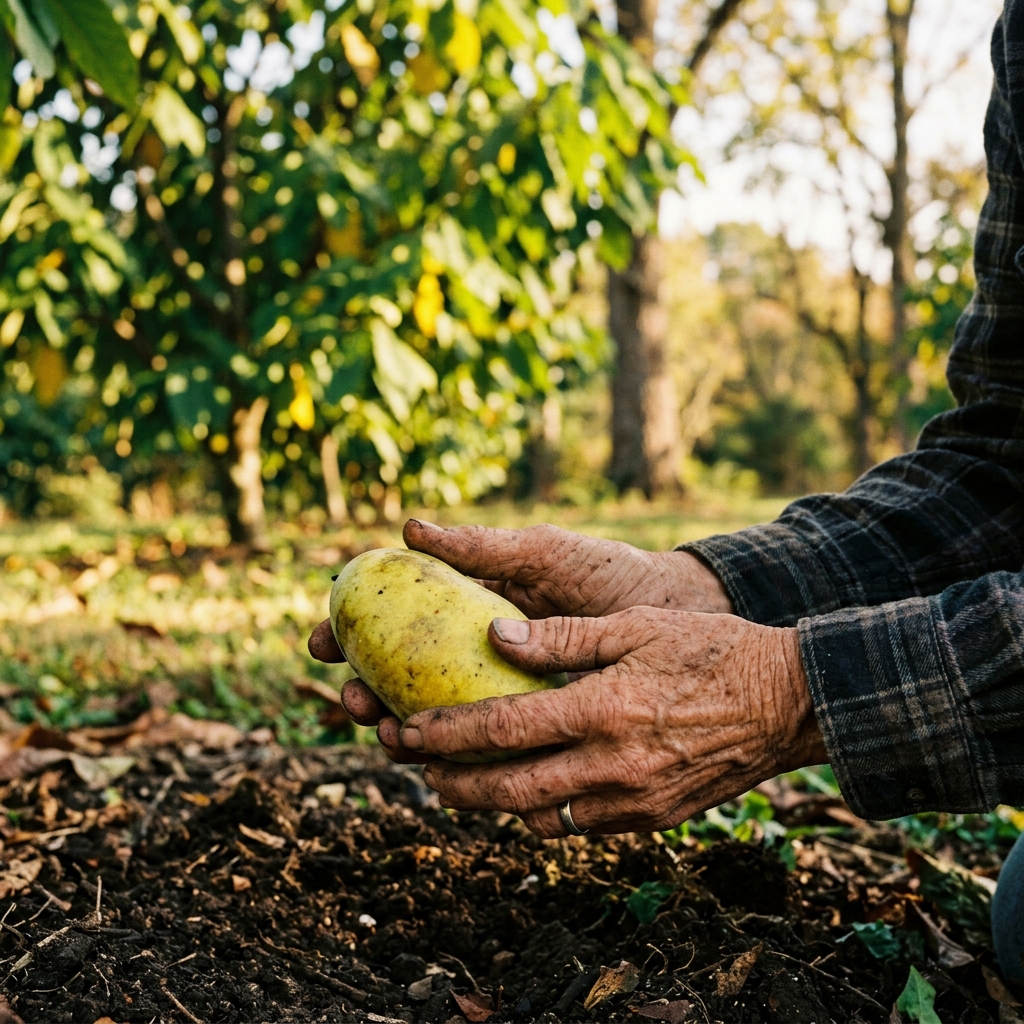
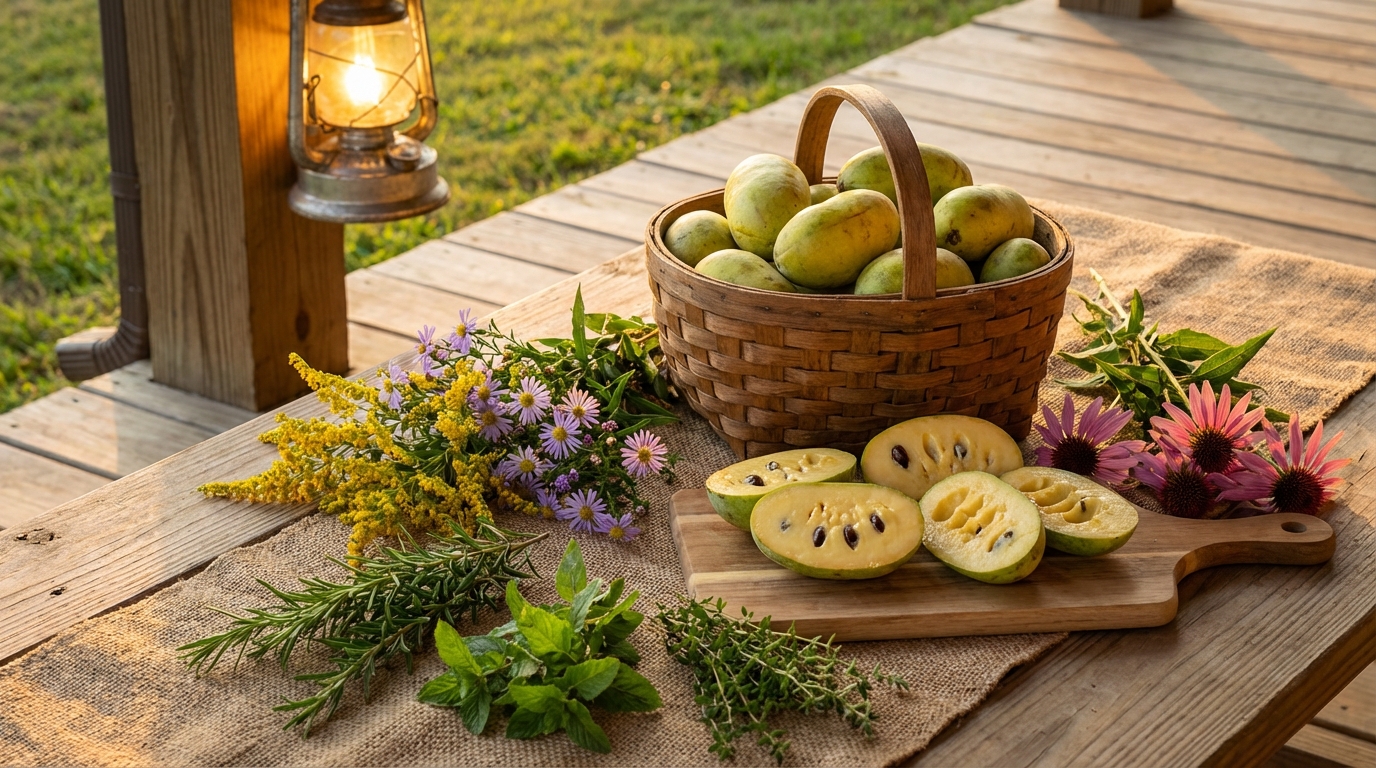
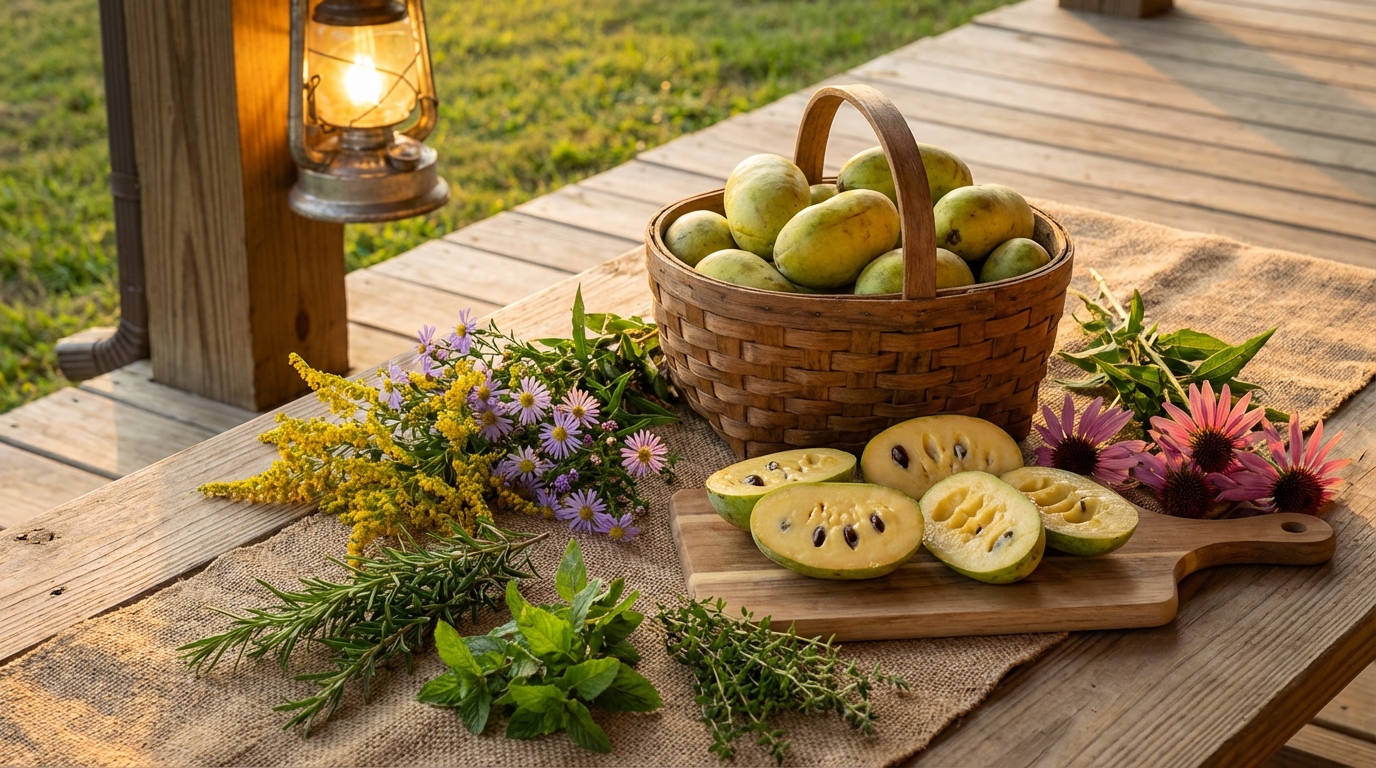
Freshly harvested pawpaw fruit basket at golden hour
Limited to 50

First Harvest Edition

The Founder's
Collection

Be one of the first 50 people to invest in Rhedd Fruit Co. This isn't just a purchase — it's a stake in bringing back America's forgotten fruit. A portion of every Founder's Collection goes directly toward expanding the orchard and planting more trees on the Mississippi. Includes a signed first edition of "10,000 Years of Pawpaw."

  • 20 hand-selected seeds from our best-producing trees
  • 2 one-year-old seedlings (shipped dormant)
  • 1 grafted named variety tree (first available batch)
  • Signed first edition of "10,000 Years of Pawpaw"
  • Founding supporter plaque on the orchard wall
  • 10% of your purchase plants new trees on the river
  • Priority access to every future harvest, for life
$149 $215 value
Reservations open 50 of 50 remaining
Reserve Your Founder's Spot

Pre-sale — only 50 available. Ships in stages as each product is ready (Summer–Winter 2026).

"The pawpaw is the best native fruit this country has to offer, and almost nobody knows it exists."

— Kentucky State University Pawpaw Research Program

Stay Connected

Get first pick.

Our seeds sell out. Join the list and you'll be the first to know when the fall harvest is ready to ship.

No spam. Just pawpaw season.

Partnerships

Work with us.

We supply fresh pawpaw fruit and frozen pulp to breweries, restaurants, ice cream makers, and specialty food producers across Louisiana and beyond.

  • Breweries & Cideries — Seasonal pawpaw fruit for ales, sours, and ciders
  • Restaurants & Chefs — Fresh fruit and pulp for desserts, sauces, and specials
  • Ice Cream & Specialty Food — Frozen pulp in bulk, year-round availability
  • Farmers Markets & Co-ops — Wholesale seedlings, trees, and fresh fruit

Let's talk.

Or email us directly at brian@brian-rhed.com